The Jakarta Post
Please Update your browser
Your browser is out of date, and may not be compatible with our website. A list of the most popular web browsers can be found below.
Just click on the icons to get to the download page.


Popular Reads
Top Results
No results found. Please check your search term and try again
Can't find what you're looking for?
View all search results
Popular Reads
Top Results
No results found. Please check your search term and try again
Can't find what you're looking for?
View all search resultsWeather agency warns El Niño in Indonesia to last through early 2027
More than 5,000 hotspots were detected as of July 29, a sharp increase compared to previous El Niño years in 2015, 2019 and 2023, BMKG official Ardhasena Sopaheluwakan said in an online briefing. The provinces of West Kalimantan, South Papua and Riau recorded the most hotspots.
Change text size
Gift Premium Articles
to Anyone
Share the best of The Jakarta Post with friends, family, or colleagues. As a subscriber, you can gift 3 to 5 articles each month that anyone can read—no subscription needed!
 Set as preferred source
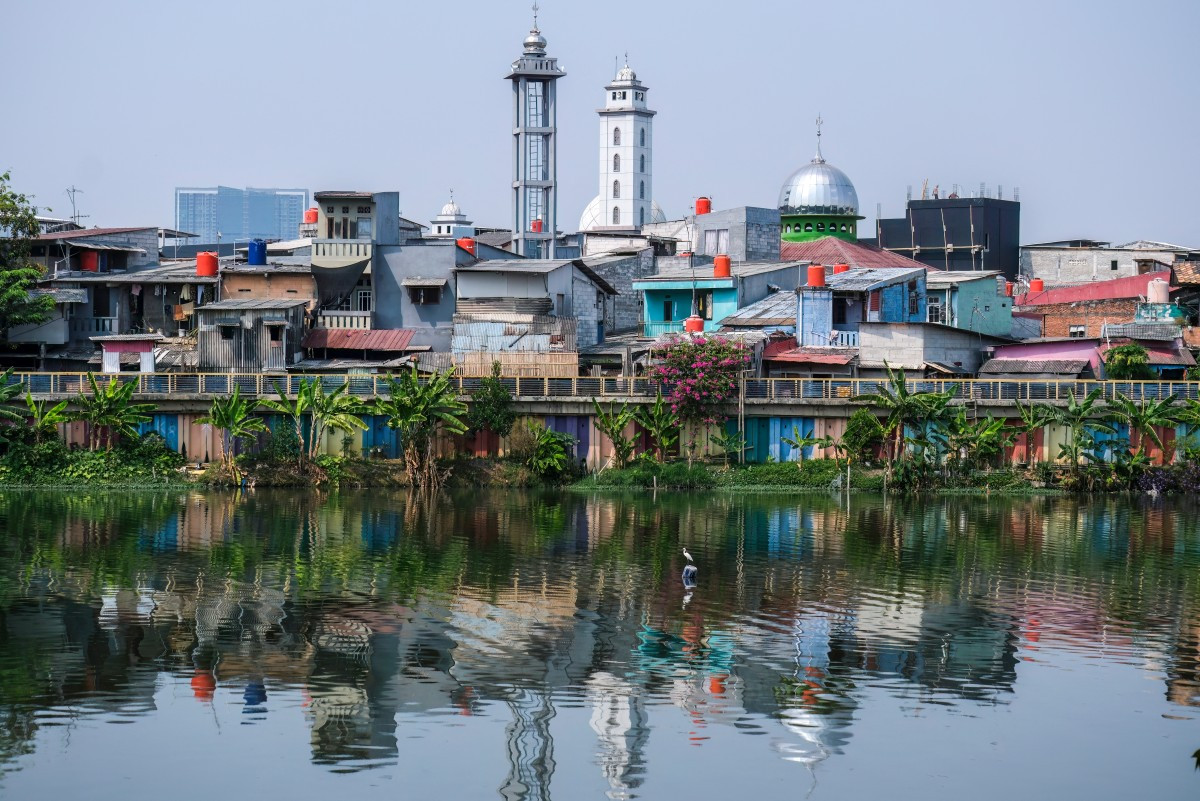 A stork perches on a plastic bucket stranded on the lakebed as water levels drop in Jakarta on July 29, 2026, due to the impact of El Nino, which has brought a prolonged dry season and triggered extreme drought, threatening food security in various regions of Indonesia. (AFP/Bay Ismoyo)
I
ndonesia recorded a sharp increase in potential fire zones in July as El Niño conditions intensified across the country, the head of the Meteorology, Climatology and Geophysics Agency (BMKG) agency said on Thursday, adding that the weather system was expected to last into early 2027.
More than 5,000 hotspots were detected as of July 29, a sharp increase compared to previous El Niño years in 2015, 2019 and 2023, BMKG official Ardhasena Sopaheluwakan said in an online briefing. The provinces of West Kalimantan, South Papua and Riau recorded the most hotspots.
As of mid-July 2026, 54.5 percent of Indonesia's seasonal zones had entered the dry season, which is expected to peak in August, unchanged from a previous forecast, BMKG head Teuku Faisal Fathani told the same briefing.
The risk of forest and land fires is expected to peak from August to September, particularly on the islands of Sumatra and Kalimantan, before gradually easing from October to November when higher rainfall is expected to return to some areas.
"The critical period for forest and land fires is expected from July through September 2026, making intensified monitoring and surveillance in high-risk areas crucial to prevent hot spots from spreading and causing wider environmental damage," Sopaheluwakan said.
Dry spells have been recorded across much of the country, with the longest stretch without rain reaching 80 days in Purworejo regency in Central Java.

There were 1,366 locations with dry spells lasting 21-30 days, 943 locations with 31-60 rainless days, and 70 locations where dry conditions persisted for more than 60 days.
The agency said hotspot activities have increased in West Kalimantan, heightening the risk of forest and land fires and driving dense haze concentrations.
The agency has conducted weather modification operations in several areas to reduce the risk of fires and limit their impact.
BMKG had previously warned farmers to adjust their farming activities to mitigate risks stemming from the extreme dry weather expected this year.
In its latest update, the US Climate Prediction Center (CPC) said there is an 81 percent chance of a "very strong" El Nino between October and December that would rank among the largest such events in the historic record going back to 1950.
"Very strong" is defined as being 2.0 degrees Celsius (3.6 degrees Fahrenheit) or more above an index value. The CPC also put the odds at 97 percent that the event will persist through early spring 2027.