The Jakarta Post
Please Update your browser
Your browser is out of date, and may not be compatible with our website. A list of the most popular web browsers can be found below.
Just click on the icons to get to the download page.


Popular Reads
Top Results
No results found. Please check your search term and try again
Can't find what you're looking for?
View all search results
Popular Reads
Top Results
No results found. Please check your search term and try again
Can't find what you're looking for?
View all search resultsRespiratory problems climb past 170,000 cases in Indonesia
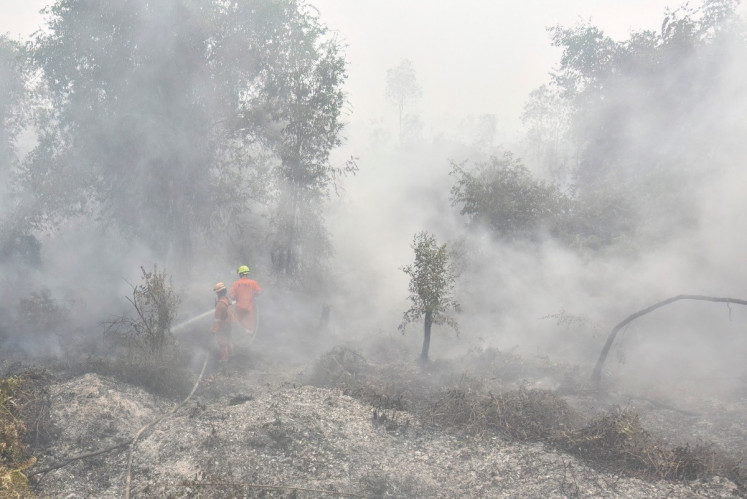
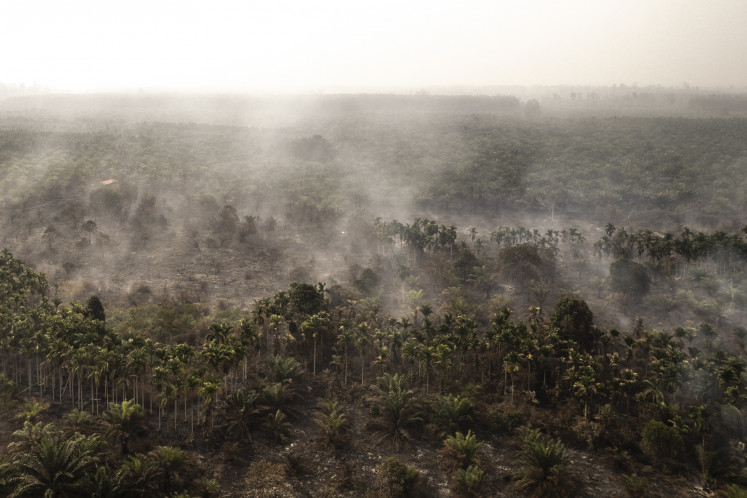
Blazes in Kalimantan, Sumatra and Papua have blanketed parts of the country, as well as neighbouring Malaysia and Singapore, sending air quality indices plummeting.
Change text size
Gift Premium Articles
to Anyone
Share the best of The Jakarta Post with friends, family, or colleagues. As a subscriber, you can gift 3 to 5 articles each month that anyone can read—no subscription needed!
 Set as preferred source
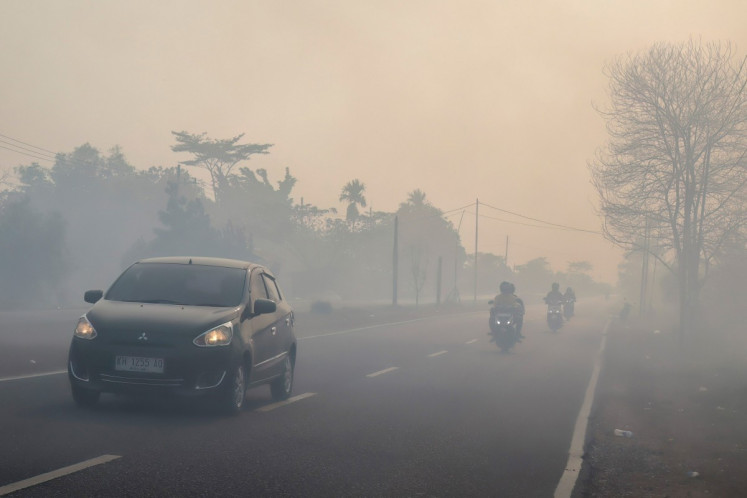
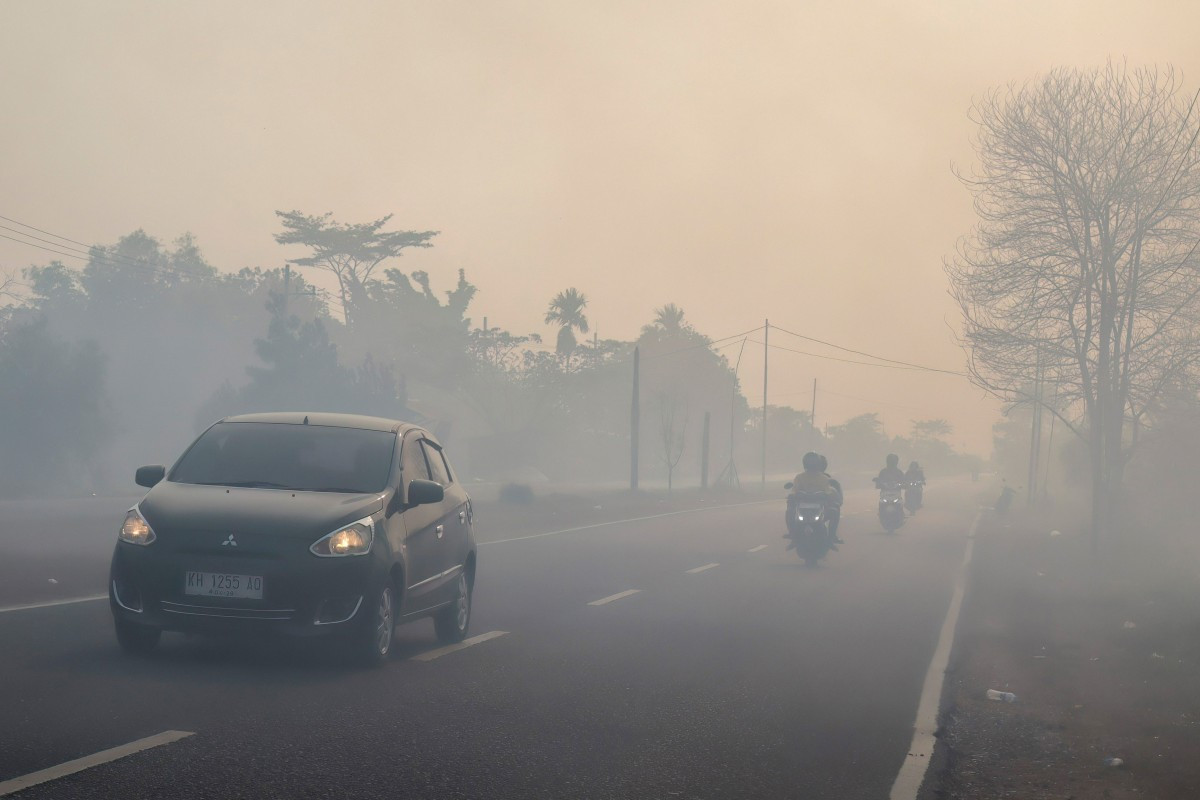 Motorists drive with headlights on a haze-shrouded road in Palangkaraya city, Central Kalimantan on August 20, 2026, as smoke originating from widespread forest and land fires has significantly reduced visibility and degraded air quality across the province. Indonesia's government says over 100,000 hectares burned in the first half of the year. (AFP/Reina)
M
ore than 170,000 respiratory cases were recorded in regions affected by haze in Indonesia, a health ministry official said Tuesday, as the country battles for weeks to control fires that caused the toxic smog.
Blazes in Kalimantan, Sumatra and Papua have blanketed parts of the country, as well as neighbouring Malaysia and Singapore, sending air quality indices plummeting.
The toxic smog contains pollutants including PM 2.5, a fine particulate matter smaller than a human hair that could carry health risk such as respiratory infections, health ministry official Then Suyanti told a news conference.
"There were 174,694 cases of acute respiratory infections between August and September 21 in areas affected by forest and land fires," she said.
More than 40,000 of the recorded respiratory cases affected toddlers, she said.
The overall figure, reported in seven haze-affected provinces across Indonesia, was up from over 113,000 cases reported as of September 9.

The number of people suffering from wildfire-related respiratory illnesses rose to 113,336 as of September 9, up from 50,891 on September 1, according to figures presented by health ministry.
More than 12.5 million people have been exposed to haze caused by fires across seven provinces, the ministry said in early September.
The health ministry had mobilised aid including oxygen concentrators, face masks and oxygen canisters to the affected regions, Then said.
"We advise (the public) to reduce outdoor activities when air quality worsen, use mask and maintain hydration," she said.
Indonesia regularly battles wildfires during the dry season, which typically runs from July to October.
But the blazes are more intense this year, coinciding with what is expected to be the strongest El Nino climate phenomenon since comparable records began four decades ago.
Experts also blame climate change, decades of forest degradation and slash-and-burn land-clearing practises that have changed the naturally fire-resistant landscape.