The Jakarta Post
Please Update your browser
Your browser is out of date, and may not be compatible with our website. A list of the most popular web browsers can be found below.
Just click on the icons to get to the download page.


Popular Reads
Top Results
No results found. Please check your search term and try again
Can't find what you're looking for?
View all search results
Popular Reads
Top Results
No results found. Please check your search term and try again
Can't find what you're looking for?
View all search resultsCriticism mounts over plan to turn Red and White Cooperatives clinics into BPJS providers
Critics argued that utilizing the cooperatives' clinics as BPJS Kesehatan's primary facilities would require a large fiscal expenditure and divert funds from more pressing healthcare needs.
Change text size
Gift Premium Articles
to Anyone
Share the best of The Jakarta Post with friends, family, or colleagues. As a subscriber, you can gift 3 to 5 articles each month that anyone can read—no subscription needed!
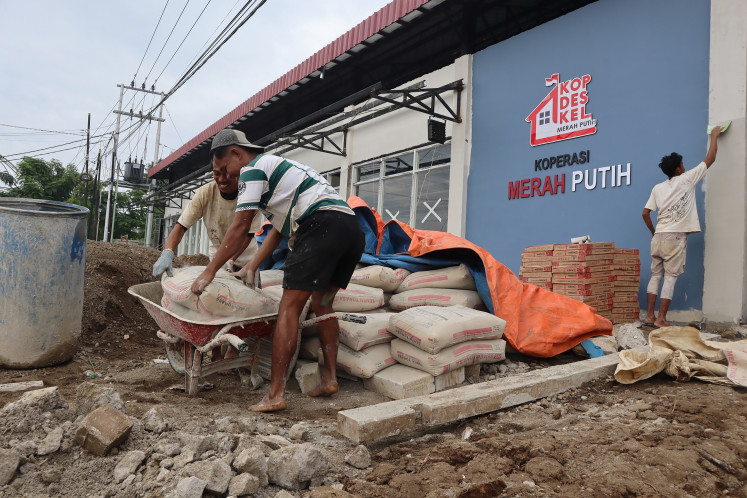
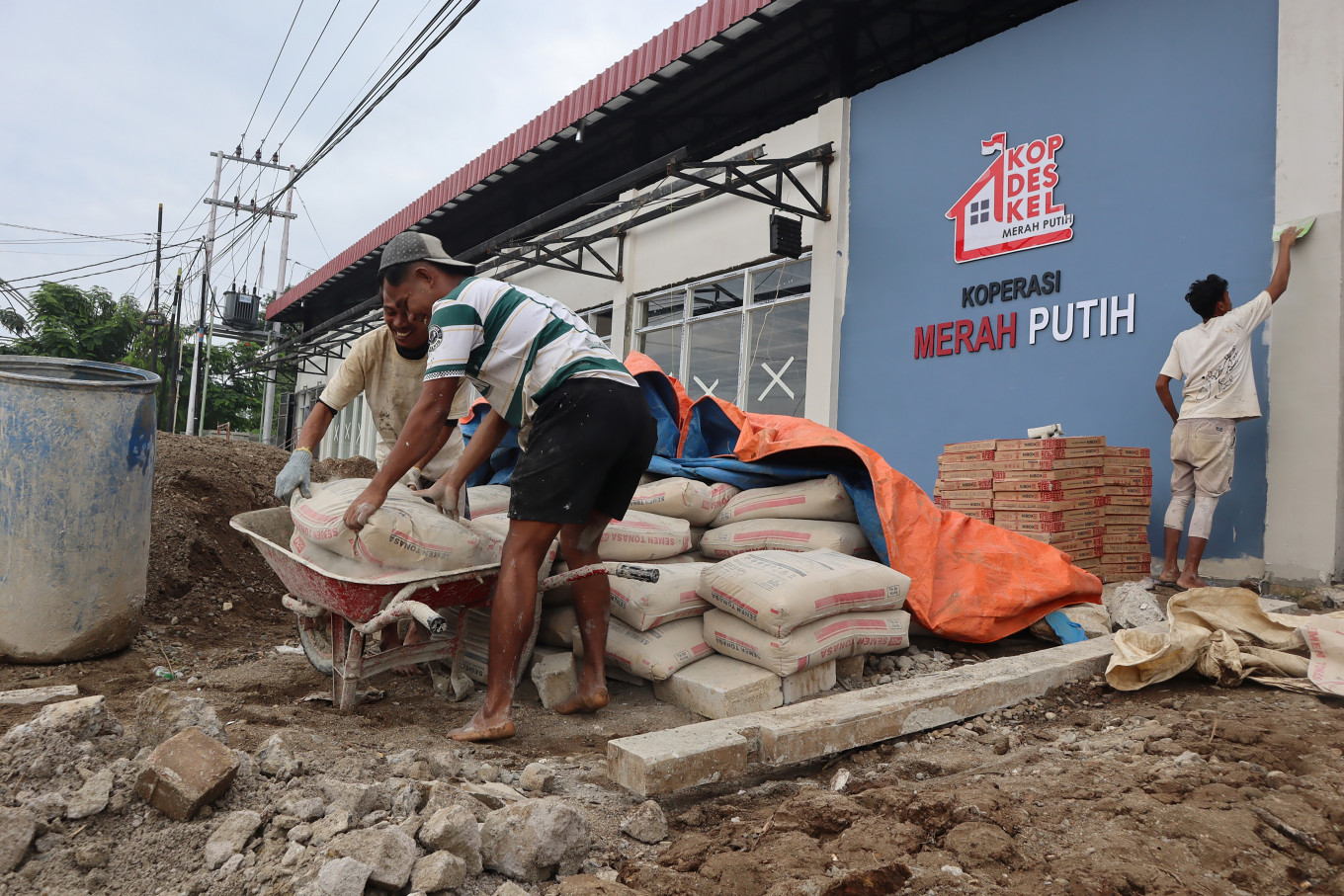 Tough going: Workers construct a Red and White Cooperatives (KDMP) outlet on Jan. 27 in Wae Kelambu, West Manggarai regency, East Nusa Tenggara (NTT). Several villages say they are struggling to establish the new cooperatives, citing limited land and insufficient funding as major obstacles. (Antara/Geicio Viana)
C
riticism is mounting over the government’s plan to allow Red and White Cooperative clinics to offer services provided by the national health insurer, with experts arguing that the move strays from the program’s initial pledge to boost the local economy and could undermine the existing healthcare system.
Over the past week, the government has been discussing plans to utilize existing clinics and pharmacies within President Prabowo Subianto’s flagship cooperatives as the Health Care and Social Security Agency's (BPJS Kesehatan) primary facilities, which provide basic medical services and the first point of care for the insurance’s members.
Health Minister Budi Gunadi Sadikin noted that the cooperatives’ clinics will have a similar business model to private ones, where patients can access services under the National Health Insurance (JKN) managed by BPJS Kesehatan.
While thousands of cooperatives have begun operating across the country since its introduction in 2025, clinics and pharmacies have remained limited to selected locations, including Metuk in Boyolali regency, Central Java, and Tamanmartani in Sleman regency, Yogyakarta.
Critics have since slammed the new initiative, describing it as another attempt to divert the program’s failure in delivering its supposed tangible economic benefits for grassroots communities toward yet another set of “unclear promises.”
“Planning to diversify its businesses into health clinics while at the same time failing to deliver its initial goals clearly shows how problematic the cooperatives program is,” Center of Economic and Law Studies (Celios) executive director Bhima Yudhistira told The Jakarta Post on Monday.

Initially touted as a tool to strengthen the local economy through access to basic goods, agricultural supplies and small loans, the cooperatives program has garnered criticism from civil groups over its rushed implementation and the project’s lack of cooperative principles.