The Jakarta Post
Please Update your browser
Your browser is out of date, and may not be compatible with our website. A list of the most popular web browsers can be found below.
Just click on the icons to get to the download page.


Popular Reads
Top Results
No results found. Please check your search term and try again
Can't find what you're looking for?
View all search results
Popular Reads
Top Results
No results found. Please check your search term and try again
Can't find what you're looking for?
View all search resultsWhen faith meets heat: Rethinking haj and climate risk
Sound haj governance should no longer be measured solely by how many pilgrims can be dispatched abroad each year, but also by how responsibly societies adapt to worsening environmental conditions.
Change text size
Gift Premium Articles
to Anyone
Share the best of The Jakarta Post with friends, family, or colleagues. As a subscriber, you can gift 3 to 5 articles each month that anyone can read—no subscription needed!
 Set as preferred source
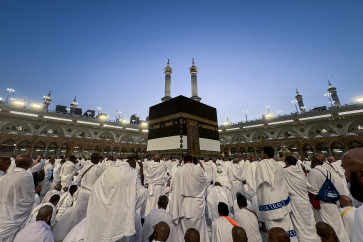
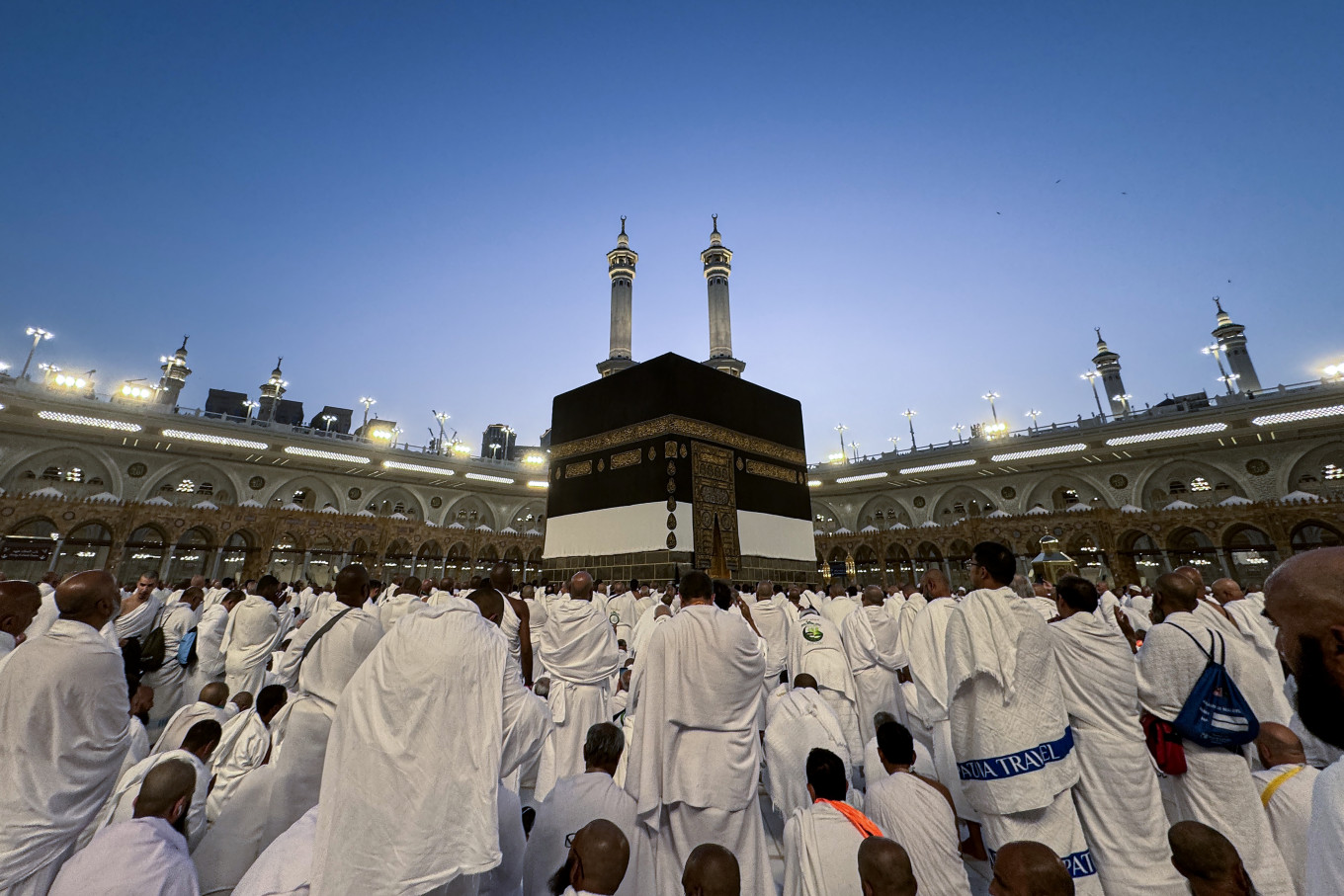 Quiet devotion: Muslim pilgrims from various countries prepare to perform evening prayers on May 13 at the Masjid al-Haram in Mecca, Saudi Arabia. Indonesia’s Haj and Umrah Ministry said that ahead of the peak of the haj, the movement of pilgrims to Mecca continued in stages. (Antara/Citro Atmoko)
A
s Muslims around the world observed Eid al-Adha last week, climate change is making the risks of extreme heat during the haj harder to ignore. Every year, millions of Muslims gather in the holy cities of Mecca and Medina to perform one of Islam’s most sacred obligations. Increasingly, this act of faith is also a test of public health, governance and protection.
Scenes of pilgrims struggling under extreme heat are familiar from previous years. Temperatures during recent pilgrimages regularly surpassed 45 degrees Celsius, turning roads between Arafah and Mina into corridors of dangerous heat exposure. Elderly worshippers collapse from exhaustion, while emergency units race to treat dehydration, respiratory distress and cardiac complications.
What was once understood mainly as a test of spiritual endurance is now a serious public health challenge in a warming world. During the 2024 haj season alone, approximately 1,300 fatalities were reported amid extreme humid heat, including 213 Indonesians and 35 Pakistanis.
New research presented at the 2026 European Geosciences Union (EGU) General Assembly offer a stark warning. In presentation “When Faith Meets Heat: Climate Change Risks During the Haj Pilgrimage,” researchers used sub-daily temperature and humidity data from the 2024 pilgrimage to assess human physiological limits. They found that survivability thresholds were exceeded during several hours on each day of the pilgrimage, even for healthy adults under 40.
On June 17, 2024, the combined effects of heat and humidity created approximately four consecutive hours during which the human body could no longer maintain safe core temperatures through sweating alone. Under such conditions, prolonged outdoor exposure without shade or cooling became potentially life-threatening even for young and healthy pilgrims.
The sacred geography of the haj remains unchanged. But the climate around it is changing rapidly.

The haj is an intensive five-day event involving prolonged physical exertion outdoors. Its main rituals range from tawaf (circling the Kaaba) multiple times, sa’i (walking between the hills of Safa and Marwa), performing wuquf (standing in prayer) at Mount Arafah, undertaking mabit (overnight stays) in Mina and Muzdalifah and performing ramy al-jamarat (the stoning of the pillars).