The Jakarta Post
Please Update your browser
Your browser is out of date, and may not be compatible with our website. A list of the most popular web browsers can be found below.
Just click on the icons to get to the download page.


Popular Reads
Top Results
No results found. Please check your search term and try again
Can't find what you're looking for?
View all search results
Popular Reads
Top Results
No results found. Please check your search term and try again
Can't find what you're looking for?
View all search resultsThe 5Es of economic growth and its impact on exchange rates
As geopolitical crises bring the global economy to its knees, tinkering with interest rates won't save failing currencies—only a structural overhaul of a nation’s foundational "5Es," starting with energy self-sufficiency, can weather the storm.
Change text size
Gift Premium Articles
to Anyone
Share the best of The Jakarta Post with friends, family, or colleagues. As a subscriber, you can gift 3 to 5 articles each month that anyone can read—no subscription needed!
 Set as preferred source
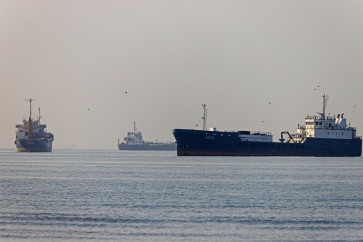
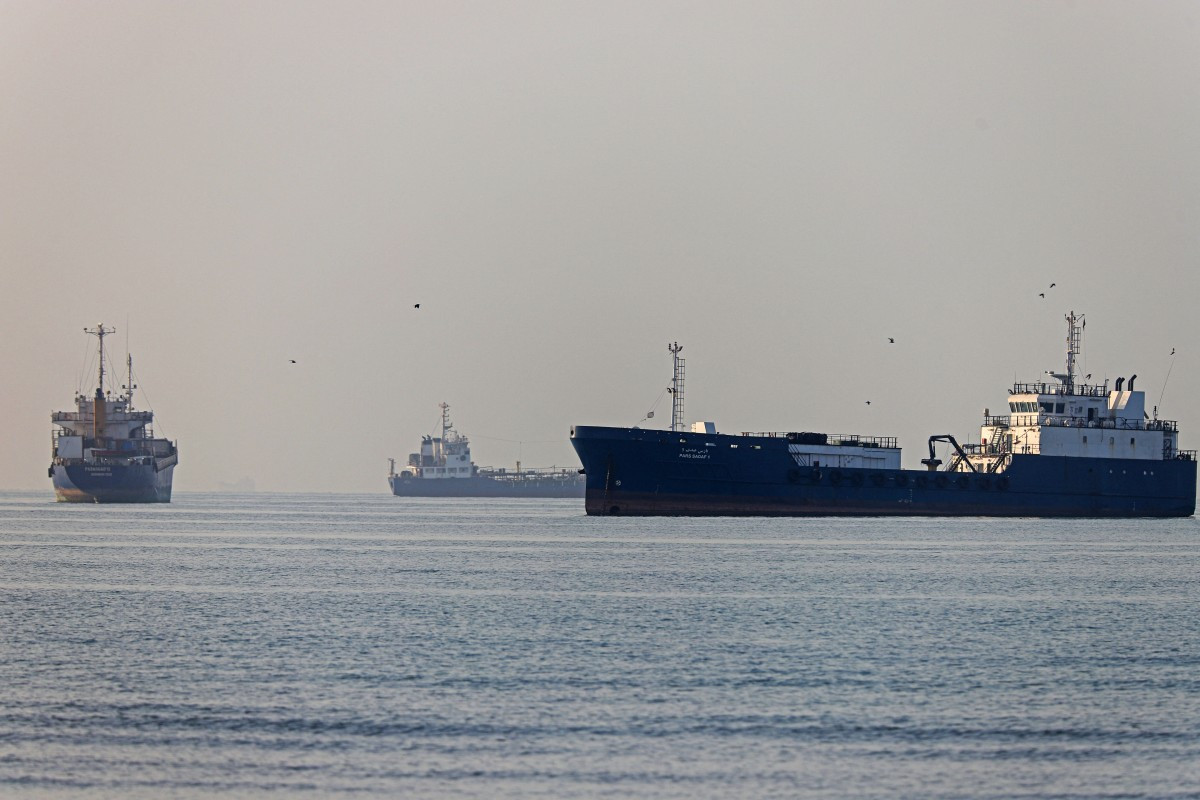 In this picture obtained from Iran's ISNA news agency on June 1, vessels sail past Suru Beach in Bandar Abbas along the Strait of Hormuz. (AFP/ISNA/Amirhossein Khorgooei)
T
he escalating crisis in West Asia—following the ruinous Russia-Ukraine war and Israel’s war against its neighbors — has virtually brought the global economy to its knees. Despite intense geopolitical battering, Iran has continued to blockade the Strait of Hormuz.
Because this vital channel handles 25 percent of seaborne oil trade, 20 percent of liquefied natural gas and 8 percent of non-energy goods, the blockade has created severe supply route bottlenecks. With the United States launching counter-blockades, the cycle of threats and warnings continues.
Even if a proposed peace plan takes effect soon—a massive "if" given the lack of common ground between warring parties—it will take many months for economic conditions to normalize. The most visible devastation of this turmoil can be seen in currency markets. Asian currencies have been hit exceptionally hard: the Indian Rupee has depreciated by 8 percent, the Indonesian Rupiah by 7 percent, the Philippine Peso by 5 percent and the Korean Won by 4 percent.
Central bank interventions have failed to halt these sharp declines, and burning through precious foreign exchange (forex) reserves to artificially prop up currencies is an unsustainable strategy.
In the immediate term, countries like Indonesia must fiercely protect their scarce forex reserves. Inward remittances from four primary sources—foreign direct investment, stock market inflows, export proceeds and overseas worker repatriations—are already under immense pressure and will remain so for the next 12 to 15 months.
Too often, policymakers and central banks schooled in outdated mid-20th-century economic theories preoccupy themselves with tinkering with money supply and interest rates. In doing so, they merely treat the symptoms of economic sickness while ignoring the underlying disease. Left unaddressed, this structural rot leaves a nation's foundations too brittle to withstand external shocks.

Instead of putting the cart before the horse, this article outlines the "5Es" of economic growth: Energy, Exports, E-Commerce, Equity Markets and Employment. If these five economic horses are sturdy, they will naturally keep exchange rates strong and stable. If they are weak, a steadily depreciating currency will compound national debt servicing costs, elevate import bills, erode household savings and crush middle-class aspirations like overseas education, healthcare and travel.