TheJakartaPost
Please Update your browser
Your browser is out of date, and may not be compatible with our website. A list of the most popular web browsers can be found below.
Just click on the icons to get to the download page.


Popular Reads
Top Results
No results found. Please check your search term and try again
Can't find what you're looking for?
View all search results
Popular Reads
Top Results
No results found. Please check your search term and try again
Can't find what you're looking for?
View all search resultsAnalysis: Legal protection for special bonds risks regulatory loophole
Change text size
Gift Premium Articles
to Anyone
Share the best of The Jakarta Post with friends, family, or colleagues. As a subscriber, you can gift 3 to 5 articles each month that anyone can read—no subscription needed!
 Set as preferred source
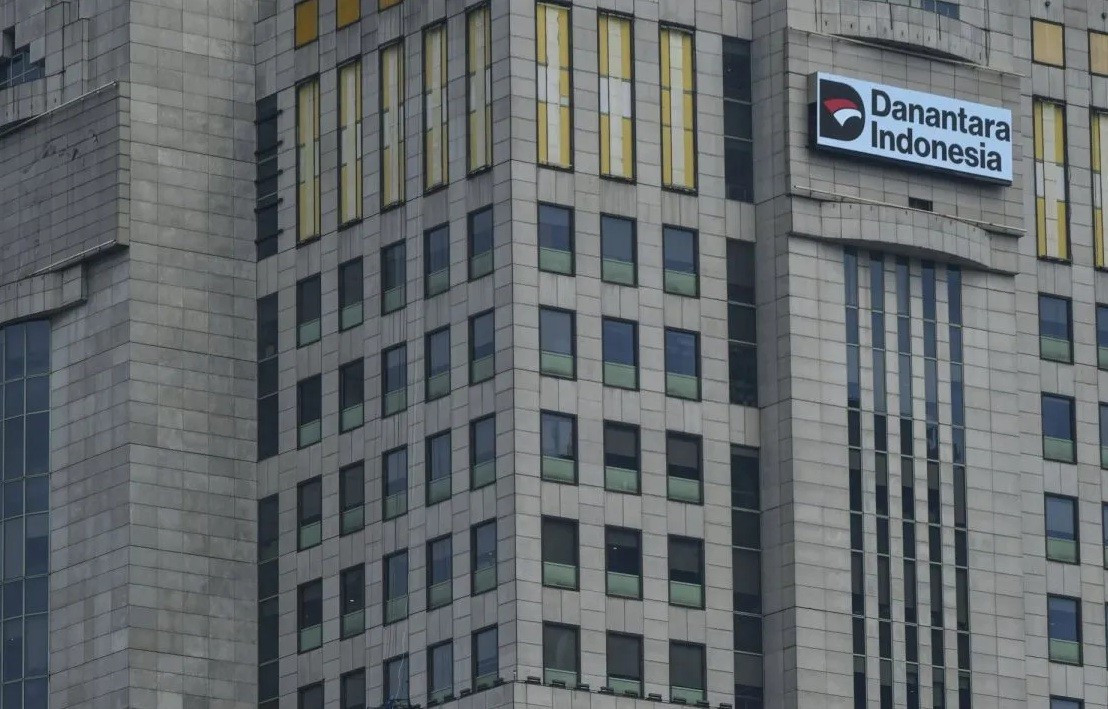 Wisma Danantara Indonesia stands out on Jl. Jenderal Sudirman, Central Jakarta, on July 8, 2025. (Antara/Hafidz Mubarak A)
T
he passage of Law No. 4/2026 has sparked controversy over its expansion of Bank Indonesia's mandate and its introduction of special bonds such as Patriot Bonds and Red and White Bonds, among 17 amendments to Law No. 4/2023 on Financial Sector Development and Strengthening (P2SK). While both provisions have attracted public scrutiny, particular concern has centered on the legal protections granted to funds used to purchase these special bonds. Critics argue that these protections create a regulatory loophole that could be exploited for illicit purposes.
Article 50A of Law No. 4/2026 authorizes the state asset fund Daya Anagata Nusantara (Danantara) to issue special bonds, including Patriot Bonds and Red and White Bonds. The provision at the center of the debate grants state protection to purchasers of these bonds from criminal prosecution, taxation claims, and civil lawsuits. It also stipulates that data and information related to purchases of these bonds cannot be used as a basis for tax assessments or as evidence in court proceedings.
The privileges apply only to investors who purchase the bonds in the primary market. The bonds may subsequently be transferred to other parties or pledged as collateral for loans. Notably, eligible investors include participants in Indonesia's two previous tax amnesty programs.
Those tax amnesty programs were criticized for creating moral hazard, as taxpayers could have been encouraged to disclose only part of their assets in anticipation of future leniency. Critics argue that access to special bonds with legal protections may reinforce those incentives by providing a mechanism that could shield previously undisclosed assets from scrutiny.
Patriot Bonds themselves have attracted controversy since their introduction. Despite offering coupon rates significantly below prevailing market yields, the bonds reportedly received strong investor interest. Public scrutiny intensified after reports emerged that the bonds were marketed through private placements and that several Indonesian conglomerate owners were allegedly pressured to purchase the securities despite their designation as voluntary instruments.
The Finance Ministry has defended the policy, arguing that the legal protection applies only to funds used to purchase the special bonds. Other assets or cash flows that remain untaxed or are linked to criminal activity would still be subject to enforcement measures. According to the ministry, the policy is intended to encourage funds that have remained outside the formal economy to enter the financial system. The ministry also emphasized that the opportunity to purchase Danantara's special bonds will only be available for a six-month period.

The Financial Transaction Reports and Analysis Center (PPATK) has stated that it is conducting internal discussions on whether the provisions of Law No. 4/2026 could affect Indonesia's standing within the Financial Action Task Force (FATF), the international body responsible for setting standards to combat money laundering, terrorist financing, and the proliferation of weapons of mass destruction.