The Jakarta Post
Please Update your browser
Your browser is out of date, and may not be compatible with our website. A list of the most popular web browsers can be found below.
Just click on the icons to get to the download page.


Popular Reads
Top Results
No results found. Please check your search term and try again
Can't find what you're looking for?
View all search results
Popular Reads
Top Results
No results found. Please check your search term and try again
Can't find what you're looking for?
View all search resultsThe money game is bond, Patriot Bond — or is it a shield?
By carving a permanent, legally protected blind spot into its financial system, Indonesia’s new bond shield risks turning the nation into a premier conduit for global money laundering. In a single legislative session, Jakarta may have traded a decade of hard-won international trust for short-term sovereign capital.
Change text size
Gift Premium Articles
to Anyone
Share the best of The Jakarta Post with friends, family, or colleagues. As a subscriber, you can gift 3 to 5 articles each month that anyone can read—no subscription needed!
 Set as preferred source
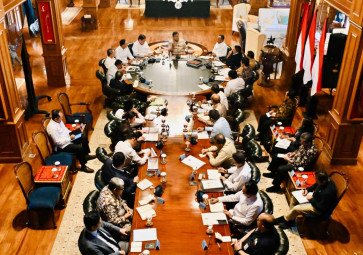
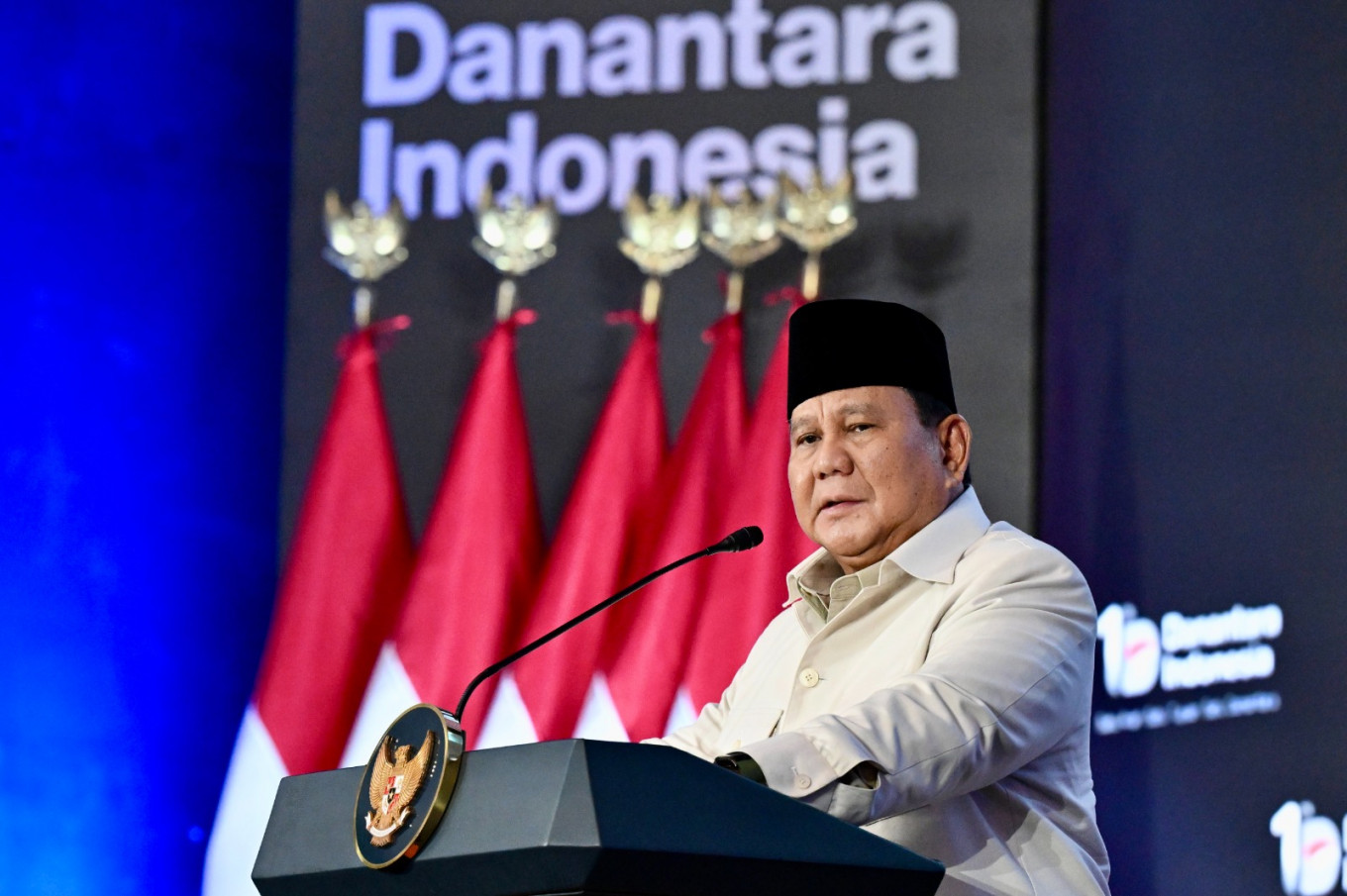 President Prabowo Subianto delivers a speech on March 12 during Danantara’s anniversary event at Wisma Danantara, Jakarta.
(Courtesy of/Danantara)
President Prabowo Subianto delivers a speech on March 12 during Danantara’s anniversary event at Wisma Danantara, Jakarta.
(Courtesy of/Danantara)
L
aw enforcement runs on a single, fundamental resource: a trail. A name attaches to an account, an account to a transaction and a transaction to a date. Remove that trail and it no longer matters how many investigators the police employ, how sophisticated the financial intelligence unit is, or how many bilateral treaties have been signed - there is simply nothing left to follow.
Yet, this is precisely the reality introduced by Article 50A of the amended Financial Sector Development and Strengthening (P2SK) Law, which was enacted by President Prabowo Subianto on June 17. The article effectively shields buyers of Danantara’s Patriot and Merah Putih (Red and White) bonds from criminal prosecution, civil lawsuits and tax investigations.
Moreover, this legislation bars the purchase records themselves from being used as evidence in court. Investigators are not merely being told to look elsewhere; the file has been legally sealed before anyone can even open it.
The scale of this loophole is already immense. Danantara has raised roughly Rp 50 trillion (US$2.8 billion) through the first tranche of these bonds - capital that, for the most part, was secured long before Article 50A existed. The initial tranche launched in August 2025 and was oversubscribed within two months, meaning the legal shield arrived nearly a year after the money changed hands.
This curious timing raises a critical question that the law’s defenders have failed to answer: Does this immunity retroactively cover money that moved before the protection existed, or will the final figure run significantly higher once a second tranche and the still-unissued Merah Putih bonds are factored in? Either conclusion is deeply uncomfortable.
Meanwhile, Indonesia continues to rely on the Financial Action Task Force (FATF), the United Nations Office on Drugs and Crime (UNODC), foreign financial intelligence units and mutual legal assistance treaties to trace, freeze and recover the proceeds of corruption and transnational crime. These two positions are fundamentally irreconcilable. A country cannot credibly ask the international community to help chase dirty money out the back door while legally waving it in through the front.

This legislative shift is not a mere drafting oversight; it is a permanent tax amnesty masquerading as a sovereign bond. While Indonesia ran amnesty programs in 2016–2017 and 2022, both required participants to fully disclose their assets and pay a redemption penalty, and both operated under strict expiration dates. Article 50A features none of these safeguards - no disclosure requirements, no penalties and no sunset clause.