TheJakartaPost
Please Update your browser
Your browser is out of date, and may not be compatible with our website. A list of the most popular web browsers can be found below.
Just click on the icons to get to the download page.


Popular Reads
Top Results
No results found. Please check your search term and try again
Can't find what you're looking for?
View all search results
Popular Reads
Top Results
No results found. Please check your search term and try again
Can't find what you're looking for?
View all search resultsAnalysis: P2SK Law offers problematic path to IDX demutualization
Change text size
Gift Premium Articles
to Anyone
Share the best of The Jakarta Post with friends, family, or colleagues. As a subscriber, you can gift 3 to 5 articles each month that anyone can read—no subscription needed!
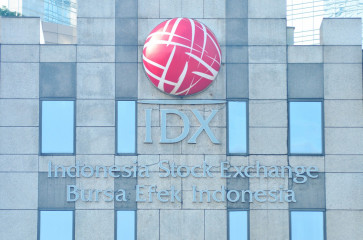
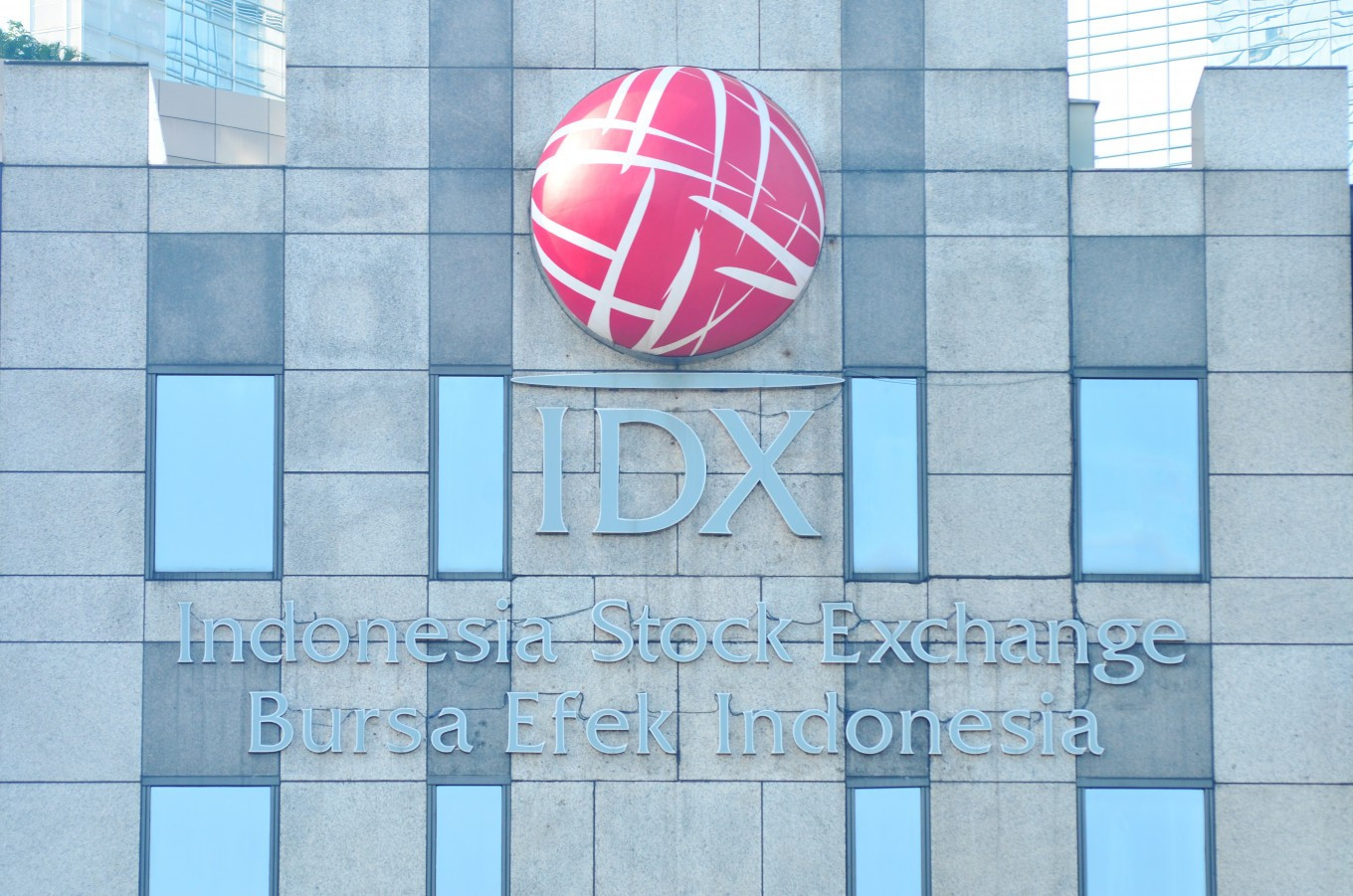 A logo of the Indonesia Stock Exchange (IDX) is seen at the IDX building in Jakarta on Sunday, April 19, 2026. (JP/Iqro Rinaldi)
I
ndonesia has taken a significant step toward overhauling the governance of its capital market after lawmakers approved revisions to the Financial Sector Development and Strengthening (P2SK) Law, paving the way for the eventual demutualization of the Indonesia Stock Exchange (IDX). The reform seeks to end the longstanding model in which the exchange is owned by its member brokerages, while also allowing institutions such as Bank Indonesia (BI), the Finance Ministry and state asset fund Danantara to become shareholders. However, rather than eliminating governance concerns, the new framework may simply shift them from conflicts among market participants to more complex questions about the state's role in owning the country's capital market infrastructure.
Article 8B of Law No. 4/2026, which amends the P2SK Law, stipulates that the Finance Ministry, BI and Danantara may become shareholders of the IDX. The article further states that such ownership shall maintain the independence of the IDX, reflecting lawmakers' intention to broaden the exchange's ownership base while preserving its operational autonomy. Nevertheless, the new provision introduces a different set of governance considerations. Unlike private investors, the Finance Ministry, BI and Danantara each have public mandates that extend well beyond capital market development. Their participation as shareholders therefore raises questions about how the exchange's commercial objectives would be balanced against broader government policy interests.
The issue is particularly significant because one of the principal objectives of the revised P2SK Law is to transform the IDX into a commercially driven enterprise. The explanatory memorandum to Article 8 states that the new shareholding provisions are intended to convert the IDX "from a membership (mutual)-based organization into a demutualized and profit-oriented body”.
One could argue that the current administration's emphasis on mobilizing domestic capital and supporting economic growth through government-led investment makes this ownership structure broadly consistent with its policy agenda. However, government priorities inevitably evolve over time, whereas the legal framework governing the exchange is intended to endure across successive administrations. Embedding state institutions in the ownership structure therefore raises broader questions about whether future governments, pursuing different fiscal, monetary or industrial policies, could exercise influence over an institution that is expected to operate as an independent, commercially oriented market operator.
This approach differs from the path taken by many jurisdictions that have demutualized their stock exchanges over the past three decades. Rather than replacing one dominant shareholder group with another, demutualization has generally been accompanied by efforts to establish a broad and diversified ownership base, often through public listings or dispersed institutional ownership.
Exchanges such as the Singapore Exchange, Hong Kong Exchanges and Clearing, London Stock Exchange Group and the Australian Securities Exchange ultimately became publicly listed companies, with ownership distributed among a wide range of domestic and international investors. The rationale is straightforward: preventing any single stakeholder, whether brokerages, government institutions or listed companies, from exercising disproportionate influence over an exchange whose credibility depends on serving the market as a whole.

These governance questions become even more pronounced when considering the distinct roles of the institutions identified in Article 8B. The Finance Ministry is responsible for fiscal policy and plays a central role in shaping capital market regulation, while BI is tasked with maintaining monetary and financial system stability. Danantara occupies a different position altogether. As the state's sovereign investment holding company, it controls many of Indonesia's largest state-owned enterprises (SOEs), a significant number of which are listed on the IDX and account for a substantial share of the exchange's market capitalization. Even a relatively modest equity stake in the exchange could therefore place Danantara at the intersection of multiple roles: shareholder of the exchange, controlling shareholder of many listed issuers and steward of the state's investment assets.