The Jakarta Post
Please Update your browser
Your browser is out of date, and may not be compatible with our website. A list of the most popular web browsers can be found below.
Just click on the icons to get to the download page.


Popular Reads
Top Results
No results found. Please check your search term and try again
Can't find what you're looking for?
View all search results
Popular Reads
Top Results
No results found. Please check your search term and try again
Can't find what you're looking for?
View all search resultsCheap drones redefine energy security risks
Lessons from the battlefields of Ukraine, Russia and the Middle East have shown how unmanned aircraft can evade traditional air defenses, turning oil refineries, power stations, export terminals and pipelines into prime targets.
Change text size
Gift Premium Articles
to Anyone
Share the best of The Jakarta Post with friends, family, or colleagues. As a subscriber, you can gift 3 to 5 articles each month that anyone can read—no subscription needed!
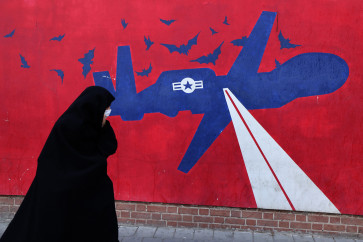
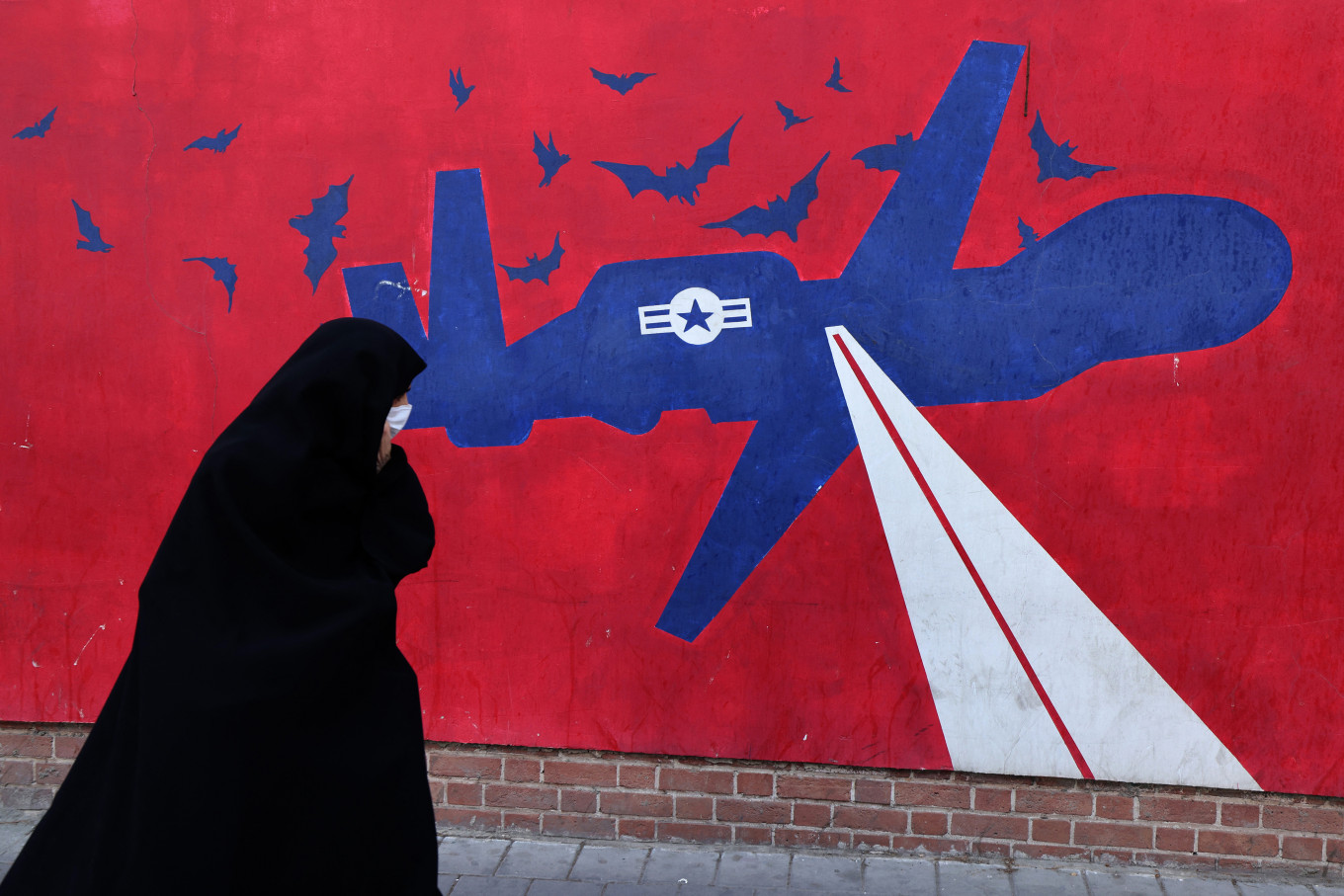 A woman walks on Feb. 1, 2026, past a mural depicting a United States drone painted on the outer walls of the former US Embassy in Tehran, colloquially referred to as the “Spy Den”. (AFP/Atta Kenare)
C
heap, mass-produced drones have transformed modern warfare, exposing critical energy infrastructure as an Achilles' heel for modern economies.
Lessons from the battlefields of Ukraine, Russia and the Middle East have shown how unmanned aircraft can evade traditional air defenses, turning oil refineries, power stations, export terminals and pipelines into prime targets.
The implications for the energy industry are profound. Facilities that took decades and billions of dollars to build can now be threatened by swarms of drones costing a few hundred to a few thousand dollars apiece, dramatically shifting the balance between attacker and defender.
Iran has provided one of the clearest demonstrations of this new reality.
Since its conflict with the United States and Israel began Feb. 28, Tehran has repeatedly used drones to disrupt shipping through the Strait of Hormuz. The narrow waterway carried around a fifth of global oil and gas supplies before the war, and the attacks have upended a decades-old assumption that it could not be blocked without a heavy naval presence.
The threat has forced Gulf producers to revive long-standing plans to reduce their dependence on Hormuz. Across the Gulf, governments are scrambling to build thousands of kilometers of pipelines to allow crude oil and gas exports to bypass the strait.

Yet every kilometer of new pipeline, pumping station or power substation creates another potential target for increasingly sophisticated drone attacks. Indeed, Iran has already struck dozens of refineries, liquefied natural gas (LNG) plants and power stations across the region, while also showing that it can rapidly manufacture new drones, even under wartime conditions.