The Jakarta Post
Please Update your browser
Your browser is out of date, and may not be compatible with our website. A list of the most popular web browsers can be found below.
Just click on the icons to get to the download page.


Popular Reads
Top Results
No results found. Please check your search term and try again
Can't find what you're looking for?
View all search results
Popular Reads
Top Results
No results found. Please check your search term and try again
Can't find what you're looking for?
View all search resultsThink first
If URI is not intended to function as a conventional university, what exactly distinguishes it from institutions that already train public leaders? If it is, why establish a new university rather than strengthen existing ones?
Change text size
Gift Premium Articles
to Anyone
Share the best of The Jakarta Post with friends, family, or colleagues. As a subscriber, you can gift 3 to 5 articles each month that anyone can read—no subscription needed!
 Set as preferred source
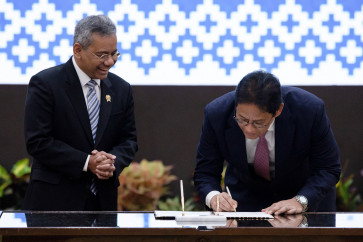
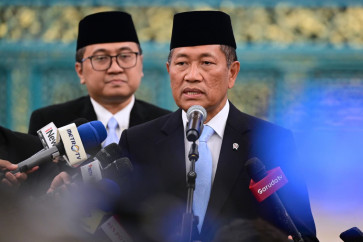
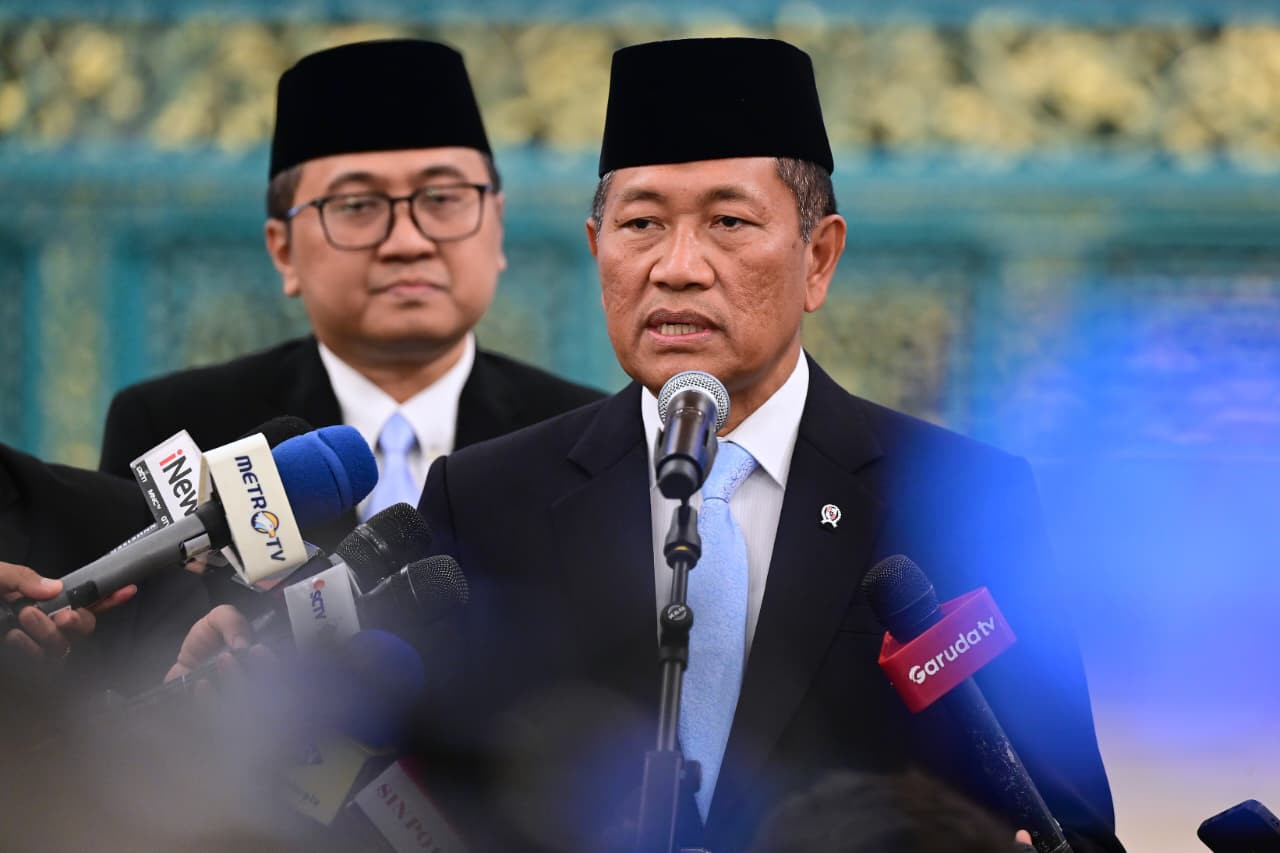 Deputy Defense Minister and newly-inaugurated University of the Republic of Indonesia (URI) Governor Donny Ermawan Taufanto (right) talks to journalists on July 22 as Bandung Institute of Technology (ITB) professor and URI Deputy Governor Yos Sunitiyoso looks on at the State Palace in Central Jakarta. (Courtesy of Presidential Secretariat/Muchlis Jr)
L
ast month, President Prabowo Subianto inaugurated the governor and deputy governor of the newly established University of the Republic of Indonesia (URI) to the surprise of many.
The ambitious initiative (yet another) was launched on July 22, and on the same day, the President appointed Sudaryono as the new head of his flagship free nutritious meal program following the abrupt resignation of his predecessor after only six weeks in office.
There had been no public consultation, no policy paper outlining the university’s purpose and no indication that the government had conducted a comprehensive study to justify creating yet another state university.
Even the House of Representatives’s Commission X overseeing education later admitted it had yet to receive an official explanation from the government regarding the university’s legal basis, mandate, budget or institutional design.
The appointment of a governor rather than a rector immediately drew comparisons with institutions such as the Military Academy, the National Police Academy and the National Resilience Institute (Lemhannas), all of which adopt hierarchical, quasi-military leadership models aimed at producing future state leaders.
URI's governor who is also sitting Deputy Defense Minister Donny Ermawan Taufanto later said the university would prepare future leaders for government and state-owned enterprises by instilling patriotism, integrity, nationalism and managerial competence.

He added that URI would offer academic programs from bachelor's to doctoral levels. Yet before the university's website disappeared from public view, it stated that URI would not provide conventional programs such as medicine, engineering, economics or law.