The Jakarta Post
Please Update your browser
Your browser is out of date, and may not be compatible with our website. A list of the most popular web browsers can be found below.
Just click on the icons to get to the download page.


Popular Reads
Top Results
No results found. Please check your search term and try again
Can't find what you're looking for?
View all search results
Popular Reads
Top Results
No results found. Please check your search term and try again
Can't find what you're looking for?
View all search resultsAmerica’s Israel debate has changed. Indonesia must notice
As American public opinion changes inexorably regarding their country's policy toward Israel, Indonesians should pay heed to how the voices of ordinary voters may ultimately redefine the future of US policy toward Palestine.
Change text size
Gift Premium Articles
to Anyone
Share the best of The Jakarta Post with friends, family, or colleagues. As a subscriber, you can gift 3 to 5 articles each month that anyone can read—no subscription needed!
 Set as preferred source
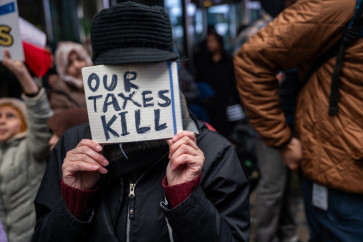
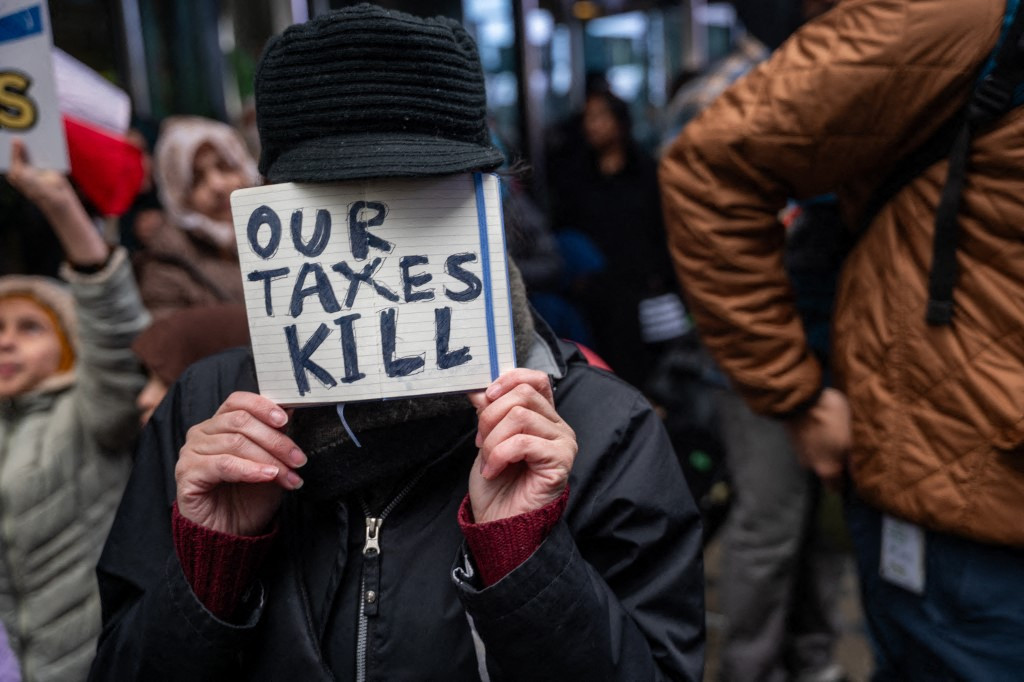 People join an Al Quds Day rally in New York’s Times Square on March 13, 2026, to express support for Palestinians and object to the United States and Israel’s strikes on Iran. (AFP/Spencer Platt)
S
ince United States president Harry Truman recognized the State of Israel in 1948, support for Israel has been one of the few enduring constants in American foreign policy. Presidents disagreed over Vietnam, Iraq, trade, immigration and relations with China, but Democrats and Republicans alike largely treated the US-Israel relationship as politically untouchable. For nearly eight decades, Washington's commitment survived wars, elections and generational change.
From Jakarta, the US often appeared monolithic: Whatever Americans privately thought, their political system would continue providing Israel with military aid, diplomatic protection and unwavering political support.
That assumption is now badly outdated.
The most important story emerging from the US is not simply growing criticism of Israel or outrage over the war in Gaza. It is the gradual unraveling of one of the most durable bipartisan foreign policy consensuses in modern American history.
The American "Overton window" (the range of positions considered politically acceptable) has shifted dramatically. Criticism of Israel is no longer confined to university activists, Arab American organizations or a small group of progressive lawmakers. It is increasingly voiced by ordinary voters, Jewish Americans, veterans, church leaders and politicians who, only a few years ago, would have feared that such views would end their careers.
Several powerful forces have converged to produce this transformation.

Younger Americans did not come of age during the Six-Day War of 1967 or the Yom Kippur War of 1973, when Israel was widely viewed as a small democracy fighting for survival against overwhelming odds. Instead, many have known Israel primarily through the occupation of the West Bank, repeated wars in Gaza and the ubiquity of social media, where images of civilian suffering circulate instantly and largely outside the control of traditional media gatekeepers.