The Jakarta Post
Please Update your browser
Your browser is out of date, and may not be compatible with our website. A list of the most popular web browsers can be found below.
Just click on the icons to get to the download page.


Popular Reads
Top Results
No results found. Please check your search term and try again
Can't find what you're looking for?
View all search results
Popular Reads
Top Results
No results found. Please check your search term and try again
Can't find what you're looking for?
View all search resultsAnalysis: Prabowo's KSSK Plus: Coordination or quiet control?
Change text size
Gift Premium Articles
to Anyone
Share the best of The Jakarta Post with friends, family, or colleagues. As a subscriber, you can gift 3 to 5 articles each month that anyone can read—no subscription needed!
 Set as preferred source
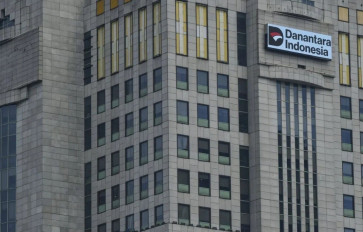
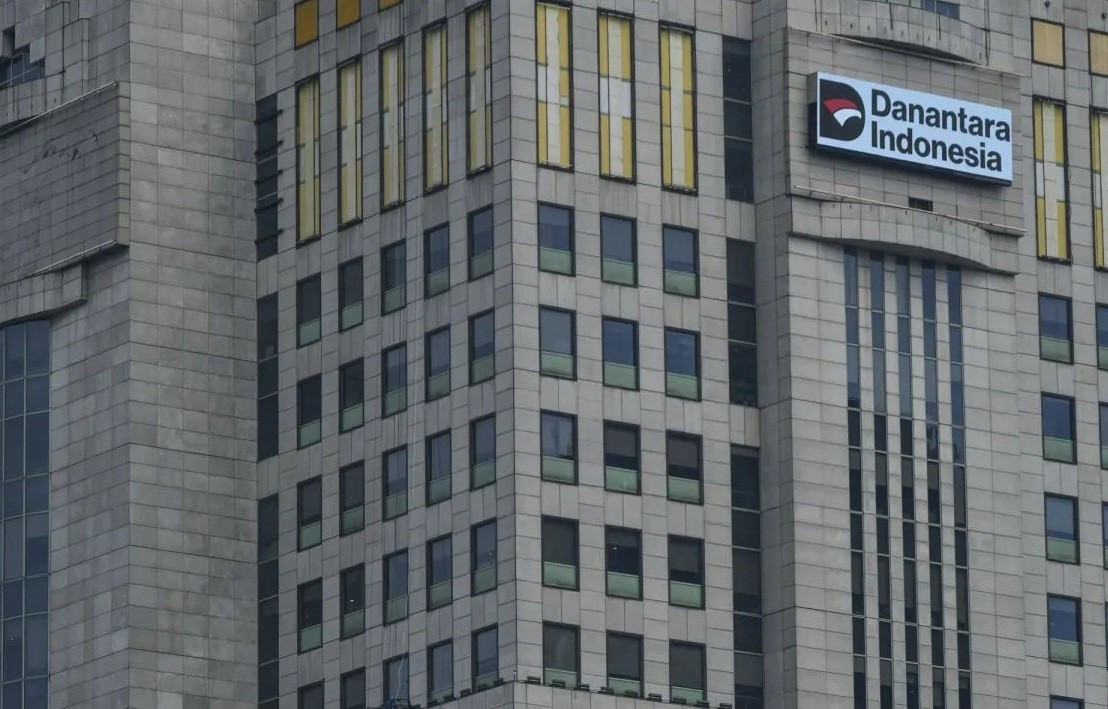 Wisma Danantara Indonesia stands out on Jl. Jenderal Sudirman, Central Jakarta, on July 8, 2025. (Antara/Hafidz Mubarak A)
P
resident Prabowo Subianto is once again reshaping Indonesia's economic institutions. This time, he has instructed the Financial System Stability Committee (KSSK) to involve the Danantara sovereign wealth fund in its deliberations, creating what Danantara CEO Rosan Roeslani calls "KSSK Plus." But when a state investor joins discussions where its own risks may be assessed, the question is whether the arrangement strengthens policy coordination or weakens institutional independence.
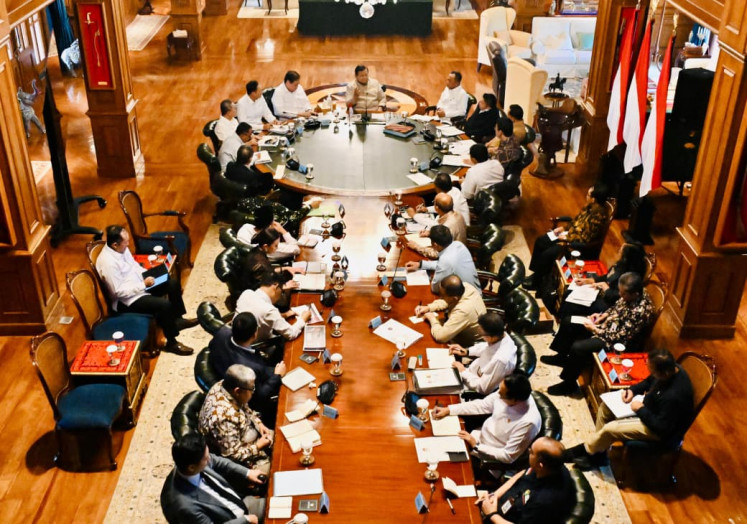
After Prabowo summoned the four KSSK members and Danantara CEO Rosan Roeslani to the State Palace on Monday evening, Finance Minister and KSSK chair Purbaya Yudhi Sadewa offered several important clarifications. First, Danantara will participate only as an invitee without voting rights while decision-making authority would remain with the Finance Ministry, Bank Indonesia (BI), the Financial Services Authority (OJK) and the Deposit Insurance Corporation (LPS).
Second, Purbaya said the 2023 Financial Sector Development and Strengthening (P2SK) Law allows the KSSK to invite outside parties without making them formal members. Third, he argued that Danantara could provide regulators with direct insights into large-scale business operations. Finally, he said Danantara representatives would be asked to leave the room whenever the committee deliberated matters with direct business implications, a safeguard intended to prevent conflicts of interest as its participation becomes routine.
The legal framework leaves little room for ambiguity. Under the 2016 Financial System Crisis Prevention and Handling Law, as strengthened by the 2023 P2SK Law, the KSSK has only four voting members, each with a distinct statutory mandate. The Finance Ministry manages fiscal risks, BI safeguards monetary and payment-system stability, the OJK supervises financial institutions and financial markets and the LPS guarantees deposits and manages bank resolution.
Decisions are made by consensus or majority vote and must be signed by all four members. The 2026 amendment to the P2SK Law did not add Danantara to this structure. The KSSK may consult external parties, but consultation does not create a fifth seat.
Danantara is not a financial regulator but a state-owned investment manager whose assets may be directly affected by KSSK decisions, creating an inherent conflict of interest. Policies needed to defend the rupiah or contain financial risks may reduce the value of its portfolio, while measures designed to protect that portfolio could shift costs to banks, the state budget or the wider economy. Danantara may explain its exposures, but it should not influence how regulators respond to them. Even without voting rights, its presence could weaken market confidence. The institution managing the portfolio should not also help shape the rules used to assess its risks.

The timing could hardly be worse. In just the past 11 months, the leadership of every institution represented in the KSSK has changed. Sri Mulyani Indrawati was replaced by Purbaya at the Finance Ministry in September 2025. Purbaya's departure from the LPS paved the way for Anggito Abimanyu, while Mahendra Siregar's resignation in January 2026 left Friderica Widyasari Dewi in charge of the OJK. Perry Warjiyo's departure in July subsequently left BI under acting governor Destry Damayanti.