The Jakarta Post
Please Update your browser
Your browser is out of date, and may not be compatible with our website. A list of the most popular web browsers can be found below.
Just click on the icons to get to the download page.


Popular Reads
Top Results
No results found. Please check your search term and try again
Can't find what you're looking for?
View all search results
Popular Reads
Top Results
No results found. Please check your search term and try again
Can't find what you're looking for?
View all search resultsClean air can’t wait
As millions choke on toxic air, the real threat to Indonesia’s lungs isn't just distant wildfires—it's the coal plants and industrial polluters running unchecked right next door.
Change text size
Gift Premium Articles
to Anyone
Share the best of The Jakarta Post with friends, family, or colleagues. As a subscriber, you can gift 3 to 5 articles each month that anyone can read—no subscription needed!
 Set as preferred source
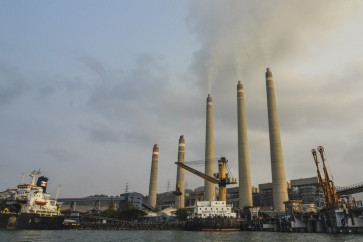
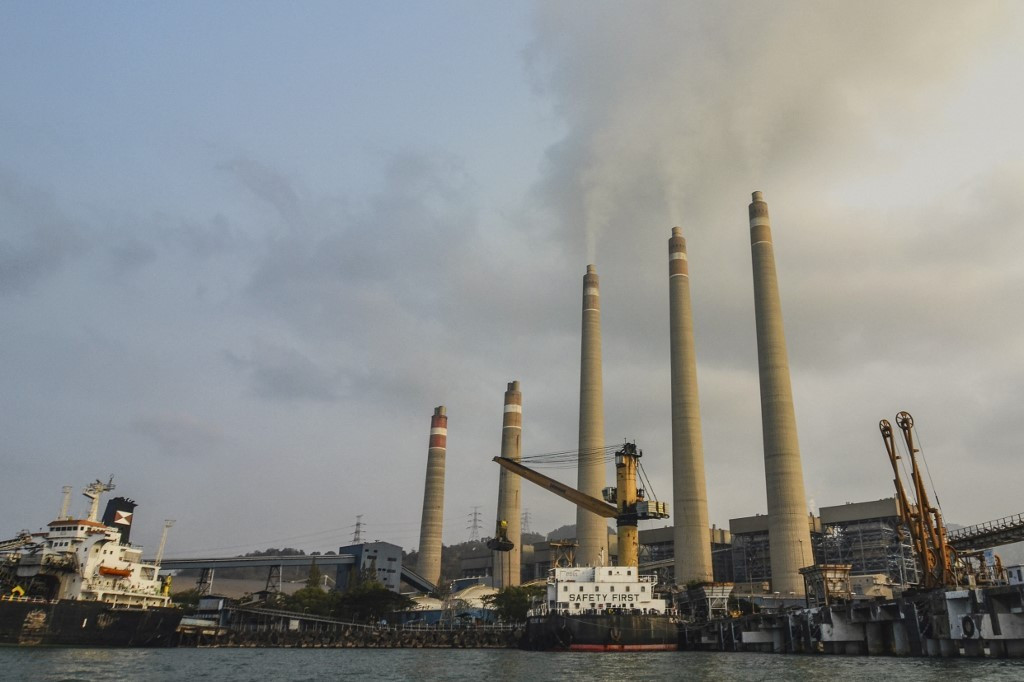 The Suralaya coal-fired power plant is pictured on Oct. 31, 2023, in Cilegon, Banten. (AFP/Ronald Siagian)
A
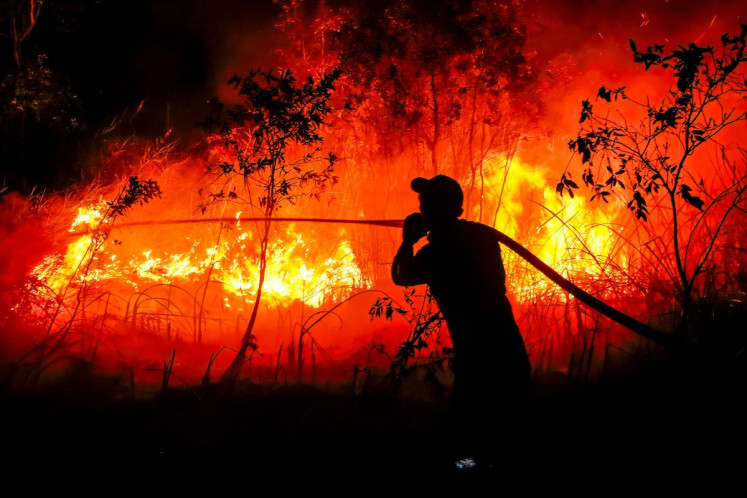
s intense wildfires tear through Sumatra and Kalimantan during a prolonged dry season, the Health Ministry has logged roughly 15.6 million cases of acute respiratory infections (ISPA) nationwide this year, up by about 200,000 compared with the same period last year.
Yet this sharp surge in respiratory illness reaches far beyond the smoke-choked fire zones. Java accounts for some of the highest caseloads, with West Java, Banten and Jakarta topping the list. West Java alone has registered over 1.8 million cases.
These numbers underscore a critical reality: Wildfire haze is not the sole culprit behind the country's respiratory crisis. Across densely populated, industrialized Java, millions breathe toxic air year-round, fueled by unrelenting vehicle exhausts, factory fumes and power station emissions.
Greater Jakarta sits directly inside this pollution corridor. Dozens of coal-fired power plants operate across Banten and West Java, while hundreds of factories spanning Greater Jakarta, Serang, Cikampek and Karawang continuously pump emissions across provincial lines.
The Suralaya coal complex in Banten demands urgent attention. A joint study by the Centre for Research on Energy and Clean Air (CREA), the Center of Economic and Law Studies (CELIOS) and Trend Asia identified Suralaya as the single most hazardous facility among Indonesia’s 20 primary coal plants, a roster that also includes Cirebon, Pelabuhan Ratu and Indramayu in West Java. The study estimates that running these 20 facilities through 2050 could claim up to 156,000 lives prematurely.
A separate CREA study on coal power-dependent nickel hubs in Central Sulawesi, Southeast Sulawesi and North Maluku found that by 2030, localized air pollution will claim an estimated 5,000 lives each year, racking up US$3.42 billion in annual economic damage alongside $235 million in projected losses for farmers and fishermen over the next 15 years.

While Energy Ministry Regulation No. 10/2025 lays out a road map, treating coal power plant retirements as optional and budget-dependent, rather than mandatory, is undermining the country's clean energy transition at the direct expense of public health and the climate.