The Jakarta Post
Please Update your browser
Your browser is out of date, and may not be compatible with our website. A list of the most popular web browsers can be found below.
Just click on the icons to get to the download page.


Popular Reads
Top Results
No results found. Please check your search term and try again
Can't find what you're looking for?
View all search results
Popular Reads
Top Results
No results found. Please check your search term and try again
Can't find what you're looking for?
View all search resultsWatching the 35th NU congress from the diaspora
As Nahdlatul Ulama gathers for its 35th Muktamar, a former diaspora leader argues that safeguarding the organization’s future demands uncompromising independence from power, global literacy at the helm and a real voice for cadres abroad.
Change text size
Gift Premium Articles
to Anyone
Share the best of The Jakarta Post with friends, family, or colleagues. As a subscriber, you can gift 3 to 5 articles each month that anyone can read—no subscription needed!
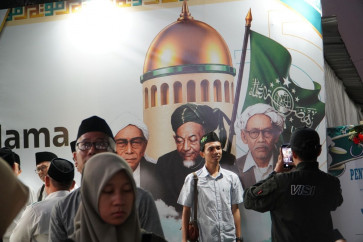
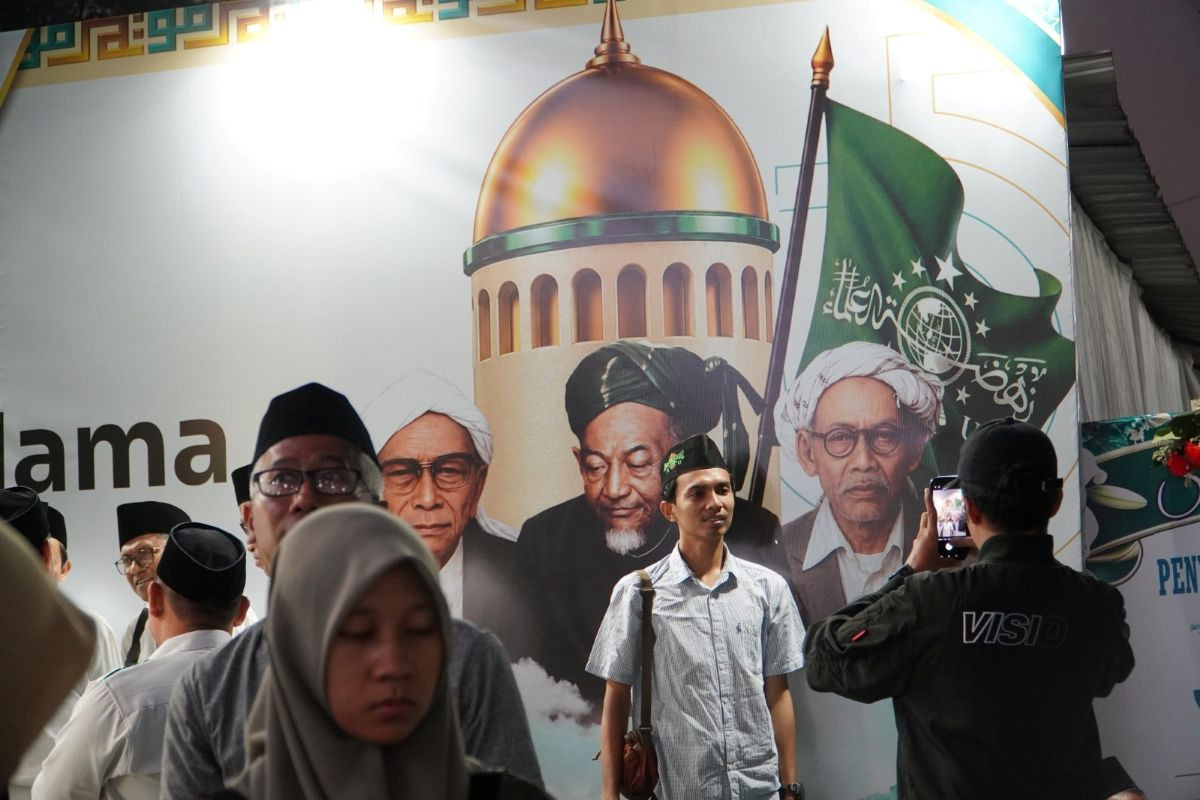 Opening stage: A participant takes a photo in front of a banner for the 35th Nahdlatul Ulama National Congress (Muktamar NU) on Aug. 27, 2026, after the five-day conference opened at Untung Suropati Field in the sprawling complex of Pondok Pesantren Bahrul Ulum Tambakberas, an Islamic boarding school in Jombang regency, East Java (Antara/Syaiful Arif)
O
ne memory from my time leading the Nahdlatul Ulama Special Branch (PCINU) in Turkey remains vivid: a kitab kuning (classical Islamic books) study circle inside a cramped Istanbul student apartment. Though thousands of miles from Indonesia’s traditional pesantren (Islamic boarding school), we kept their rhythm intact through sorogan (private learning), bandongan (collective learning) and debates stretching past midnight.
That room made one truth unmistakable: NU is not merely a Java-centric organization, but a global community beating steadily from Yemen to Ankara, London to Melbourne.
As the 35th Muktamar (congress) of NU convenes at Bahrul Ulum pesantren in Tambakberas, Jombang—founded by NU cofounder Kiai Wahab Chasbullah—my thoughts return to those diaspora circles. The muktamar is NU’s supreme deliberative forum, the place where its founding charter (khittah) and future direction are decided.
Looking in from the outside, three issues demand honest reflection: the caliber of leadership NU requires, the high-stakes defense of its independence and the vital role of its diaspora.
The race for NU top executive post has grown remarkably crowded, with at least eight prominent figures in the mix. Incumbent Yahya Cholil Staquf (Gus Yahya) has signaled his reelection bid, joined by names like deputy chairman Zulfa Mustofa, East Java regional chairman Abdul Hakim Mahfudz (Gus Kikin) and Religious Affairs Minister Nasaruddin Umar. While many welcome this as a sign of healthy internal democracy, sheer numbers do not guarantee quality leadership.
Classical standards remain nonnegotiable. A chairman must be faqih fid-din—grounded in religious scholarship—to ensure NU endures as a genuine jam'iyah diniyah (religious group) rather than a generic mass organization.

Yet my years abroad highlight another critical trait that public discourse routinely neglects: being truly world-literate. NU needs a leader who can read global currents and recognize that the challenges facing Indonesian Muslims extend far beyond national borders.