The Jakarta Post
Please Update your browser
Your browser is out of date, and may not be compatible with our website. A list of the most popular web browsers can be found below.
Just click on the icons to get to the download page.


Popular Reads
Top Results
No results found. Please check your search term and try again
Can't find what you're looking for?
View all search results
Popular Reads
Top Results
No results found. Please check your search term and try again
Can't find what you're looking for?
View all search resultsIn food crises, emergency agricultural assistance can help turn the tide
Timely agricultural assistance can prevent manageable shocks from becoming entrenched humanitarian emergencies.
Change text size
Gift Premium Articles
to Anyone
Share the best of The Jakarta Post with friends, family, or colleagues. As a subscriber, you can gift 3 to 5 articles each month that anyone can read—no subscription needed!
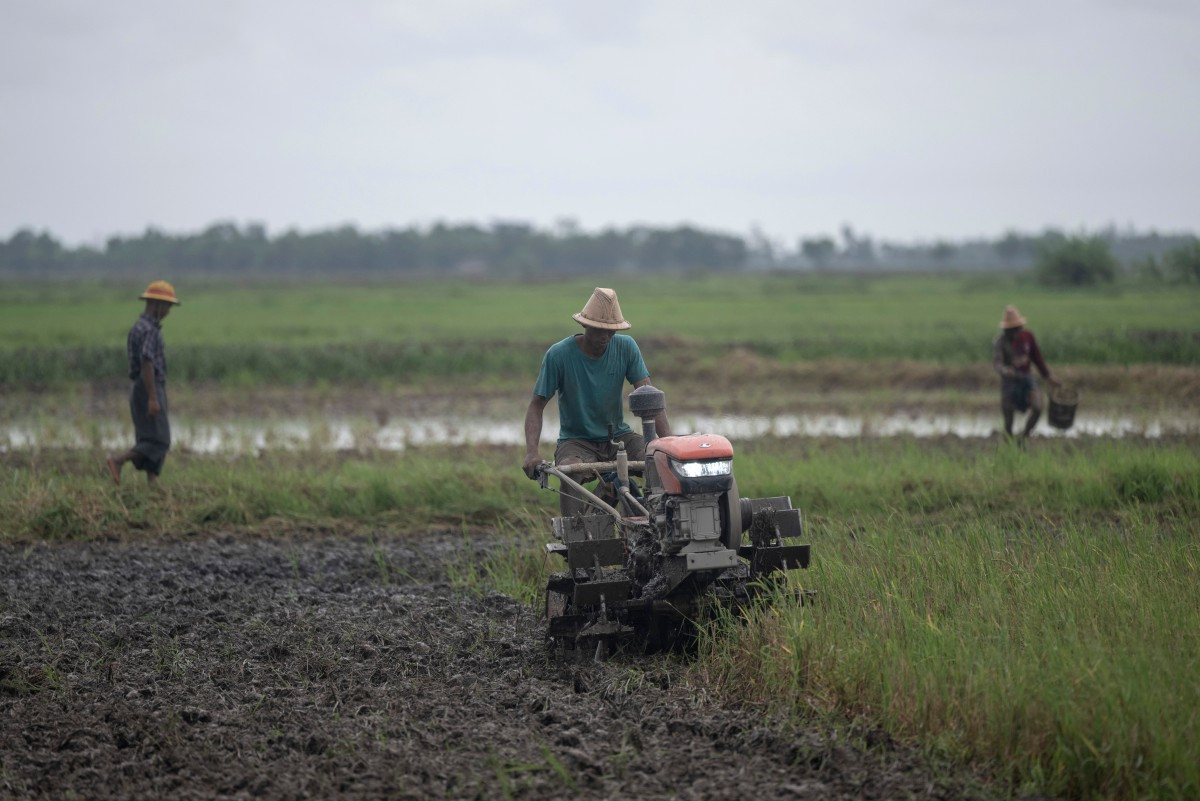 A farmer plows a field with a tractor in Kawhmu township on the outskirts of Yangon on May 25, 2026. (AFP/Sai Aung Main)
W
hen disaster strikes, the world rushes to save lives and too often forgets the fields that feed them. Acting early to safeguard agrifood systems helps prevent hunger and repeated displacement, and it reduces the need for much larger humanitarian interventions later.
Natural disasters, climate shocks, conflict and displacement are no longer isolated events. Increasingly, they strike at the same time and create cascading humanitarian crises. Conflict in the Middle East continues to deepen food insecurity across Asia and the Pacific by raising energy costs and disrupting supply chains. Meanwhile, droughts, floods and other extreme weather events are becoming more frequent and severe.
These overlapping crises demand a different humanitarian response: one that is proactive, meets immediate needs and equips people with the knowledge and resources to recover. This means getting seeds, fertilizer and knowledge to farmers in time to plant, while protecting land, equipment and resources that communities need to grow food and earn an income. Acting early in these practical ways saves lives. It also restores dignity, self-reliance and hope.
Myanmar and Bangladesh show why this approach matters. In both countries, the Food and Agriculture Organization of the United Nations (FAO) is delivering emergency agricultural assistance with support from humanitarian funds that channel resources to locally identified priorities, helping communities withstand crises before they deepen.
In Myanmar, farmers face a devastating convergence of climate shocks, protracted conflict, displacement, market disruption and economic instability. These combined pressures severely undermine food production. When farmers cannot safely access their land or markets, they lose income and the means to feed their families. Insecurity also disrupts supply chains and limits the delivery of agricultural assistance. It also drives up the cost of essential inputs like fuel and fertilizer.
Agriculture employs around 70 percent of Myanmar's population. Yet some 16.7 million people, 30 percent of the population, now face high levels of acute food insecurity. Many of the country's 3.6 million internally displaced people come from farming communities.

With support from the Myanmar Humanitarian Fund, the FAO has delivered urgent assistance to help conflict-affected households meet immediate needs while protecting and restoring food production. In some of the country's most food-insecure regions, vulnerable farming households received quality seeds, emergency agricultural inputs, technical support and practical training to help them continue producing food. This support helps them meet their own food needs and avoid harmful coping strategies such as skipping meals.