The Jakarta Post
Please Update your browser
Your browser is out of date, and may not be compatible with our website. A list of the most popular web browsers can be found below.
Just click on the icons to get to the download page.


Popular Reads
Top Results
No results found. Please check your search term and try again
Can't find what you're looking for?
View all search results
Popular Reads
Top Results
No results found. Please check your search term and try again
Can't find what you're looking for?
View all search resultsRelentless natural disasters test Indonesia’s fiscal priorities
Indonesia can always scramble cash after tragedy strikes, but with national buffers tied up and disasters arriving back-to-back, running preparedness on a shoestring is a gamble we can no longer afford.
Change text size
Gift Premium Articles
to Anyone
Share the best of The Jakarta Post with friends, family, or colleagues. As a subscriber, you can gift 3 to 5 articles each month that anyone can read—no subscription needed!
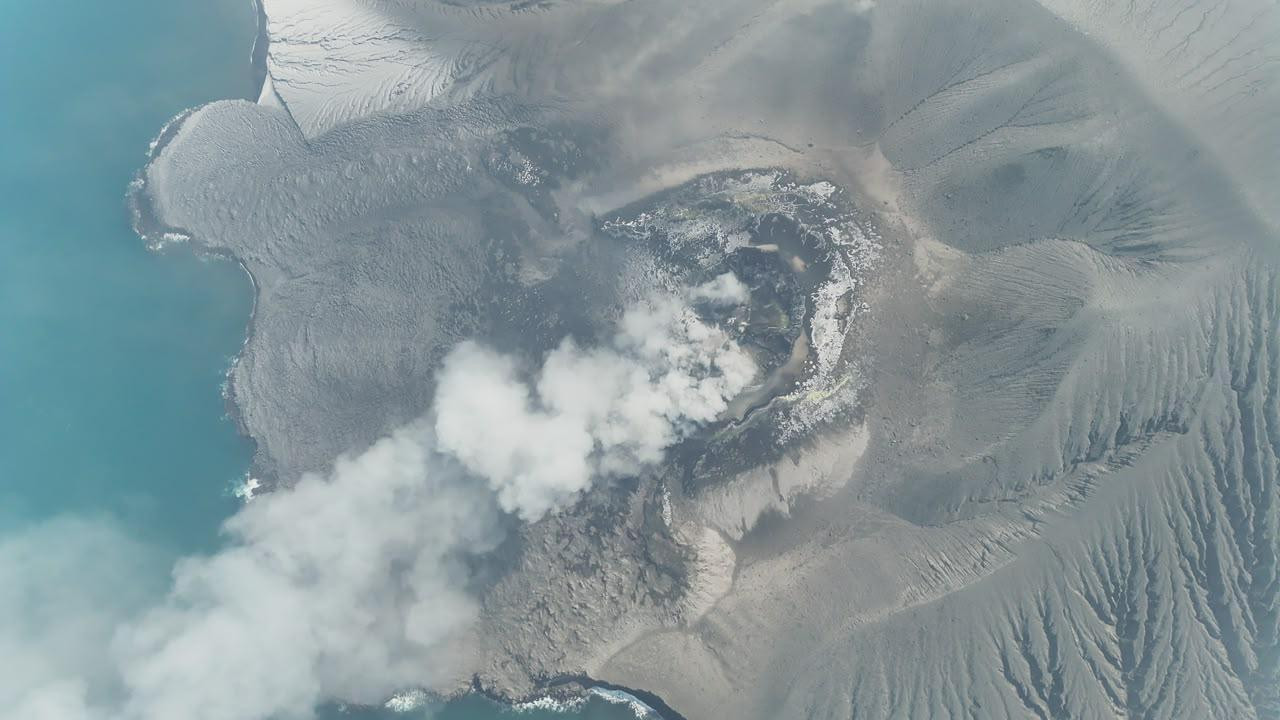 Anak Krakatau volcano erupts as documented by a team from the Center for Volcanology and Geological Hazard Mitigation at the Meteorology, Climatology and Geophysics Agency (BMKG) on Sept. 5, 2026. (Courtesy: Geological Agency/-)
I
ndonesia has faced an unrelenting convergence of hazards over recent weeks. The dust has barely settled from the major earthquake in Flores, leaving behind a mounting humanitarian crisis and a heavy reconstruction burden, while Anak Krakatau, Sinabung, Semeru, and several other volcanoes have flared into life.
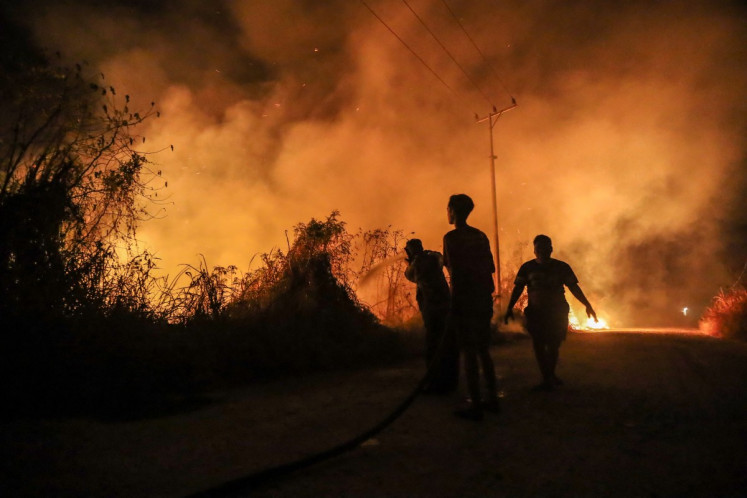
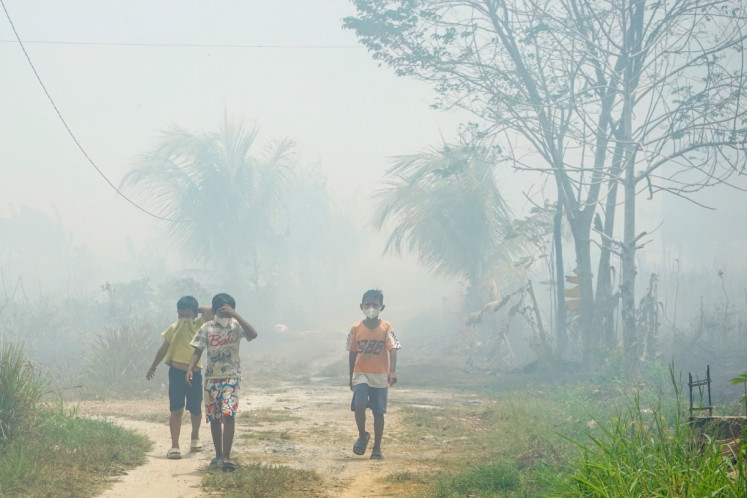
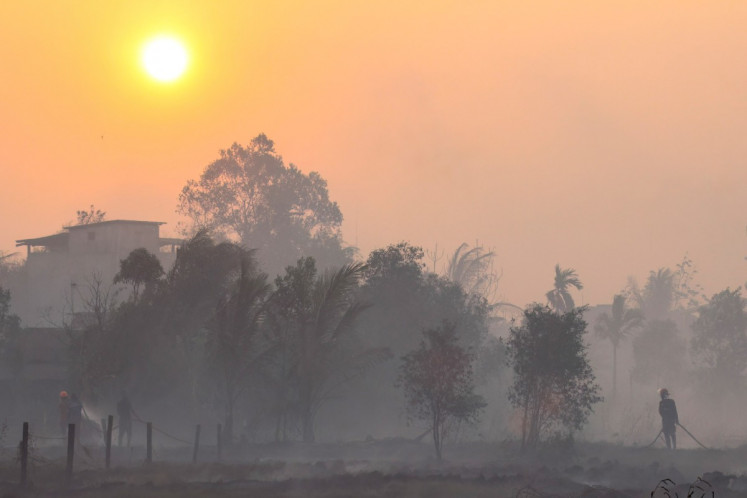
At the same time, an intense El Niño has stoked droughts and peatland fires across Sumatra and Kalimantan, choking rivers, snarling supply chains, worsening air quality and threatening crop yields.
None of this is new to Indonesia. What makes this round so punishing is the sheer compression of events: disaster upon disaster, arriving well before communities have managed to rebuild from the last.
That squeeze is putting an uncomfortable question to the test: Have we kept enough fiscal and institutional breathing room for risks that arrive like clockwork year after year?
In an archipelago like this, the real unknown is never if, it is simply where, when and how large. Floods, fires, droughts, quakes, landslides and eruptions will inevitably happen, and they will certainly take a bite out of the economy. Disaster risk is not a bolt from the blue; it is a permanent line item of national exposure, and our fiscal architecture ought to treat it as one.
Years ago, the Disaster Management Research Unit at the Centre for Strategic and International Studies (DMRU-CSIS) flagged this vulnerability. Its study, “Building a Disaster-Risk Financing System in Indonesia”, found that disaster funding relied far too heavily on ad-hoc appropriations from the annual state budget.

Contingency reserves were dwarfed by actual economic damage, meaning every major shock risked siphoning money away from core development goals. The researchers urged the creation of financing mechanisms that both national and regional authorities could tap quickly and flexibly.