The Jakarta Post
Please Update your browser
Your browser is out of date, and may not be compatible with our website. A list of the most popular web browsers can be found below.
Just click on the icons to get to the download page.


Popular Reads
Top Results
No results found. Please check your search term and try again
Can't find what you're looking for?
View all search results
Popular Reads
Top Results
No results found. Please check your search term and try again
Can't find what you're looking for?
View all search resultsAsset forfeiture bill: The paradox of Prabowo’s anticorruption rhetoric
Prabowo promised to chase corrupt actors to Antarctica, but passing the asset forfeiture bill without democratic safeguards risks handing the state a weapon against its own people.
Change text size
Gift Premium Articles
to Anyone
Share the best of The Jakarta Post with friends, family, or colleagues. As a subscriber, you can gift 3 to 5 articles each month that anyone can read—no subscription needed!
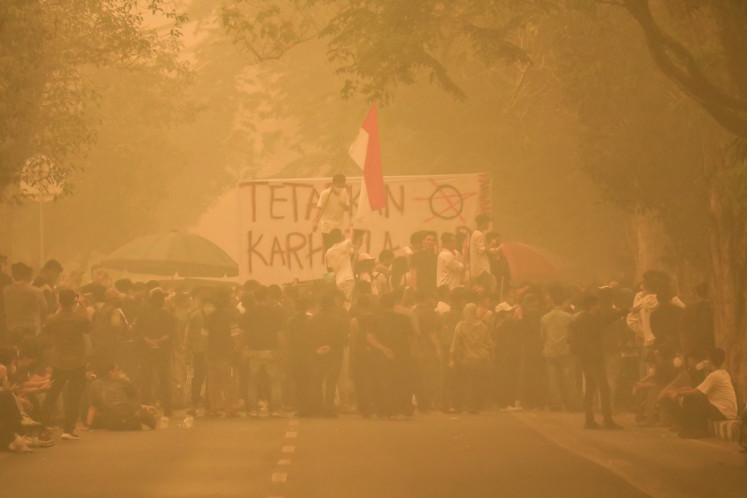
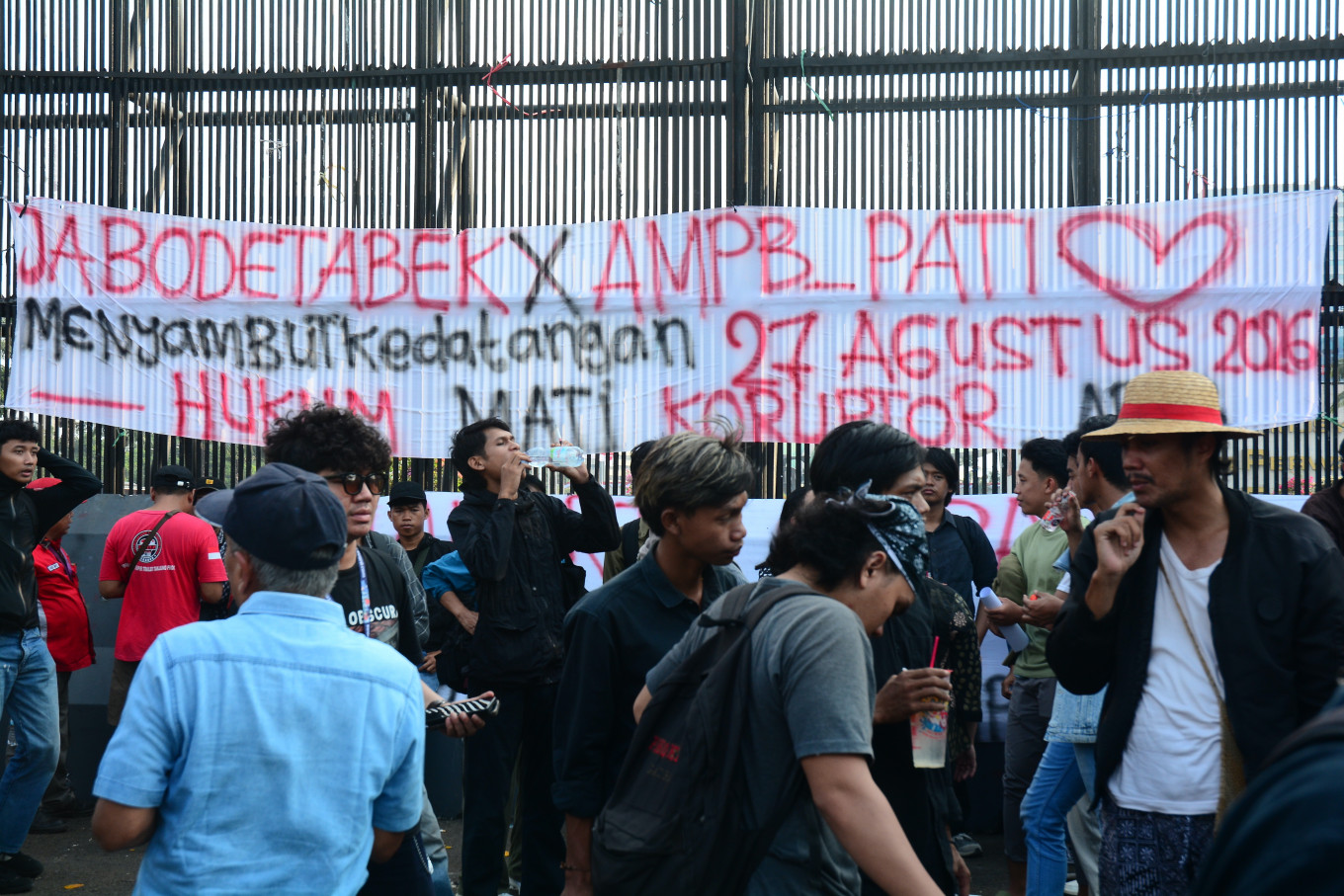 People gather in front of the Parliament Complex in Jakarta on Aug. 26, 2026, in preparation for a peaceful protest by the United Pati Community Alliance, or AMPB. The group held a peaceful protest that Thursday over corruption eradication and the passage of the Asset Forfeiture Bill. (JP/Iqro Rinaldi)
O
n the campaign trail, Prabowo Subianto vowed to hunt down corrupt officials “even if they flee to Antarctica.” It was tailor-made for a public exhausted by decades of impunity: punchy, uncompromising, and reassuringly simple. Yet barely two months into his presidency, that posture softened.
Addressing Indonesian students in Cairo on Dec. 18, 2024, Prabowo struck an unexpected tone, urging state money embezzlers to repent and return what they had stolen in exchange for possible forgiveness. His allies scrambled to spin the pivot as hard-nosed pragmatism, a calculated strategy to claw back state losses.
The pivot matters because it exposes a familiar malaise in Indonesian politics: The gulf between populist bluster and the institutional machinery required to back it up. A president can promise pursuit to the ends of the earth, but reclaiming stolen wealth demands independent courts, transparent rules, professional investigators, and the forensic grit to trace illicit capital through labyrinthine networks.
The struggle over the asset forfeiture bill cannot be reduced to whether the House of Representatives finally passes legislation delayed for nearly 20 years. The country genuinely needs this statute.
It must align with the United Nations Convention against Corruption (UNCAC) and global recovery standards, capable of freezing, seizing, managing, and repatriating illicit assets while fiercely guarding due process, bona fide third-party rights, and meaningful judicial redress. A law that merely expands executive power to grab private property, stripped of those guardrails, fails the test.
Under UNCAC, asset recovery is a cohesive chain, not an arbitrary grab. It requires identifying dirty wealth, securing it before it vanishes, tracing it across borders, managing it ethically, and returning it to rightful victims. International best practice also recognizes non-conviction-based (in rem) forfeiture when criminal prosecution hits a dead end—such as when a suspect dies, absconds, or evades jurisdiction.

Indonesia should not flinch from crafting a system with real teeth. Corrupt actors must not be permitted to hide assets behind nominees, shell corporations, or offshore instruments, nor escape justice by going into exile.