The Jakarta Post
Please Update your browser
Your browser is out of date, and may not be compatible with our website. A list of the most popular web browsers can be found below.
Just click on the icons to get to the download page.


Popular Reads
Top Results
No results found. Please check your search term and try again
Can't find what you're looking for?
View all search results
Popular Reads
Top Results
No results found. Please check your search term and try again
Can't find what you're looking for?
View all search resultsChildren are no longer the priority, were they ever?
When a national school lunch program turns kids into hospital patients, it’s time to ask whether our children are the priority, or just collateral damage for an economic machine.
Change text size
Gift Premium Articles
to Anyone
Share the best of The Jakarta Post with friends, family, or colleagues. As a subscriber, you can gift 3 to 5 articles each month that anyone can read—no subscription needed!
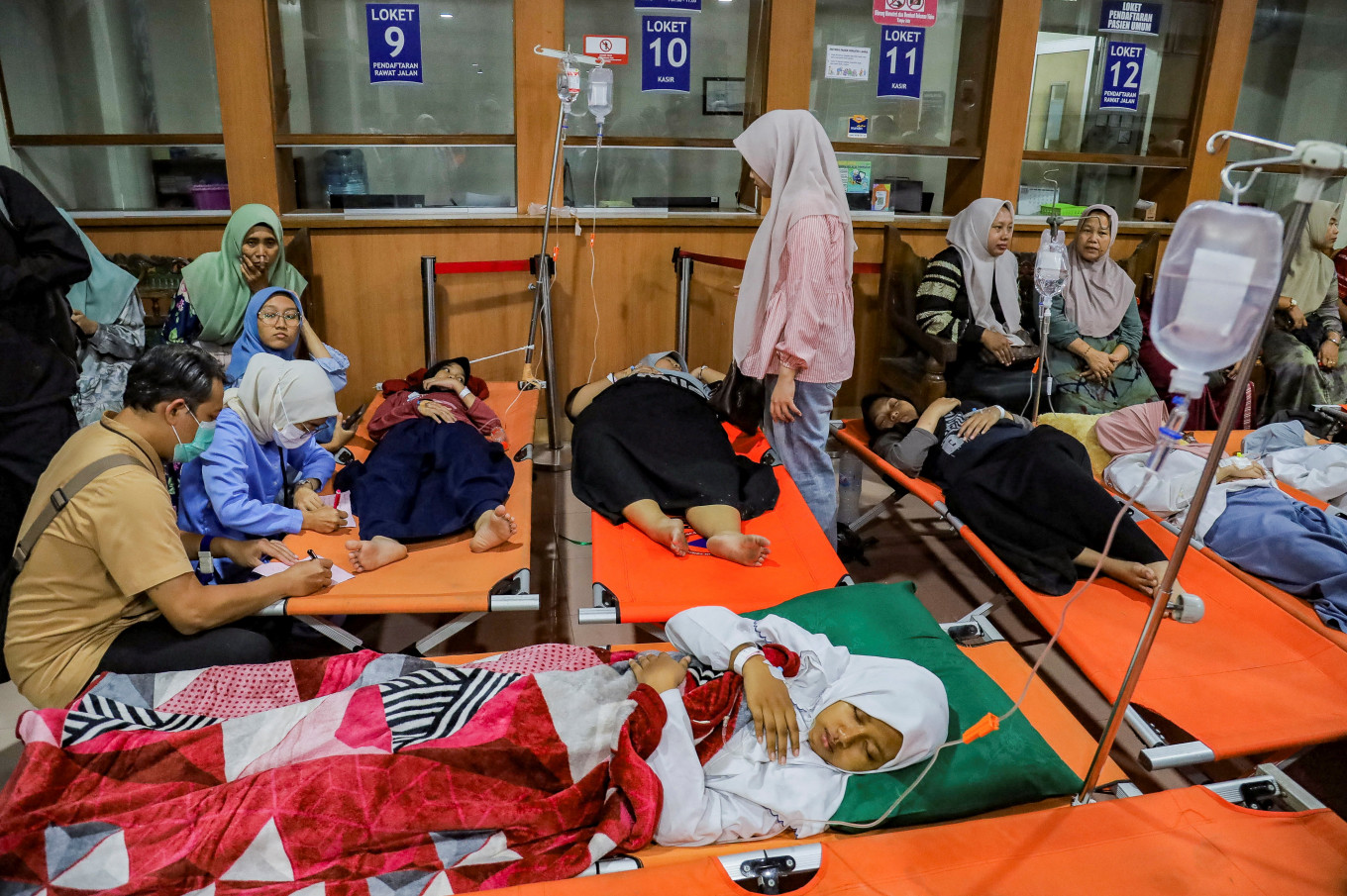 Students rest while receiving treatment for food poisoning at the regional general hospital after eating government-sponsored free school meals in Sidoarjo, East Java, on Sept. 2, 2026. (Reuters/Suryanto)
I
magine being told a government program exists to keep you healthy, only to end up in a hospital bed because of the very food it handed you.
That is the bitter reality behind the latest wave of mass illnesses shadowing the free nutritious meals rollout. Over the past week, more than 2,000 schoolchildren across the country fell violently ill with nausea, vomiting and diarrhea after eating their distributed lunches. Many were rushed to local community health centers (Puskesmas) and emergency wards, with several requiring intensive care at hospitals.
This was no fluke. Amid the government’s claim about the free meals program’s successful implementation in international forums, outbreaks of foodborne illness tied to the program have surfaced repeatedly since its launch in February 2025.
None of this means the country should abandon feeding its young. With stunting affecting 18.7 percent and wasting at 11 percent among children aged 5 to 12, as mapped out by the 2023 Basic Health Survey, the state has every reason to invest aggressively in child nutrition. The core premise remains unimpeachable: No child should have to study on an empty stomach, and poverty should never dictate a student's access to a decent meal.
The government has proposed between Rp 232.5 trillion (US$13 billion) and Rp 240 trillion for free meals next year, targeting 72 million children, down from Rp 268 trillion allocated for this year.
Along the way, however, the program has gathered an overwhelming roster of secondary ambitions. Official briefings increasingly measure the program’s triumph not by clinical outcomes, but by economic stimulus: jobs generated, guaranteed offtakes for local farmers and cash injected into neighborhood micro-enterprises.

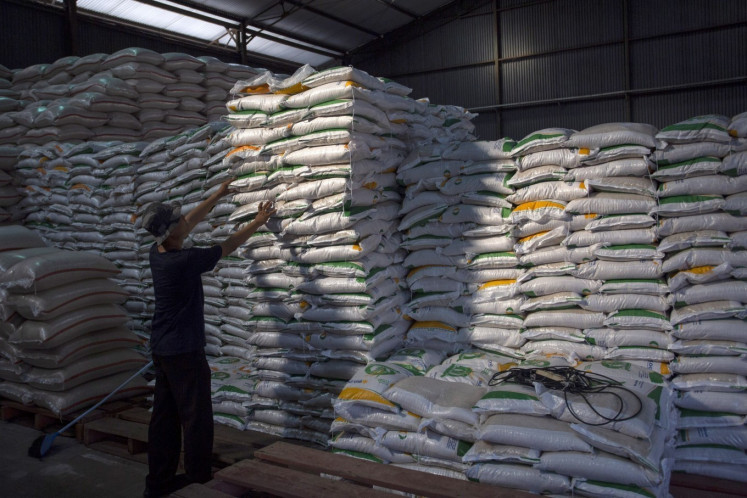
By early 2026, the National Nutrition Agency (BGN) reported nearly 790,000 jobs created across its centralized kitchens and roughly 47,000 local suppliers integrated nationwide. A single service unit (SPPG) can easily churn through 1.5 tonnes of rice and 6,500 chickens a month. Spurring regional economies is a worthy byproduct of public spending, but these secondary gains are quietly mutating into the main event.