The Jakarta Post
Please Update your browser
Your browser is out of date, and may not be compatible with our website. A list of the most popular web browsers can be found below.
Just click on the icons to get to the download page.


Popular Reads
Top Results
No results found. Please check your search term and try again
Can't find what you're looking for?
View all search results
Popular Reads
Top Results
No results found. Please check your search term and try again
Can't find what you're looking for?
View all search resultsElecting a new WHO boss: An opportunity for Indonesia and the world
Faced with an existential budget crisis and a fractured world order, the WHO needs an executive turnaround more than another doctor - and Indonesia’s Budi Gunadi Sadikin may be the outsider built for the job.
Change text size
Gift Premium Articles
to Anyone
Share the best of The Jakarta Post with friends, family, or colleagues. As a subscriber, you can gift 3 to 5 articles each month that anyone can read—no subscription needed!
 Set as preferred source
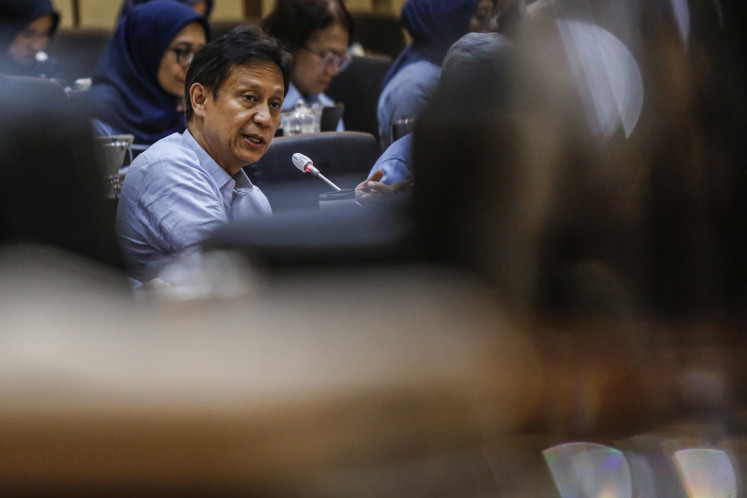
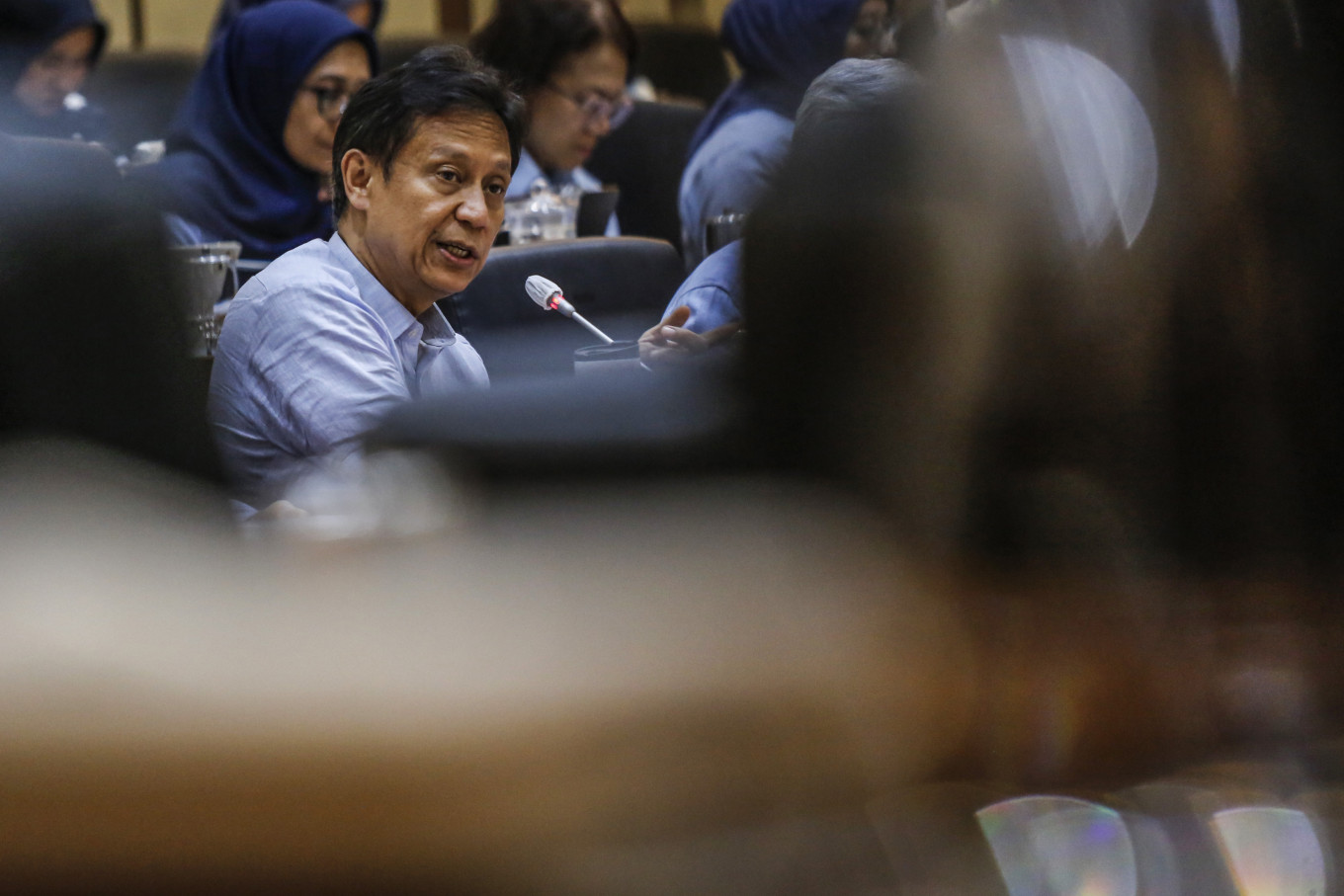 Health Minister Budi Gunadi Sadikin delivers a presentation on April 20 during a meeting with House of Representatives Commission IX at the Senayan parliamentary complex, Jakarta. The meeting discussed the handling of extraordinary outbreaks of measles and other infectious diseases, as well as an evaluation of the national immunization program. (Antara/Asprilla Dwi Adha)
I
n the coming months, the World Health Organization will embark on the process of electing its next director general. The incoming leader will inherit an acute convergence of global crises: the escalating health impacts of climate change, persistent pandemic threats (from Ebola and measles to novel influenza strains), frayed pandemic preparedness and falling immunization rates for preventable diseases.
Compounding these immediate challenges is the mandate to guide member states toward meeting the ambitious 2030 Sustainable Development Goals (SDGs).
Inside the agency, the crisis is existential. The new director general must close a staggering US$4.2 billion funding gap in the 2026 - 2027 progra budget - which remained $300 million short as of May 2026 - triggered by the United States’ withdrawal from the agency in January 2025. That exit has already forced deep retrenchment, including a 25 percent reduction in staff over the past year.
At the macro level, the challenge transcends public health. The next leader will have to navigate a fractured geopolitical landscape marked by a fraying post-war multilateral order, sharp declines in development assistance, a virulent anti-science backlash and the rapid integration of artificial intelligence across every domain of human life.
Given these headwinds, what caliber of leadership does the WHO require? What specific competencies will steady the agency in such turbulent waters? And who is poised to step forward?
As the race and campaigning begins, and while official nominations have not closed, we can perhaps already see a pattern emerging in the profiles of the four candidates that have so far officially declared their intention to contest for the post. What kind of profiles are we seeing in these candidates, and are likely to see, by the time the nominations close on Sept. 24? And what other factors may play into the process?

Broadly speaking, the emerging field divides into two distinct archetypes.