The Jakarta Post
Please Update your browser
Your browser is out of date, and may not be compatible with our website. A list of the most popular web browsers can be found below.
Just click on the icons to get to the download page.


Popular Reads
Top Results
No results found. Please check your search term and try again
Can't find what you're looking for?
View all search results
Popular Reads
Top Results
No results found. Please check your search term and try again
Can't find what you're looking for?
View all search resultsAnalysis: When wildfires become a diplomatic problem
Change text size
Gift Premium Articles
to Anyone
Share the best of The Jakarta Post with friends, family, or colleagues. As a subscriber, you can gift 3 to 5 articles each month that anyone can read—no subscription needed!
 Set as preferred source
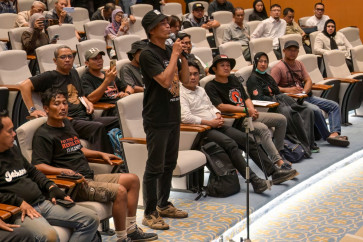
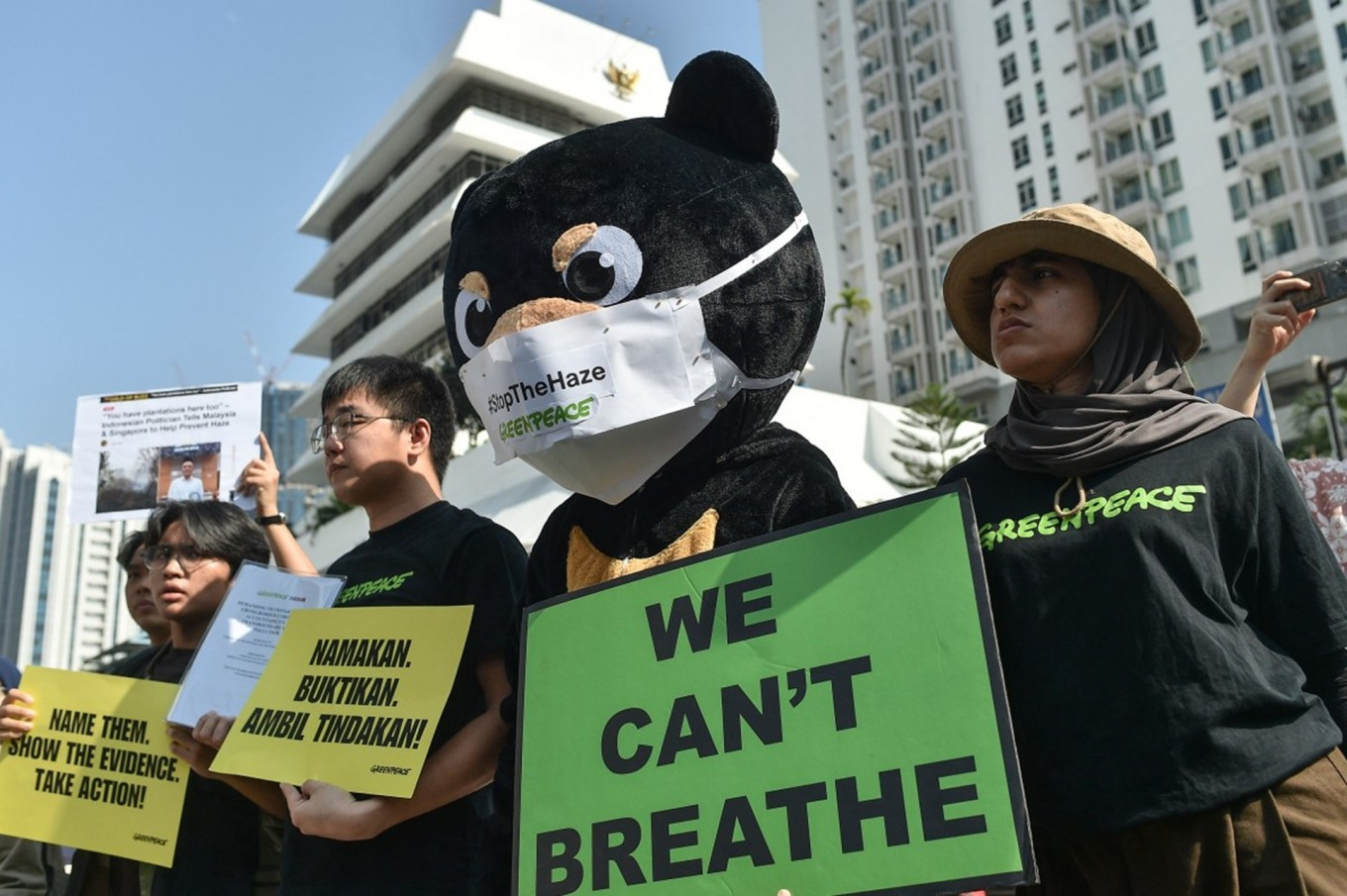 Activists led by Greenpeace Malaysia and Himpunan Advocacy Rakyat Malaysia (HARAM) stage a rally in front of the Indonesian embassy in Kuala Lumpur on Sept. 4, 2026, calling for transparency and corporate accountability over transboundary haze due to wildfires in Indonesia. (AFP/Arif Kartono)
I
ndonesia’s recurring wildfires have once again spiraled into a crisis that reaches far beyond its forests and peatlands. As dense haze shuts down schools, endangers public health, and chokes local economies at home, smoke from fires across Sumatra and Kalimantan has drifted across national borders, blanketing parts of Singapore, Malaysia, Brunei, and the Philippines. What has long been treated as an unfortunate, seasonal environmental headache is morphing into a thorny test of governance, and an escalating diplomatic liability for Jakarta.
The scale of this year’s burn is staggering. Data from Nusantara Atlas shows a dramatic surge in cumulative hotspots in late August, leaping from 190,571 on Aug. 22 to 294,699 just a day later. By Sept. 10, that tally had topped 301,990, with Kalimantan recording the highest density of active blazes. The emissions tell an equally grim story. According to the European Union’s Copernicus Climate Change Service, Indonesia’s wildfires released an estimated 19.7 million metric tonnes of carbon dioxide between Sept. 1 and 7 alone, accounting for more than a third of all wildfire emissions worldwide during that period.
By July, roughly 202,000 hectares had already burned, according to data cited by Reuters. That damage expanded sharply through August, with total burned area estimated to have reached 600,000 ha, concentrated largely in Kalimantan, Sumatra, and South Papua. A potent El Niño has undoubtedly exacerbated conditions, ushering in parched, blistering weather that allows fires to ignite and spread with ease. Yet weather alone cannot shoulder the blame for a disaster that returns like clockwork.
Forestry Minister Raja Juli Antoni has openly acknowledged that many of these fires were set intentionally by individuals and corporations. Slashing and burning remains the cheapest, easiest method for clearing land in rural Indonesia, particularly where peatlands and native forests are systematically converted into oil palm and pulp plantations. This reality shifts the underlying debate: The issue is not simply whether Indonesia can respond to extreme weather, but whether it possesses the political will to stop illegal burning and hold perpetrators accountable.
Authorities have started taking legal steps. The Forestry Ministry recently handed down administrative sanctions to six Forest Utilization Business Permit holders after fires scorched 1,511.55 ha across their concessions in West, Central, and East Kalimantan. Five of these companies received government-enforced compliance orders. A sixth, PT MPK, had its operating permit suspended alongside an enforcement order after investigators discovered extensive, recurring burns across its land.
Yet enforcement remains the ultimate bottleneck: identifying the actual culprits behind the blazes and imposing penalties severe enough to serve as a genuine deterrent.

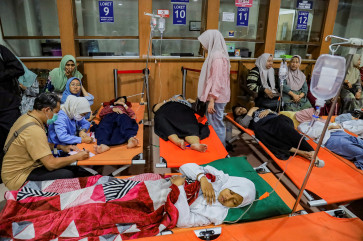
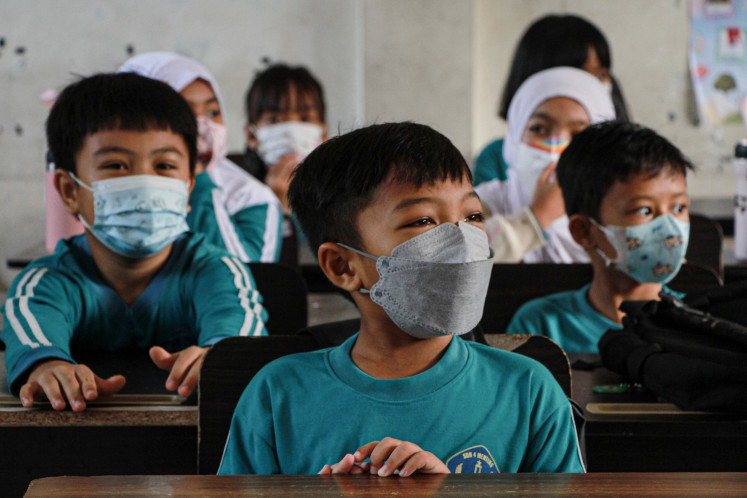
At home, the toll is devastating. More than 1.4 million students have been forced back into remote learning due to toxic, hazardous air. In Palembang, South Sumatra, the closures disrupted around 250,000 students across 1,030 schools. Meanwhile, health authorities recorded more than 50,000 cases of acute respiratory infections across seven provinces between July and August alone.