The Jakarta Post
Please Update your browser
Your browser is out of date, and may not be compatible with our website. A list of the most popular web browsers can be found below.
Just click on the icons to get to the download page.


Popular Reads
Top Results
No results found. Please check your search term and try again
Can't find what you're looking for?
View all search results
Popular Reads
Top Results
No results found. Please check your search term and try again
Can't find what you're looking for?
View all search resultsGood governance 101
A regional administration that fixes flawed infrastructure after it goes viral isn't setting the standard for leadership. It's merely doing the bare minimum.
Change text size
Gift Premium Articles
to Anyone
Share the best of The Jakarta Post with friends, family, or colleagues. As a subscriber, you can gift 3 to 5 articles each month that anyone can read—no subscription needed!
 Set as preferred source
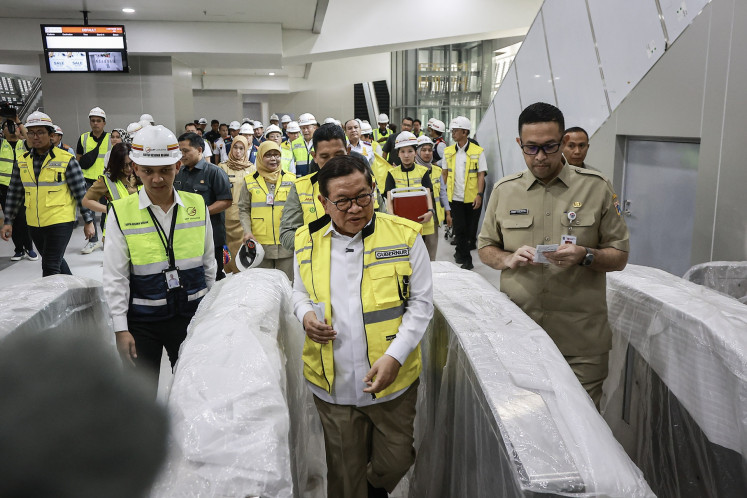
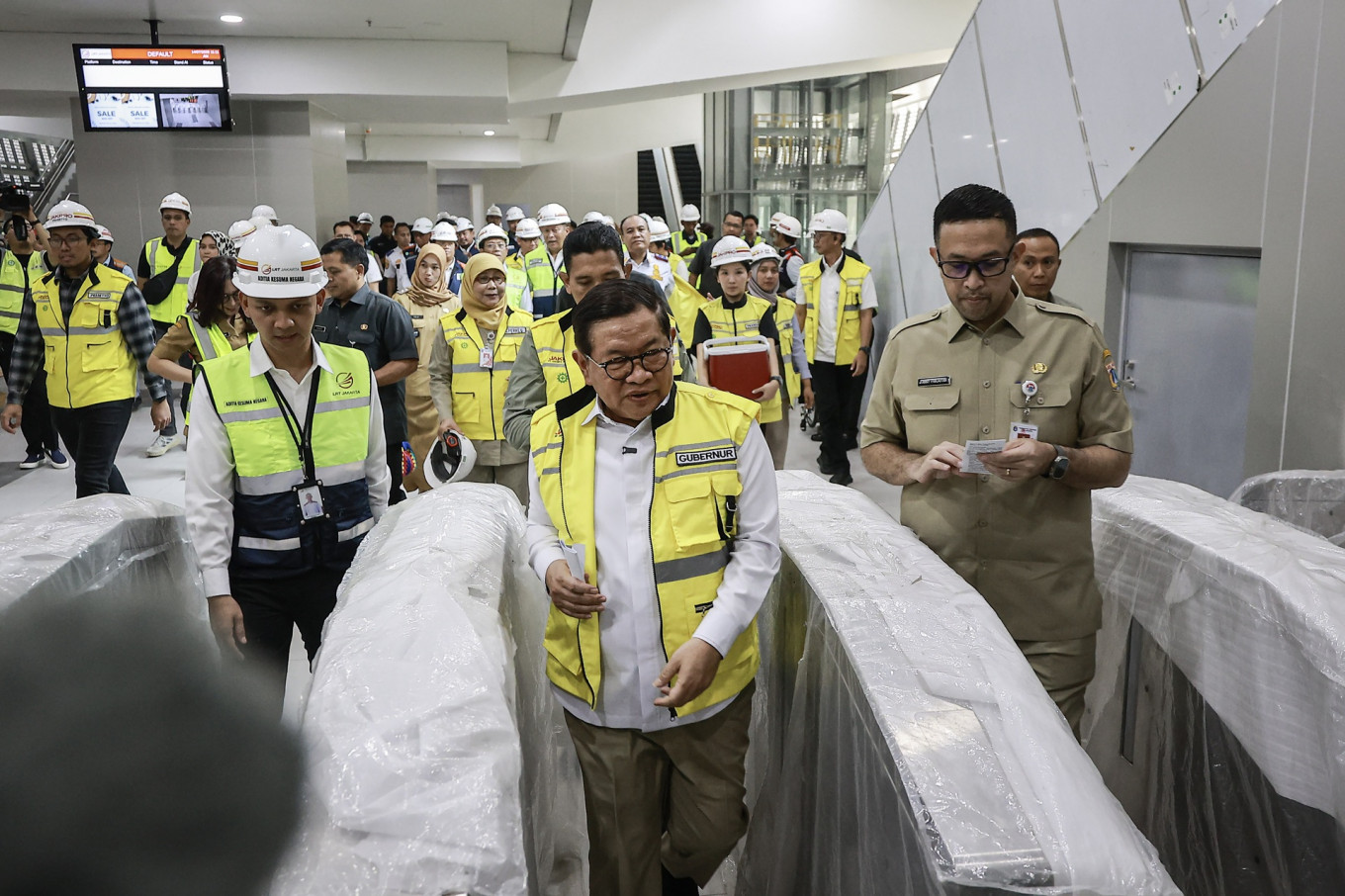 Jakarta Governor Pramono Anung (center, front) inspects a Jakarta Light Rail Transit (LRT) station under construction on July 14, 2026, in Rawamangun, East Jakarta. (Antara/Dhemas Reviyanto)
L
ast month, a pedestrian bridge on a busy South Jakarta thoroughfare went viral. Residents noticed it was poorly designed and inaccessible, a hazard to the very people it was meant to serve. Videos circulated, complaints mounted, and Governor Pramono Anung responded within days: The bridge would be replaced.
We recently described Jakarta’s governance as a “rare bright spot” amid a string of disasters and administrative shortcomings across the country. That it stands as an exception among 546 regional administrations serving over 280 million people is deeply troubling, however.
Jakarta is no backwoods town. A province-level city, it has immense wealth and prestige as the country’s economic engine. Decades on, it continues to embody Indonesia’s dream of progress, a magnet for strivers seeking higher pay and a better standard of living.
Most importantly, it remains the nation’s capital, likely for some years to come. What happens here is the face of Indonesian governance, presented to diplomats, investors and citizens seeking proof of what competent administration looks like.
People who can complain about a footbridge are fortunate enough to sit high on Maslow’s hierarchy of needs. When a constituency does not have to expend all its energy on basic survival, it has the civic bandwidth to demand thoughtful urban design.
By contrast, a citizen waiting for post-earthquake relief in a makeshift tent, or one whose regent was arrested for embezzlement three months into office, is hardly in a position to worry about curb slopes and ramp inclines.

At least 17 regional heads elected in 2024 have been arrested for alleged graft within the span of a year. The pattern is depressingly consistent: infrastructure kickbacks, illicit licensing fees, civil service posts for sale and extortion of subordinates. Most instances were not midterm lapses: Those officials had governed that way from day one.