The Jakarta Post
Please Update your browser
Your browser is out of date, and may not be compatible with our website. A list of the most popular web browsers can be found below.
Just click on the icons to get to the download page.


Popular Reads
Top Results
No results found. Please check your search term and try again
Can't find what you're looking for?
View all search results
Popular Reads
Top Results
No results found. Please check your search term and try again
Can't find what you're looking for?
View all search resultsFrom oil wealth to waqf: Building intergenerational social capital
By borrowing the institutional discipline of Norway’s sovereign wealth fund, Aceh and Indonesia can transform ancient traditions of waqf into an engine of permanent, intergenerational prosperity.
Change text size
Gift Premium Articles
to Anyone
Share the best of The Jakarta Post with friends, family, or colleagues. As a subscriber, you can gift 3 to 5 articles each month that anyone can read—no subscription needed!
 Set as preferred source
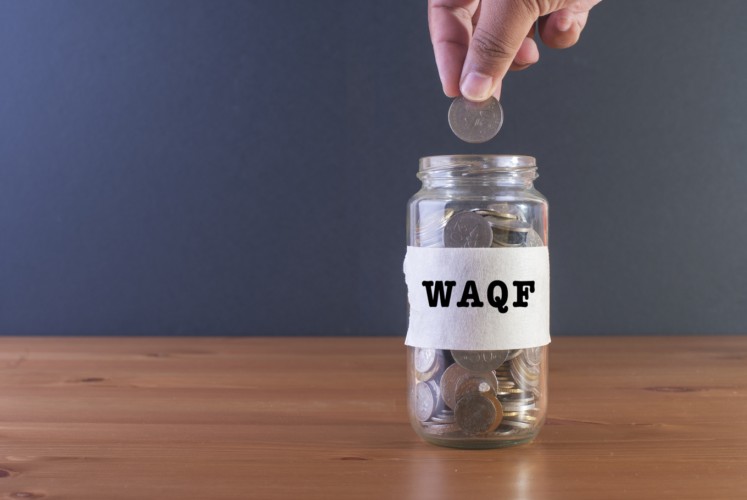
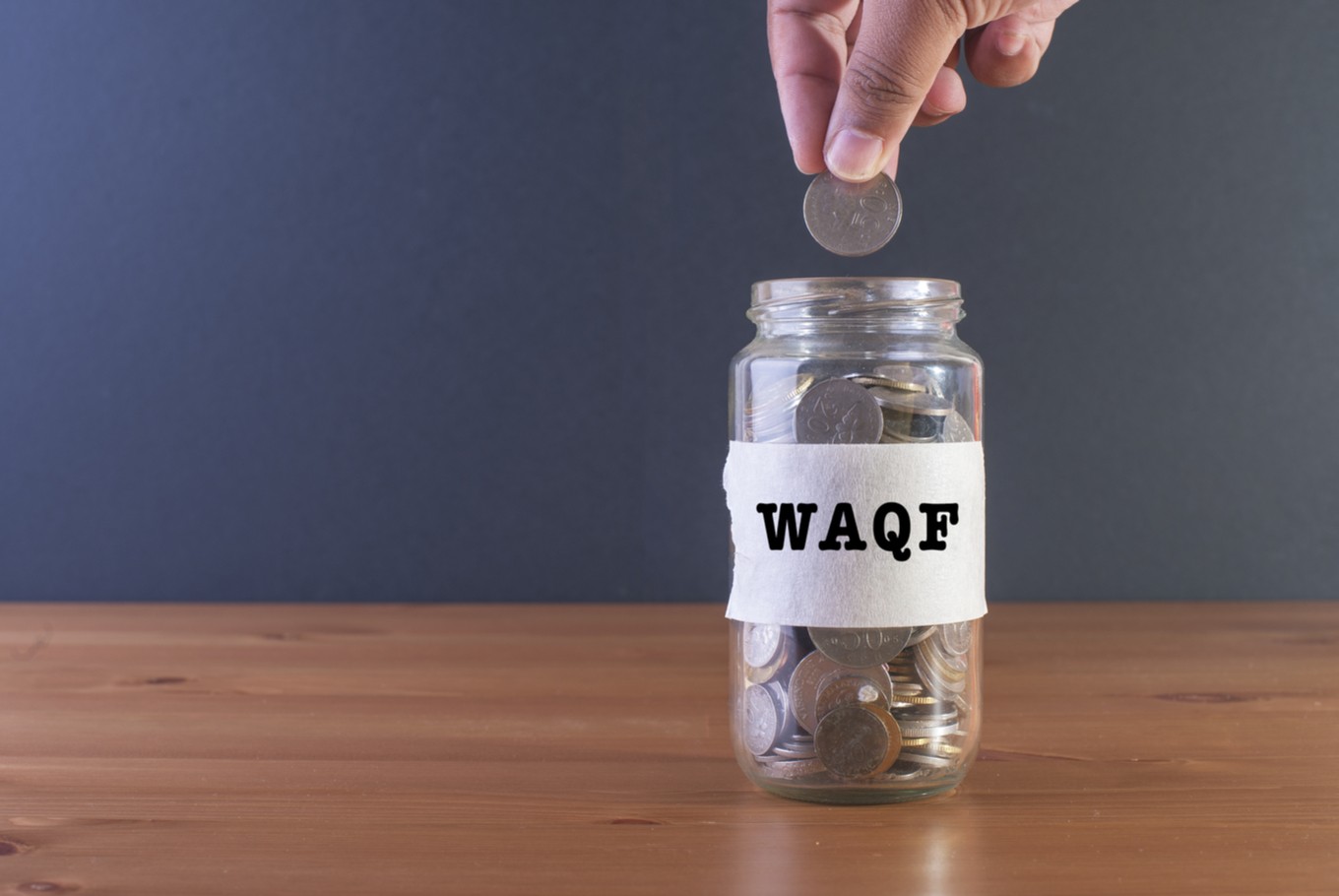 In Indonesia, waqf revival has been very significant in the past decades after the consolidation of regulation and bureaucratic procedures in the waqf sector in the form of Law No. 41 of 2004 on Waqf and the establishment of the Indonesian Waqf Board (BWI) in 2007. (Shutterstock/File)
A
t the 2026 FIFA World Cup, Norway captured global attention with the “Viking Row”. Thousands of supporters moved in unison, mimicking the rhythmic pull of oars on a longship - a striking display of shared purpose that became one of the soccer tournament’s defining images.
Yet Norway possesses another, far more consequential legacy of collective discipline. For decades, generations of Norwegians have effectively rowed their national wealth in the same direction through the Government Pension Fund Global (GPFG), now one of the world’s largest sovereign wealth funds.
What can Indonesia learn from this model? Substantially more than the disparity in revenue sources might suggest.
Norway transformed finite petroleum windfalls into durable financial assets designed to serve posterity. Indonesia possesses its own vehicle for intergenerational capital, deeply embedded in domestic culture and Islamic legal traditions, namely waqf.
The objective is not to duplicate Norway’s exact asset allocation. An Islamic endowment is not a conventional sovereign wealth fund. Rather, Indonesia should adopt the underlying institutional principles that drove Norway’s success: patient capital accumulation, rigorous separation of policy setting from professional asset management, operational cost controls and uncompromising public accountability.
Indonesia does not lack philanthropic impulse. A 2026 national survey by the Social Trust Fund (STF) at Syarif Hidayatullah State Islamic University Jakarta estimated annual religious giving - comprising zakat, infaq, sadaqah and waqf - at Rp 343 trillion (US$19 billion). However, because these instruments serve distinct legal and socioeconomic purposes, only a fraction can function as permanent capital. The core policy challenge is expanding long-term social endowments alongside necessary, direct relief.

Historically, waqf has underwritten Indonesian mosques, boarding schools, universities and healthcare facilities. In recent years, the market has introduced modern financial instruments, including Cash Waqf Linked Sukuk (CWLS) and Cash Waqf Linked Deposits (CWLD). The next step is scaling these foundational achievements.