The Jakarta Post
Please Update your browser
Your browser is out of date, and may not be compatible with our website. A list of the most popular web browsers can be found below.
Just click on the icons to get to the download page.


Popular Reads
Top Results
No results found. Please check your search term and try again
Can't find what you're looking for?
View all search results
Popular Reads
Top Results
No results found. Please check your search term and try again
Can't find what you're looking for?
View all search resultsNavigating systemic global multidimensional crises
As concurrent crises collide ahead of Bangkok’s IMF-World Bank meetings, small and emerging economies are left footing the bill for a fractured global order they did not create.
Change text size
Gift Premium Articles
to Anyone
Share the best of The Jakarta Post with friends, family, or colleagues. As a subscriber, you can gift 3 to 5 articles each month that anyone can read—no subscription needed!
 Set as preferred source
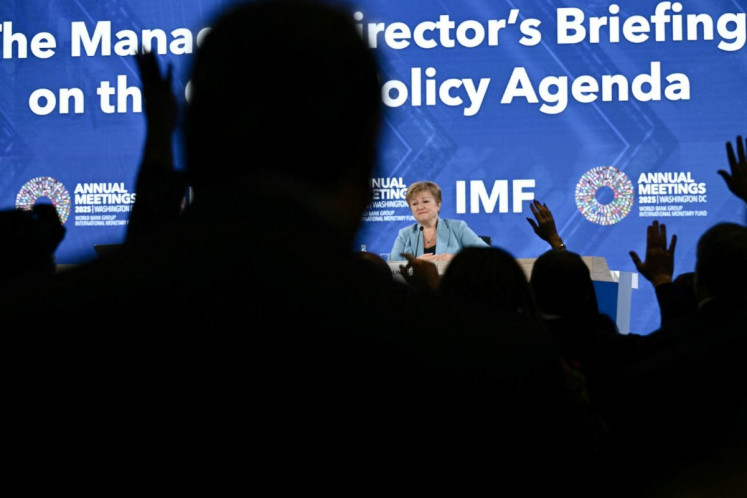
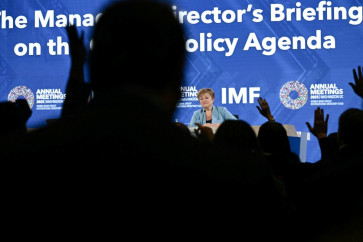
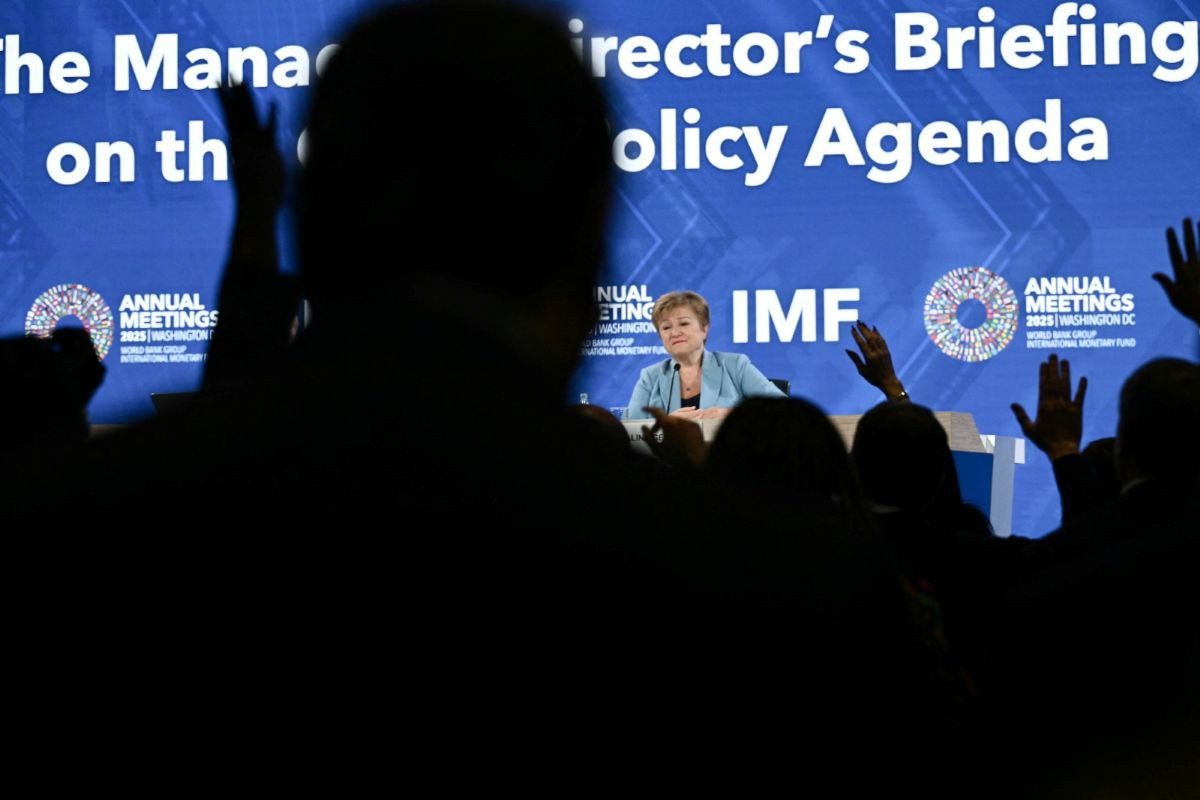 Talking point: IMF managing director Kristalina Georgieva speaks during a press conference during the IMF/World Bank annual meetings at the IMF headquarters in Washington, DC, on Oct. 16, 2025. (AFP/Brendan Smialowski)
A
s the International Monetary Fund (IMF) and World Bank prepare for their 2026 Annual Meetings in Bangkok in mid-October, IMF Managing Director Kristalina Georgieva faces an overwhelming accumulation of concurrent global shocks.
For small and medium-sized powers—especially highly exposed, export-driven or energy-importing nations—the upcoming discussions are overshadowed by systemic vulnerabilities.
There are half a dozen headaches that will keep Georgieva and the meeting participants awake at night.
Renewed debt threats are heavily penalizing developing and middle-income economies as advanced markets keep interest rates higher for longer, thanks to unwarranted conflicts, and rearmament rather than appropriate fiscal support.
First, the cost of price stability is rising. The monetary tightening by major central banks to fight lingering inflation has triggered a severe spike in debt-servicing costs globally.
Second, there’s the challenge of fiscal consolidation inertia. Global public debt is on track to surpass 100 percent of GDP by 2029. Georgieva has repeatedly flagged that while there is universal awareness of the need for fiscal discipline, governments are failing to take sufficient concrete action.

However, the problem is that this tendency for governments to prolong austerity measures or spending cuts even after an economic crisis has passed is highly counterproductive because it is fostering a self-reinforcing cycle of economic stagnation. Austerity won’t resolve effectively secular or geopolitical challenges, but it can worsen each.