The Jakarta Post
Please Update your browser
Your browser is out of date, and may not be compatible with our website. A list of the most popular web browsers can be found below.
Just click on the icons to get to the download page.


Popular Reads
Top Results
No results found. Please check your search term and try again
Can't find what you're looking for?
View all search results
Popular Reads
Top Results
No results found. Please check your search term and try again
Can't find what you're looking for?
View all search resultsWinning the fiery argument, losing the point
Political debate should do more than make us feel heard. It should help us change what needs to change.
Change text size
Gift Premium Articles
to Anyone
Share the best of The Jakarta Post with friends, family, or colleagues. As a subscriber, you can gift 3 to 5 articles each month that anyone can read—no subscription needed!
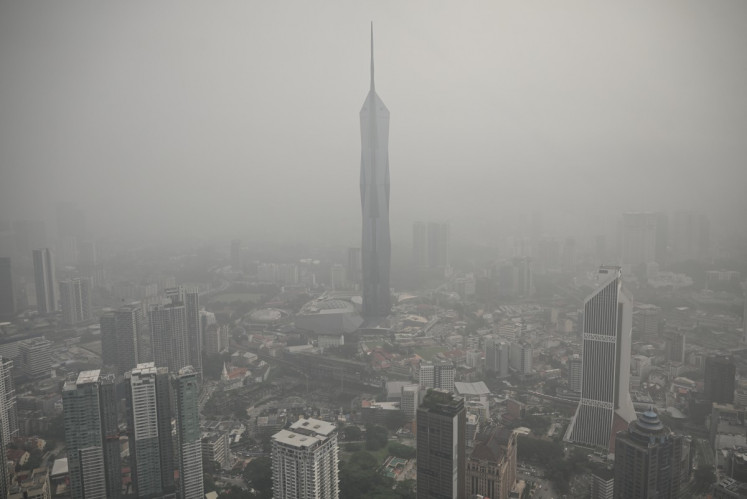
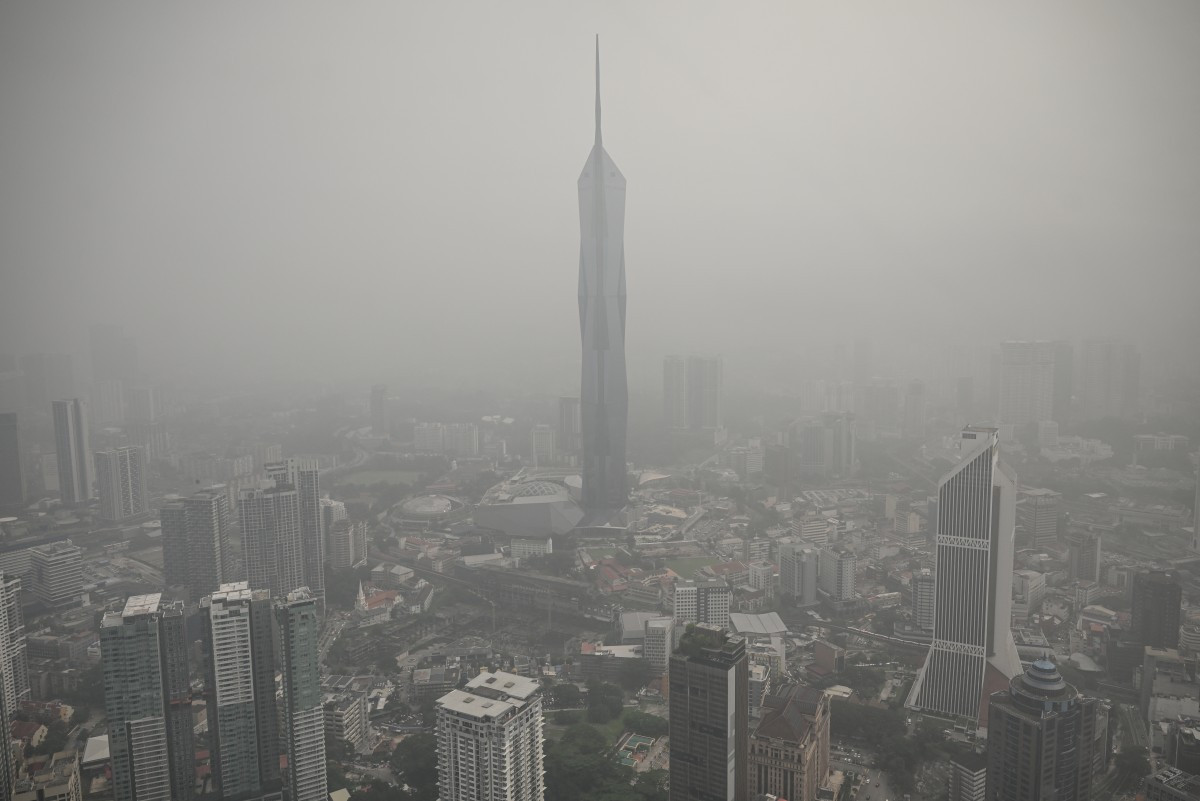 Buildings are shrouded in haze caused by fires on Oct. 16 in Kuala Lumpur. (AFP/Jam Sta Rosa)
A
forest fire breaks out, and the arguments begin. Some question the government’s response; others defend it. Soon, the debate turns to who is right, who is to blame and who has delivered the sharpest reply. A post attracts thousands of likes. Its author may even have won the argument. But the forest is still burning.
Disagreement is not the problem. Democracy depends on citizens challenging authority, exposing failures and demanding answers. The problem begins when winning an argument becomes an end in itself, detached from whether anything changes. Being heard may feel like progress, but attention alone does not put out fires, enforce regulations or prevent the next emergency.
Friedrich Nietzsche offers a useful, if limited, lens through which to consider this tendency. His posthumously assembled notes published as The Will to Power raise questions about values and the purposes of human action. Nietzsche did not write about social media. His relevance here lies in a simple question: what happens when the satisfaction of an activity replaces the purpose it was meant to serve?
Online debate makes this tension visible. A sharp accusation can attract attention in minutes. Investigating a failure, enforcing a regulation or changing administrative practice may take months. One produces a visible victory; the other demands sustained institutional work. When public attention rewards confrontation more readily than correction, the incentive to win can eclipse the obligation to resolve.
This is not merely a problem of individual behaviour. Officials may defend decisions rather than acknowledge failure, while political opponents may benefit from prolonging controversy. Digital platforms amplify confrontation, leaving the less visible work of implementation largely ignored.
Indonesia’s recurring forest and land fires illustrate the stakes. The crisis involves land use, commercial interests, regulatory enforcement, public health and the state’s capacity to prevent recurring emergencies. Responsibility for particular fires cannot be established through political accusation alone; it requires evidence.

The regional consequences are clear. On Oct. 18, The Jakarta Post reported that Singapore had issued preventive notices to seven Indonesian companies over indications that smoke from fires on land under their concessions may have reached the city-state. The notices were not criminal convictions. Allegations must be investigated, and responsibility established through evidence rather than political convenience.