The Jakarta Post
Please Update your browser
Your browser is out of date, and may not be compatible with our website. A list of the most popular web browsers can be found below.
Just click on the icons to get to the download page.


Popular Reads
Top Results
No results found. Please check your search term and try again
Can't find what you're looking for?
View all search results
Popular Reads
Top Results
No results found. Please check your search term and try again
Can't find what you're looking for?
View all search resultsAnalysis: Indonesia’s market sell-off punishes poor governance
Change text size
Gift Premium Articles
to Anyone
Share the best of The Jakarta Post with friends, family, or colleagues. As a subscriber, you can gift 3 to 5 articles each month that anyone can read—no subscription needed!
 .
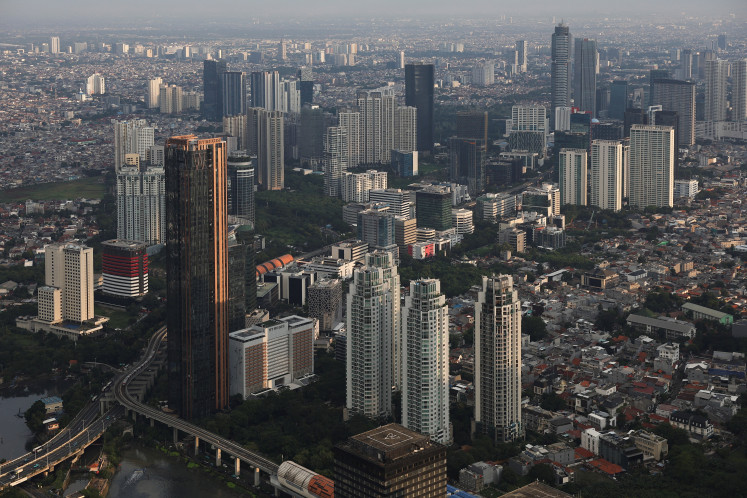
(TJP/Deni Ghifari)
L
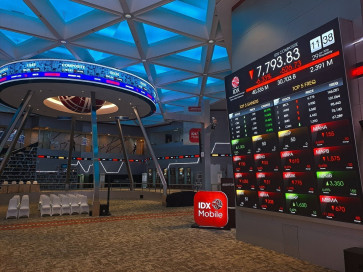
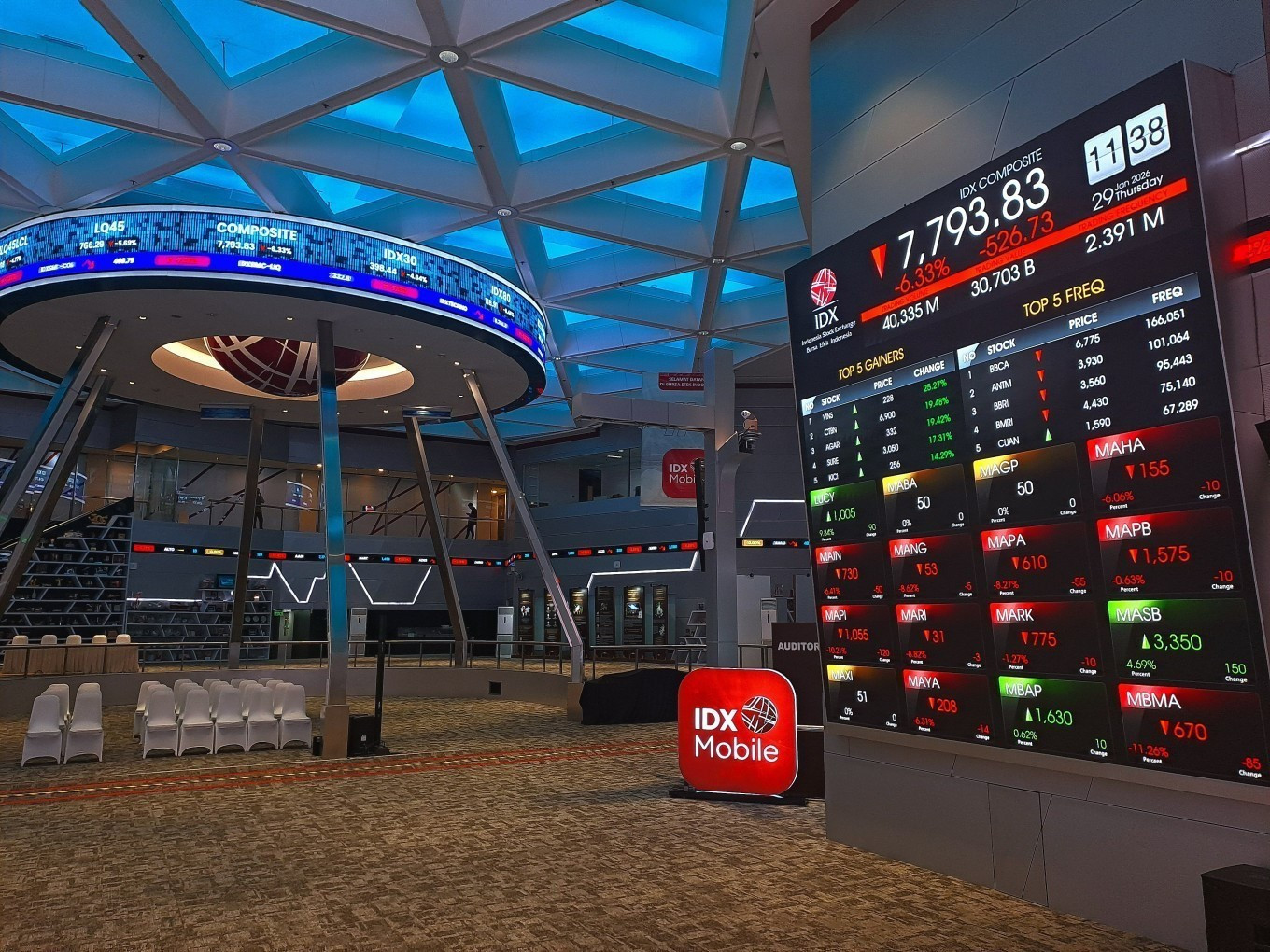
ast Friday was a Black Friday for Indonesian stocks. A market sell-off wiped out US$65 billion in value and sent the Indonesia Composite Index (IDX) plunging 11.6 percent, its steepest drop since 1998. The market did not crash because corporate fundamentals suddenly weakened, but because investors punished regulators for turning a blind eye to market abuses and acting only after MSCI forced their hand.
On Oct. 16, index provider MSCI announced that it was launching a formal consultation on whether to downgrade Indonesia from emerging-market status to a standalone market, alongside countries such as Argentina, Ukraine and Zimbabwe. This followed earlier warnings that MSCI could demote Indonesia to frontier-market status over concerns about the low free-float ratios of some listed Indonesian companies.
MSCI’s concerns about the Indonesian capital market have remained consistent throughout its announcements. Its threat in January to move Indonesia to frontier-market status, followed by its latest warning in October of a possible downgrade to standalone-market status, stemmed from concerns over opaque shareholding structures and coordinated trading.
MSCI’s June announcement raised the same issues, downgrading Indonesia’s assessment for information flow while continuing to highlight concerns about ownership transparency and coordinated trading. These concerns persisted at the time of MSCI’s latest announcement, which again cited opaque shareholding structures and coordinated trading.
Unfortunately for investors in Indonesia’s stock market, the reforms introduced in response to MSCI’s previous announcements have not been sufficient to change its assessment. The Financial Services Authority (OJK) and other market regulators have introduced several reforms, including lowering the reporting threshold for significant shareholdings to 1 percent and imposing minimum free-float requirements that apply immediately to newly listed companies. For existing listed companies, however, implementation deadlines extend from 2027 to 2029.
These reforms have largely remained on paper, and their effects have yet to be fully realized in the market. This is despite MSCI’s warning in June that Indonesia needed sustained implementation and improved market outcomes, rather than simply more regulations.

In 2024, PT Barito Renewables Energy Tbk (BREN) was expelled from the FTSE Large Cap Index over concerns about ownership concentration. The company, which conducted its initial public offering in 2023, was removed because 97 percent of its shares were held by four people. Concentrated ownership is a broader problem in Indonesia’s stock market: 63 companies with free floats of less than 10 percent account for 28.8 percent of total market capitalization on the IDX.