The Jakarta Post
Please Update your browser
Your browser is out of date, and may not be compatible with our website. A list of the most popular web browsers can be found below.
Just click on the icons to get to the download page.


Popular Reads
Top Results
No results found. Please check your search term and try again
Can't find what you're looking for?
View all search results
Popular Reads
Top Results
No results found. Please check your search term and try again
Can't find what you're looking for?
View all search resultsWhy investors should not walk away from Indonesia now
Market routs and wildfire smoke may have clouded October, but Indonesia's rock-solid fundamentals and massive infrastructure boom prove that betting against Southeast Asia’s economic heavyweight is a mistake.
Change text size
Gift Premium Articles
to Anyone
Share the best of The Jakarta Post with friends, family, or colleagues. As a subscriber, you can gift 3 to 5 articles each month that anyone can read—no subscription needed!
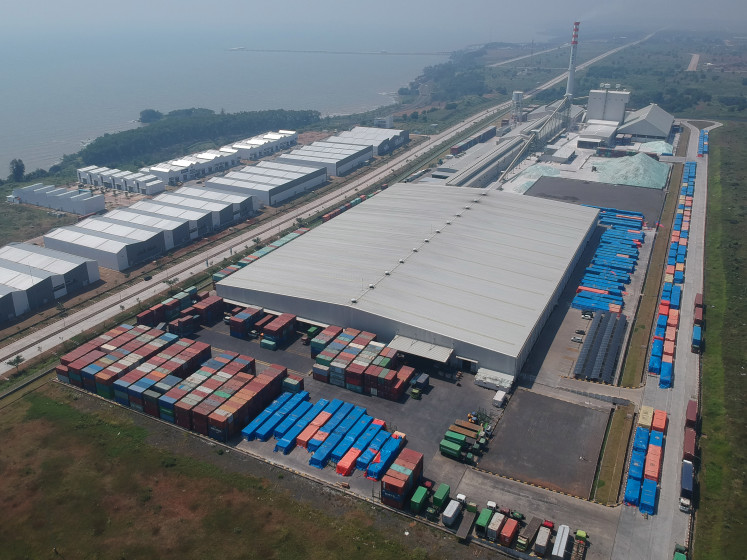
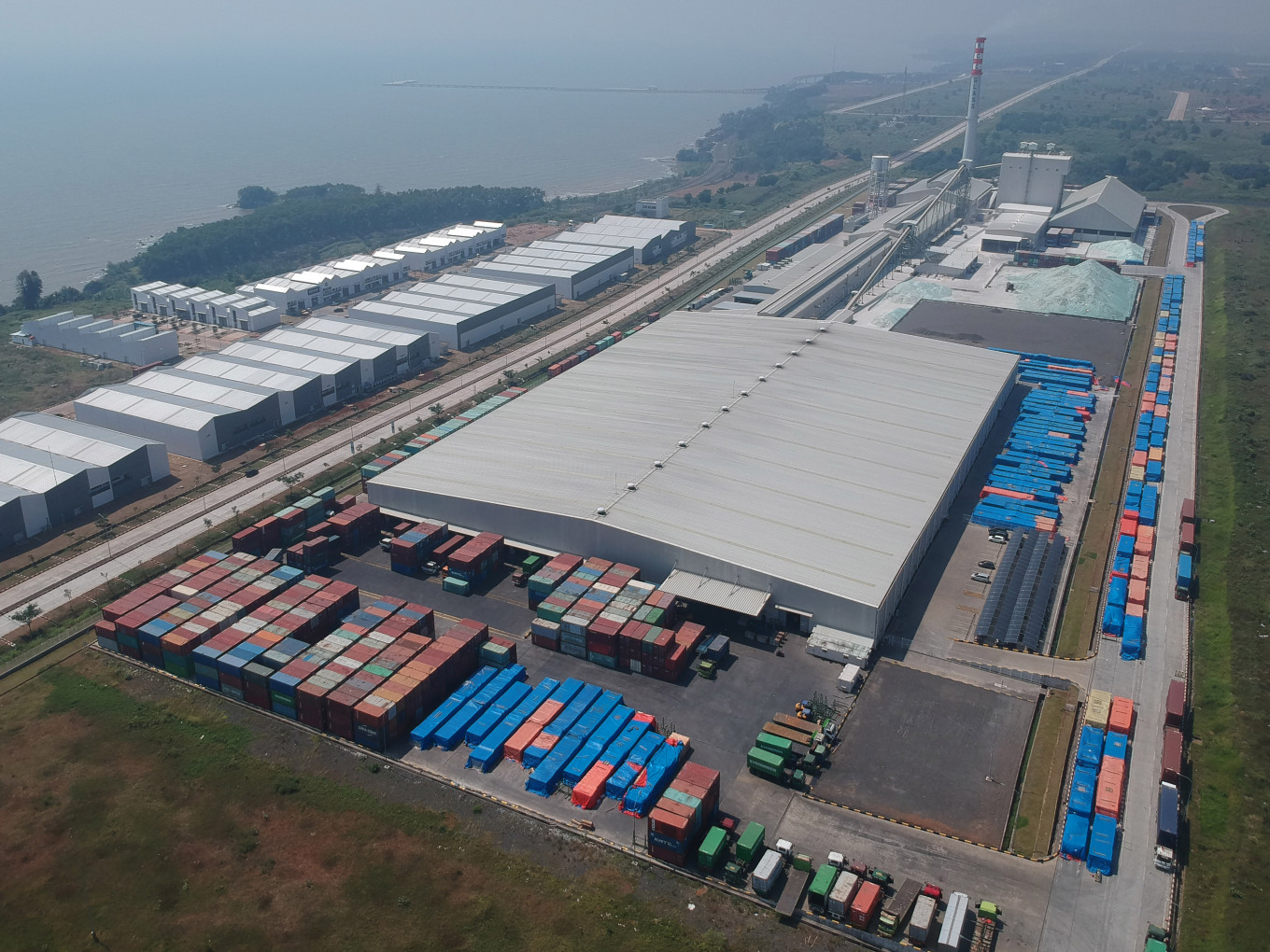 Rows of containers are stacked on July 24, 2025, in an industrial area at the Batang Industropolis, a special economic zone in Batang regency, Central Java. (Antara Foto/Harviyan Perdana Putra)
O
ctober was not easy for Indonesia. On Oct. 15, global index provider MSCI said it was reviewing the country's market status, and the Jakarta Composite Index lost more than 11 percent in the days that followed. In Kalimantan and Sumatra, the worst fires in more than a decade have burned close to 2 million hectares and sent smoke as far as Singapore, Kuala Lumpur and Manila.
The risk now is that investors abroad read October as a verdict on Indonesia when it should not be one. These problems are real but the fundamentals have not changed, and long-term decisions should weigh both.
Indonesia is the largest economy in Southeast Asia with a gross domestic product of around US$1.45 trillion in 2025, according to Statistics Indonesia (BPS) and IMF data. Growth reached 5.29 percent in the second quarter of this year, above market expectations.
The country is also the largest digital economy of the region and produced around two-thirds of the world's mined nickel last year, according to S&P Global.
Meanwhile, capital is still coming. From January to September, Indonesia recorded realized investment of around $85 billion, three-quarters of the annual target, according to the Investment Ministry. In the second quarter, Hong Kong, Singapore, China, Japan and Malaysia accounted for around 80 percent of foreign investment. European companies appear more cautious. They may ask themselves why their Asian competitors are still betting on Indonesia.
The Finance Ministry estimates national infrastructure needs at around $625 billion for 2025-2029, and public budgets can cover only around 40 percent of it. Transport, power, water and digital networks will all need private capital.

In the electricity sector, PLN's electricity plan for 2025-2034 calls for 69.5 gigawatts (GW) of new capacity, around three-quarters of it renewables and storage, and expects demand to grow around 65 percent over the decade. The extra demand alone equals around 80 percent of what Spain consumes in a year.