The Jakarta Post
Please Update your browser
Your browser is out of date, and may not be compatible with our website. A list of the most popular web browsers can be found below.
Just click on the icons to get to the download page.


Popular Reads
Top Results
No results found. Please check your search term and try again
Can't find what you're looking for?
View all search results
Popular Reads
Top Results
No results found. Please check your search term and try again
Can't find what you're looking for?
View all search resultsAnalysis: Indonesia takes backward step with gas export cuts
Change text size
Gift Premium Articles
to Anyone
Share the best of The Jakarta Post with friends, family, or colleagues. As a subscriber, you can gift 3 to 5 articles each month that anyone can read—no subscription needed!
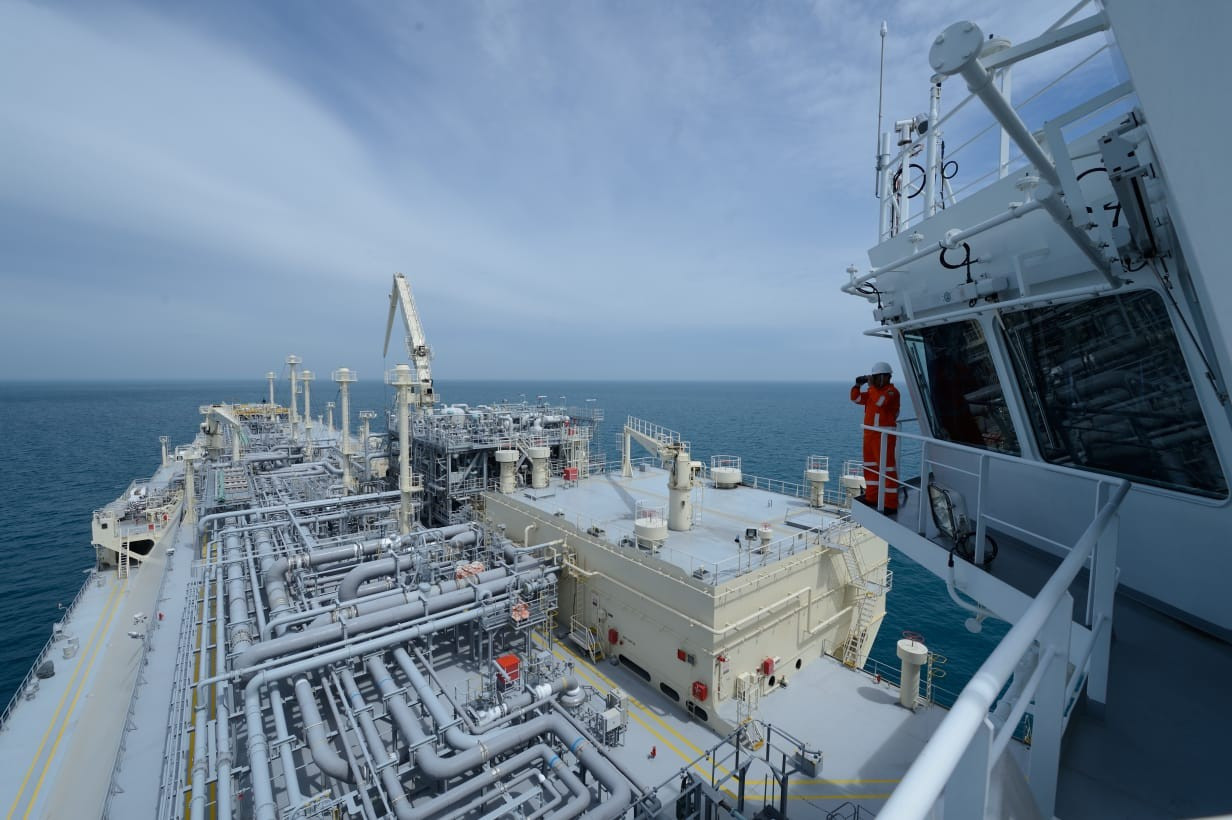 A floating storage and regasification unit (FSRU) belonging to PT Perusahaan Gas Negara (PGN), the Jakarta-listed gas company of state-owned oil and gas giant Pertamina, operates in the waters of Lampung in this undated photograph. (PGN/PGN)
T
he government’s decision to further reduce natural gas exports to Singapore may strengthen domestic energy supplies, but it risks undermining the country's credibility as a reliable trading partner. The move, justified on energy security grounds, could unsettle investors, strain relations with Singapore and weaken ASEAN's efforts to build an integrated regional energy market.
Following a plenary cabinet meeting in Jakarta on Oct. 1, the government announced that it would reduce Indonesia’s natural gas exports to Singapore over energy security concerns during crises. President Prabowo Subianto pointed out that many countries prioritized their own needs in times of crisis and described the prevailing geopolitical environment as one lacking international order in which only strong countries would survive.
Prabowo has taken a more direct role in defining Indonesia's foreign policy goals and their implementation, which reflects his broader domestic policy orientation toward greater centralization under presidential control. One consequence of this centralized, personality-driven approach is that foreign policy decisions increasingly rest with him.
Given Prabowo's worldview that the nation is being exploited by domestic and global elites, along with his emphasis on survival during crises, it is hardly surprising that some within the government have adopted a more confrontational stance in international relations. After all, the Prabowo administration has a track record of attributing setbacks and dissent to “antek-antek asing” (foreign stooges). Indonesia's recent moves regarding Singapore appear to follow a similar pattern.
The two countries are already embroiled in a diplomatic dispute over the wildfires in Kalimantan, both sides blaming companies linked to the other for the fires. Adding to the tension is Jakarta’s allegation that Singapore was behind MSCI's latest announcement on possibly downgrading the Indonesia Stock Exchange to “standalone” status over market transparency concerns.
Even if energy security concerns are driving the government’s decision to reduce gas exports to the island nation, political factors cannot be ruled out. And the move could have far-reaching consequences beyond Indonesia's immediate relationship with Singapore.

Indonesia previously reduced gas exports to Singapore last year, also citing domestic energy needs as the primary concern. Afterward, Energy and Mineral Resources Minister Bahlil Lahadalia reassured gas exporters that there would be no further reductions to export quotas in 2026, whether for existing contracts or spot agreements. Local gas exporters were therefore caught off guard when Bahlil suddenly announced another cut in quotas to Singapore.