The Jakarta Post
Please Update your browser
Your browser is out of date, and may not be compatible with our website. A list of the most popular web browsers can be found below.
Just click on the icons to get to the download page.


Popular Reads
Top Results
No results found. Please check your search term and try again
Can't find what you're looking for?
View all search results
Popular Reads
Top Results
No results found. Please check your search term and try again
Can't find what you're looking for?
View all search resultsProtecting Asia-Pacific farms past borders
From migratory seabirds to family dinner tables, stopping the next pandemic demands that we treat animal, human, and ecological health as one shared frontline.
Change text size
Gift Premium Articles
to Anyone
Share the best of The Jakarta Post with friends, family, or colleagues. As a subscriber, you can gift 3 to 5 articles each month that anyone can read—no subscription needed!
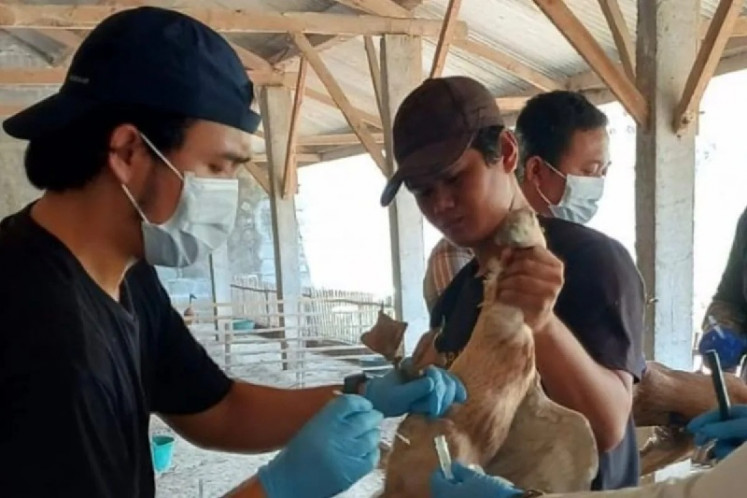
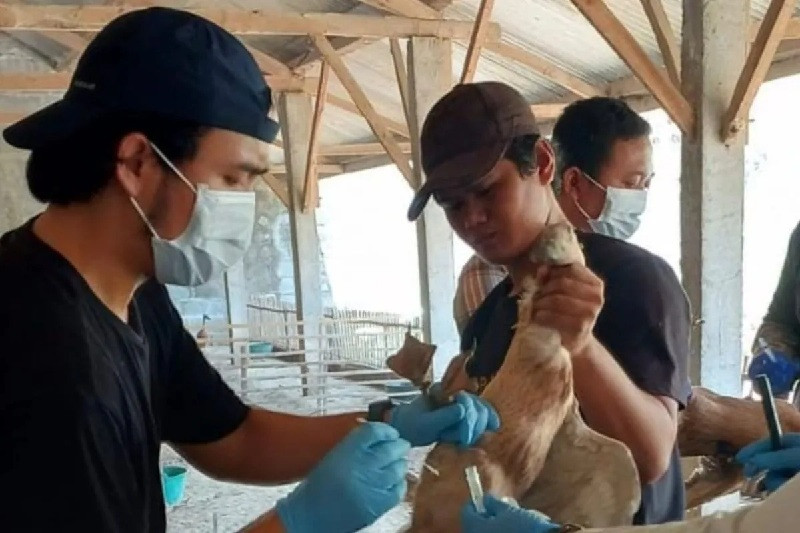 Officers collect cloacal swabs and blood samples as part of avian influenza detection efforts in Probolinggo regency, East Java, on Sept. 22, 2025. (Antara/Probolinggo Communications and Information Agency)
F
or more than two decades, avian influenza has threatened poultry production, farmers’ livelihoods and public health across Asia and the Pacific. The threat continues today.
In March 2026, testing of sick and dead poultry in Cambodia prompted investigations that identified a human H5N1 infection. In June, Australia confirmed its first detection of the globally circulating H5N1 virus in a migratory seabird.
These events remind us that disease threats do not begin or end at the farm gate. Avian flu can spread among birds and occasionally infect people, across the boundaries between farms, wildlife and the environment. Protecting farms means understanding, and reducing, risks beyond them.
On Oct. 12, the United Nations General Assembly adopted a Political Declaration on Pandemic Prevention, Preparedness and Response, urging governments to address the “root causes and drivers” of emerging and re-emerging infectious diseases, including zoonoses, through a One Health approach that recognizes the links between human, animal and environmental health.
As environmental changes intensify, One Health’s focus on interconnectedness grows more critical. Climate change, human encroachment and ecosystem degradation create more opportunities for viruses to spread. Animal health’s link to the environment also deserves greater attention as climate variability and impacts, such as stronger El Niño events, increase.
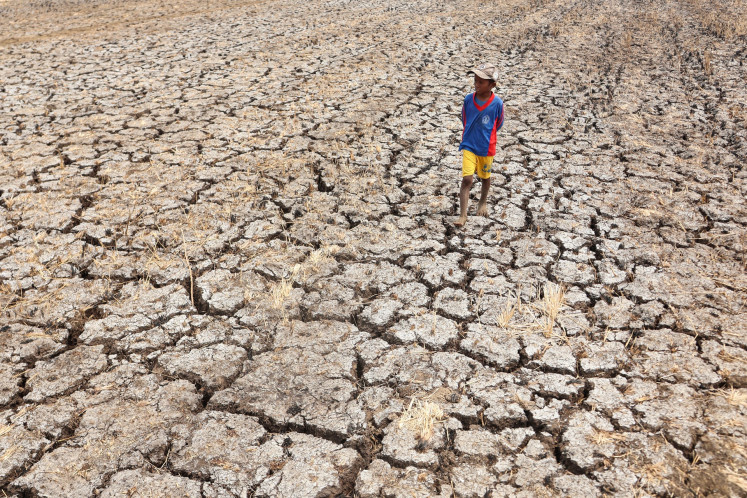
The World Meteorological Organization expects El Niño to peak in late 2026, bringing drought and heavy rainfall to different regions. This could disrupt livestock production and water supplies, affecting local disease risks. Runoff from poultry farms can carry waste, feed, antimicrobials, and pathogens downstream, spreading disease among people and animals.

Asia-Pacific nations have advanced disease surveillance, but detection alone is not enough, prevention is paramount. Cross-sector information sharing between farmers and governments enables early identification of emerging risks and prompt action before diseases spread.