The Jakarta Post
Please Update your browser
Your browser is out of date, and may not be compatible with our website. A list of the most popular web browsers can be found below.
Just click on the icons to get to the download page.


Popular Reads
Top Results
No results found. Please check your search term and try again
Can't find what you're looking for?
View all search results
Popular Reads
Top Results
No results found. Please check your search term and try again
Can't find what you're looking for?
View all search resultsAnalysis: Censorship by proxy: Who is silencing coverage on fires?
Change text size
Gift Premium Articles
to Anyone
Share the best of The Jakarta Post with friends, family, or colleagues. As a subscriber, you can gift 3 to 5 articles each month that anyone can read—no subscription needed!
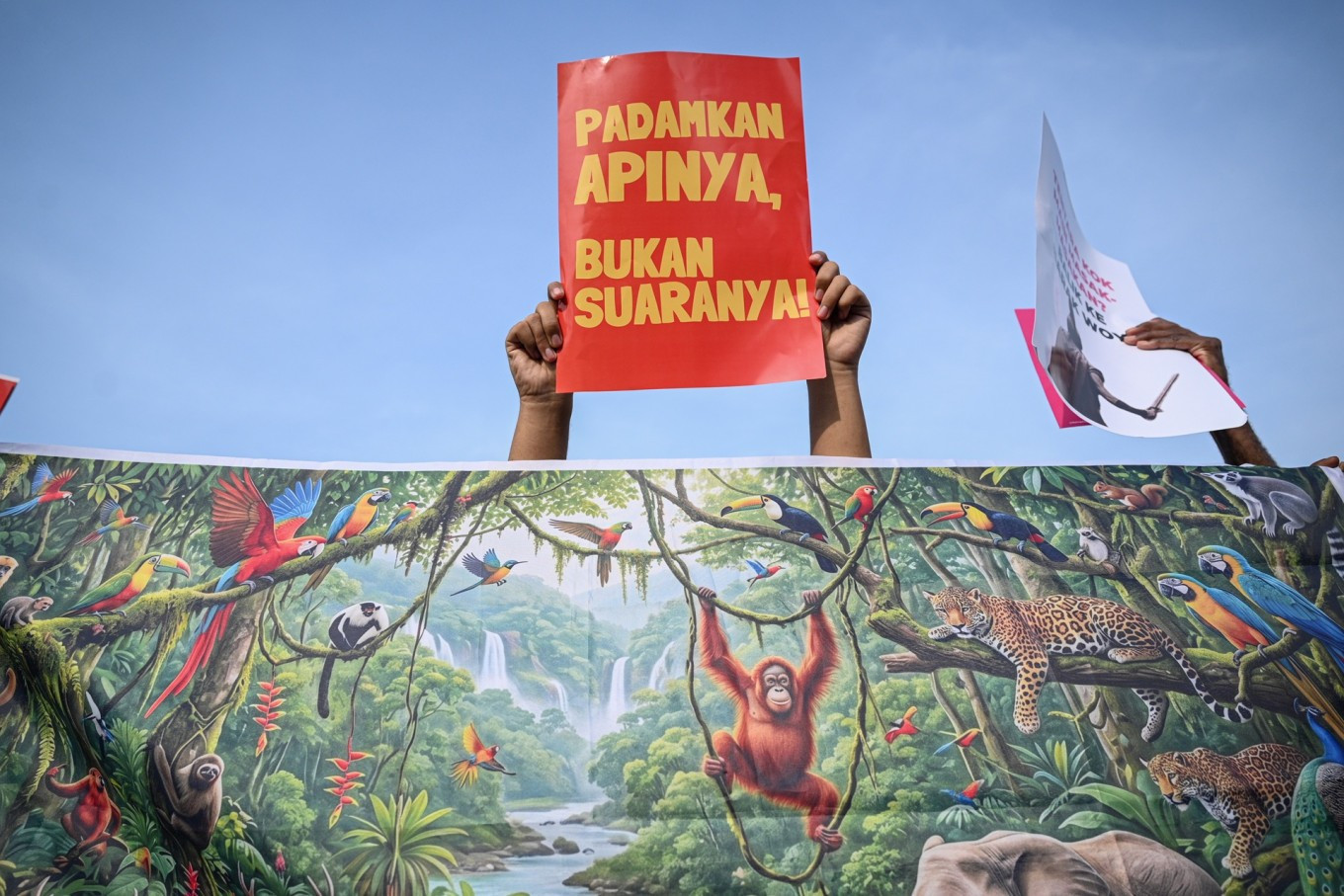 A protester holds a banner that reads “Put out the fire, not people's voice!“ during a demonstration marking the second anniversary of President Prabowo Subianto and Vice President Gibran Rakabuming Raka's administration at the Tugu Tani monument in Central Jakarta on Oct. 20, 2026. ( Antara/Fauzan)
A
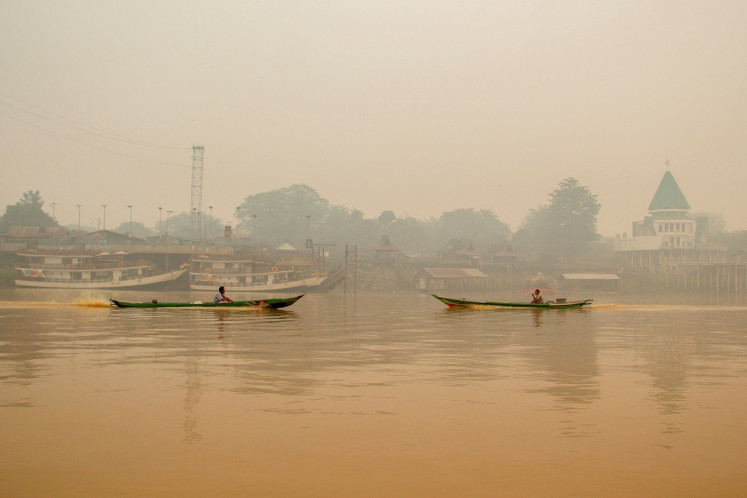
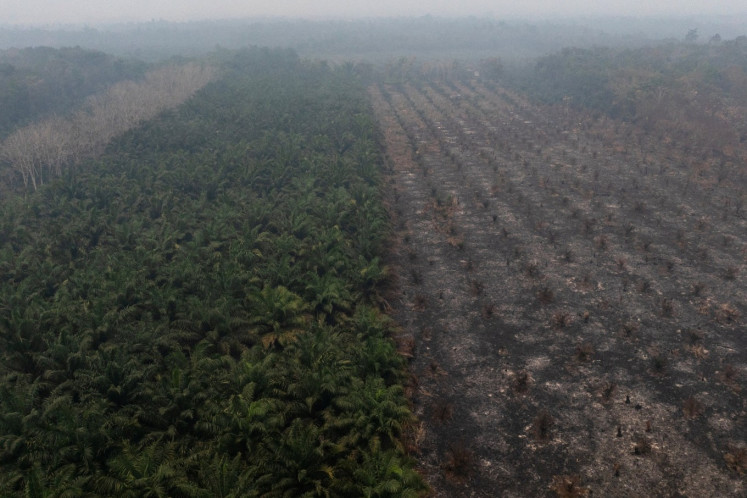
s toxic haze from seasonal forest and peatland fires blanketed swaths of Sumatra, Kalimantan and Papua, a second crisis unfolded online: Content creators, civil society organizations, environmental activists and regional officials reported a sudden wave of digital suppression.
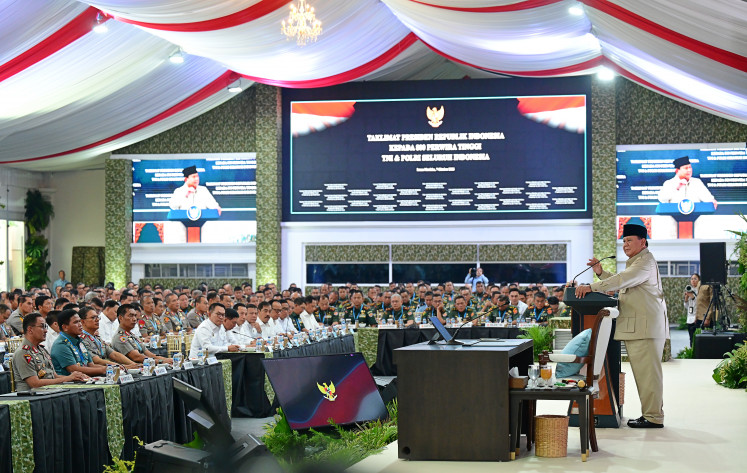
Eyewitness footage of burning peatlands was flagged as sensitive, awareness campaigns were down-ranked and high-visibility posts were abruptly removed, among them a viral video by Siak Regent Afni Zulkifli documenting postfire reforestation efforts. When netizens accused the government of state-sponsored censorship, Communications and Digital Minister Meutya Hafid issued a firm denial. The ministry had not submitted any takedown orders for forest fire content to social media platforms, she said, stressing that real-time public reporting was vital for emergency response.
That raised an obvious question: If the state was not behind the suppression, who was responsible?
The answer points to major platforms such as Meta, TikTok and X, whose silence obscures a broader legal and structural shift. Under a 2020 ministerial regulation and subsequent compliance directives, the government has effectively outsourced moderation to private companies. Platforms can be penalized for failing to police “prohibited content” and content deemed to cause “public unrest”, which has pushed them to act preemptively as censors through opaque algorithmic suppression and protect themselves from potential sanctions.
Netizens and public figures noticed that posts raising awareness about haze and forest destruction immediately suffered severe drops in reach. Activist accounts were suspended and videos documenting environmental rehabilitation were removed under vague terms of service provisions.
Despite the public outcry, the platforms stayed silent. They offered no explanations to affected creators, nor did they say whether automated filters had misclassified disaster reporting. That silence may serve a corporate strategy: By presenting mass content removal as routine terms of service enforcement, platforms limit their exposure to local liabilities and avoid friction with host governments.

Under the 2020 regulation, foreign and domestic private electronic system operators (PSE) face strict compliance rules. Standard takedown requests must be actioned within 24 hours, while content deemed a threat to public safety, public order or national security must be taken down within just four. The definition for “prohibited content” is broad and ambiguous, covering material deemed to cause “public anxiety” or disturb “public order”. Noncompliance can bring heavy fines, operational sanctions and a nationwide block.