The Jakarta Post
Please Update your browser
Your browser is out of date, and may not be compatible with our website. A list of the most popular web browsers can be found below.
Just click on the icons to get to the download page.


Popular Reads
Top Results
No results found. Please check your search term and try again
Can't find what you're looking for?
View all search results
Popular Reads
Top Results
No results found. Please check your search term and try again
Can't find what you're looking for?
View all search resultsCracks behind growth
Indonesia’s robust 5.47 percent growth looks impressive on paper, but weakening consumer spending, rising unemployment and a strained state budget suggest the headline boom may be masking serious trouble ahead.
Change text size
Gift Premium Articles
to Anyone
Share the best of The Jakarta Post with friends, family, or colleagues. As a subscriber, you can gift 3 to 5 articles each month that anyone can read—no subscription needed!
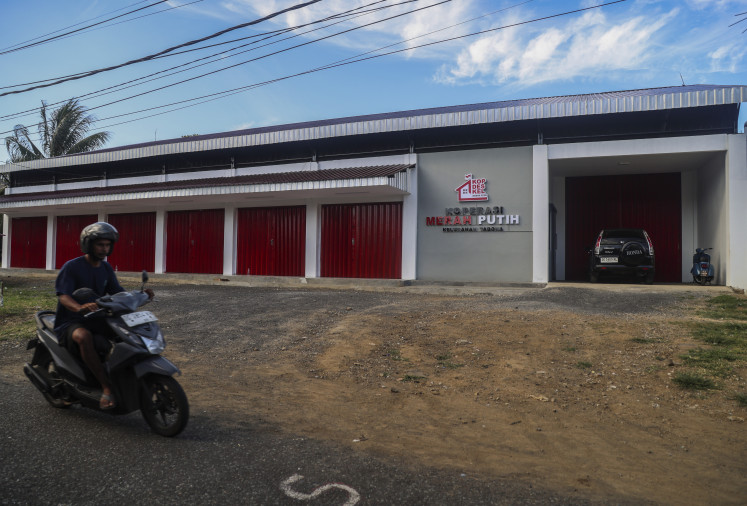
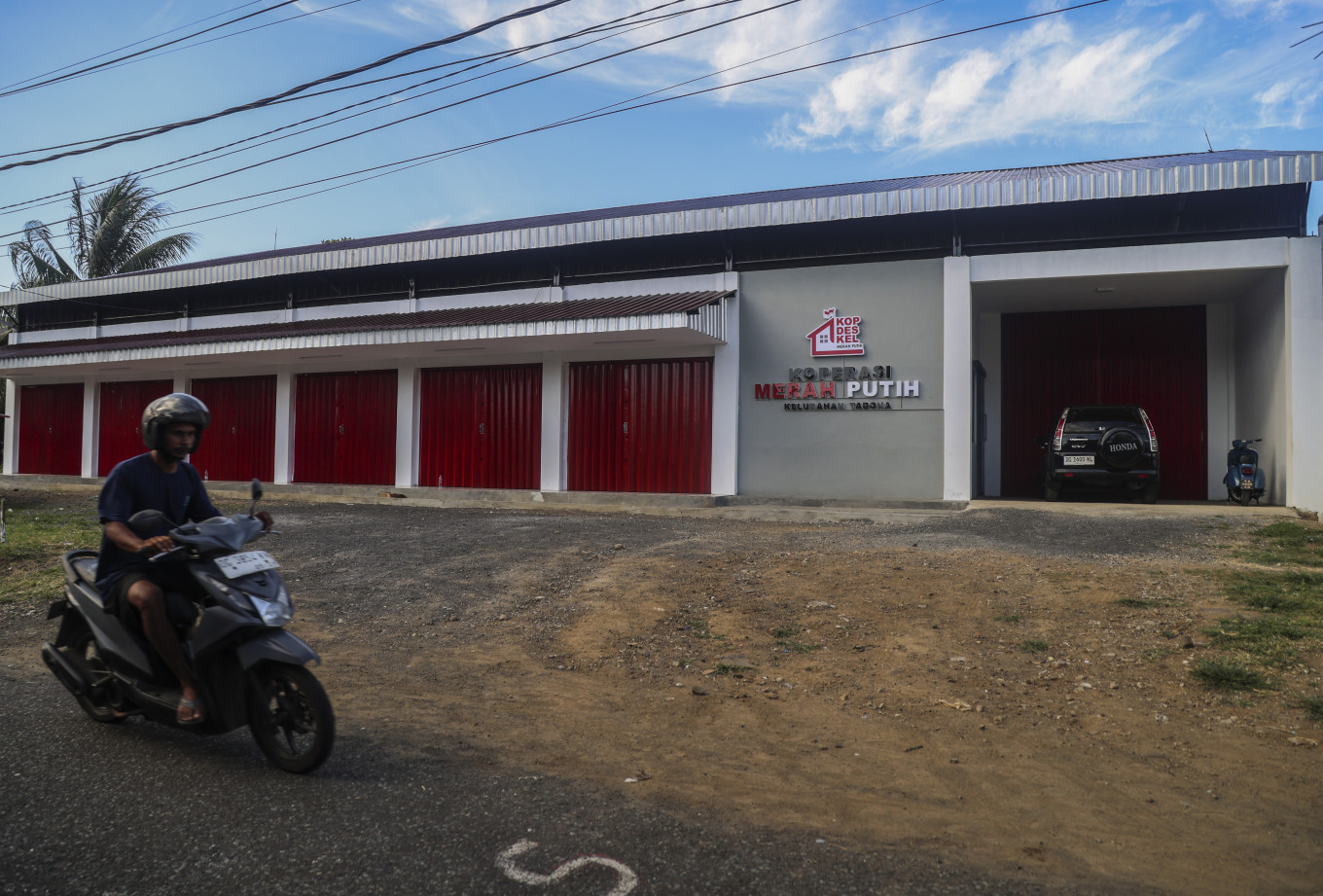 A motorcyclist rides past a Red and White Cooperatives outlet that has yet to begin operations in Ternate, North Maluku, on July 11, 2026. The government aims to have 40,000 cooperatives operating by the end of 2026 as part of efforts to strengthen rural economies, complete cooperative facilities and prepare professional staff to manage the program. (Antara/Andri Saputra)
I
ndonesia has absorbed a barrage of external and domestic shocks since the start of the year. The United States war on Iran has inflated the country's energy import bill, MSCI warnings have sent its stock market tumbling, making it the world's worst performer, and public grievances over forest fires and the rising cost of living have fueled waves of protests.
Yet, despite mounting pressures, Southeast Asia’s largest economy posted robust growth through the third quarter. While headline figures suggest resilience, they do not tell the whole story.
Gross domestic product (GDP) expanded by 5.47 percent year-on-year (yoy) in the third quarter, handily beating most forecasts and accelerating from 5.29 percent in the second quarter. This brought growth for the first nine months of the year to 5.45 percent, up from 5.01 percent in the same period last year.
Although this trajectory remains well short of President Prabowo Subianto's ambitious 8 percent target by 2029, it remains a respectable performance at a time when global headwinds, political instability, economic fragmentation and climate disruptions, have dragged on growth worldwide, including in China.
However, the recent expansion relies heavily on two drivers that will be difficult to sustain: an improving trade balance and heightened government spending. The former remains exposed to volatile global markets and geopolitical turmoil, while the latter reflects aggressive outlays on President Prabowo's flagship initiatives, such as the free nutritious meal program and Red and White Cooperatives. This spending adds severe pressure to a state budget already straining to keep the fiscal deficit beneath the statutory ceiling of 3 percent of GDP, eroding the government's fiscal headroom to absorb future shocks.
At the same time, consumer spending, the primary engine of the Indonesian economy, accounting for over half of GDP, grew by just 5.04 percent yoy in the third quarter, softening from 5.06 percent in the previous three months. Its share of total output fell to 51.97 percent from 53.32 percent in the second quarter, marking its lowest level since the third quarter of 2022.

Indonesian manufacturers appear optimistic on the surface, as evidenced by rising inventories. However, some analysts contend that firms are building up stock not in anticipation of robust end demand, but as a precautionary buffer against supply disruptions in energy and raw materials.