The Jakarta Post
Please Update your browser
Your browser is out of date, and may not be compatible with our website. A list of the most popular web browsers can be found below.
Just click on the icons to get to the download page.


Popular Reads
Top Results
No results found. Please check your search term and try again
Can't find what you're looking for?
View all search results
Popular Reads
Top Results
No results found. Please check your search term and try again
Can't find what you're looking for?
View all search resultsHaze crisis tests public trust and diplomatic credibility
The recurring fires in Kalimantan, Sumatra and Papua point to a deeper governance challenge: the ability of the state to prevent environmental disasters, enforce accountability and protect the people who bear their consequences.
Change text size
Gift Premium Articles
to Anyone
Share the best of The Jakarta Post with friends, family, or colleagues. As a subscriber, you can gift 3 to 5 articles each month that anyone can read—no subscription needed!
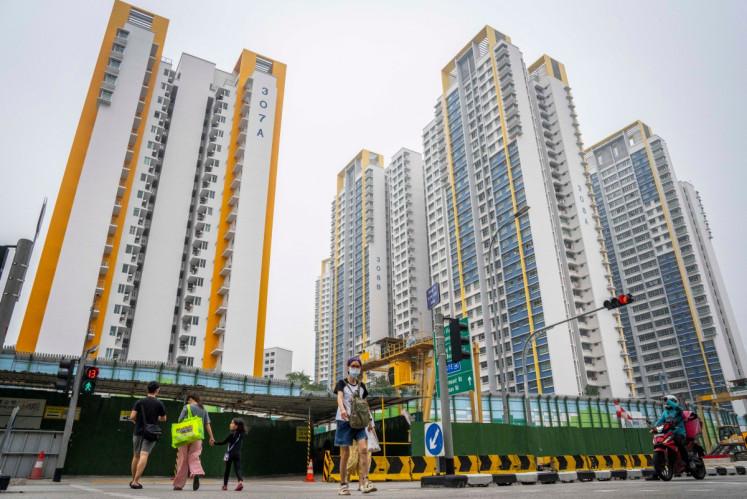
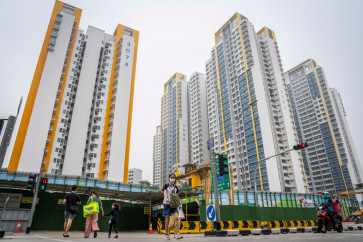
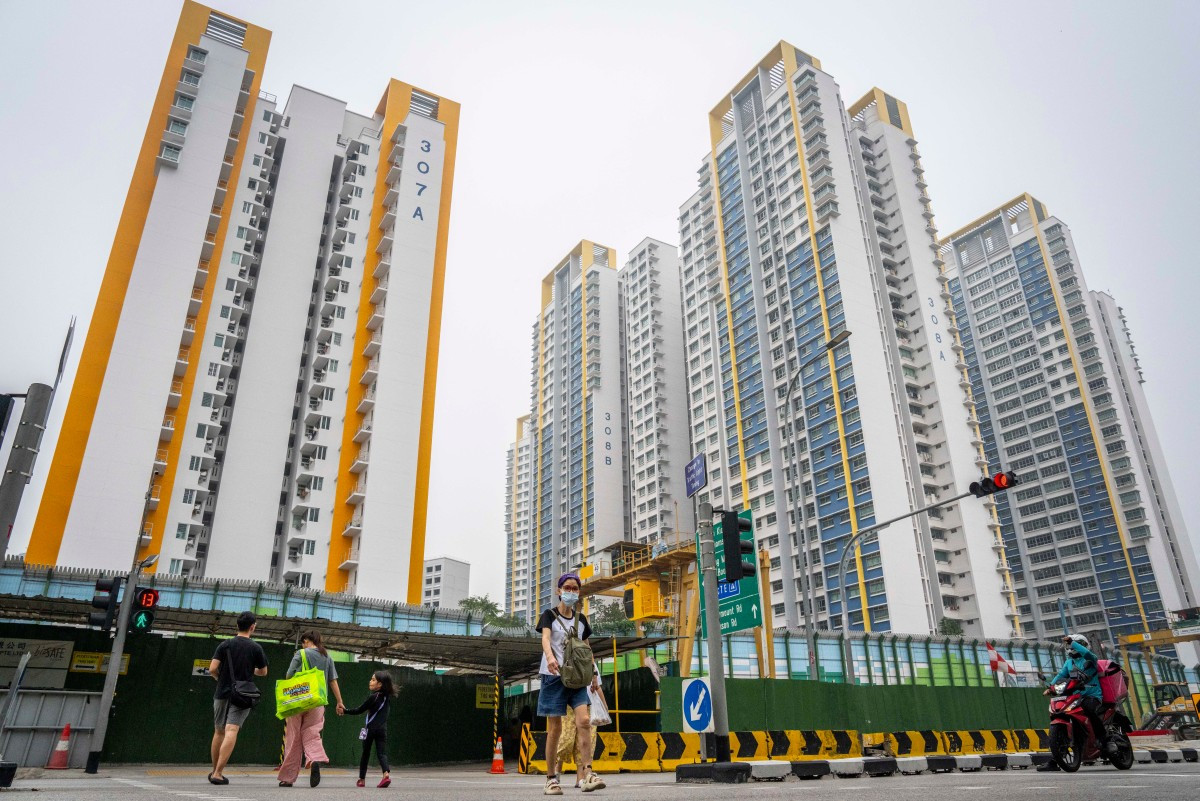 A woman wearing a face mask crosses a street on Oct. 17 in front of government public housing apartments in Singapore, as the country continues to be shrouded in haze caused by fires in Indonesia. (AFP/Yuichi Yamazaki)
T
he recurring haze crisis is primarily driven by forest and land fires in these regions. These fires are largely associated with land clearing and agricultural activities, while prolonged dry conditions further intensify their spread.
The extent of the damage is alarming. According to environmental organization Auriga Nusantara, more than 637,000 hectares of land were damaged between January and August 2026, an area nearly nine times the size of Singapore. The figure is even higher according to the deforestation monitor Nusantara Atlas, which estimates that nearly 900,000 ha have been affected.
Beyond these statistics, the repercussions are already being felt in our daily lives. We are breathing in fine particulate matter (PM2.5), one of the most harmful air pollutants. A report published by the Centre for Research on Energy and Clean Air (CREA) on 29 October 2026 estimated that 3,560 deaths in Indonesia were attributable to short-term exposure to PM2.5 pollution from forest and land fires in September alone.
While these figures are important, recognizing the multiple factors contributing to the crisis should not dilute the question of accountability.
The challenge before us is not simply to acknowledge the extent of the damage, but to address the underlying causes of the fires, the conditions that allow them to spread, and the consequences borne by affected communities. This requires an integrated environmental governance system that places public and environmental welfare at its center.
At its core, Indonesia’s haze crisis reflects not merely the consequences of irresponsible corporate practices, but also the limitations of a governance system that has struggled to ensure that private economic interests remain accountable to public and environmental welfare.

Indonesia has experienced recurring episodes of forest and land fires for decades. The question, therefore, should not simply be how the fires happened, but why they continue to recur. Why have domestic policy measures fallen short of preventing their recurrence? And why do the economic interests behind land-clearing activities continue to take precedence over environmental protection and public welfare?