The Jakarta Post
Please Update your browser
Your browser is out of date, and may not be compatible with our website. A list of the most popular web browsers can be found below.
Just click on the icons to get to the download page.


Popular Reads
Top Results
No results found. Please check your search term and try again
Can't find what you're looking for?
View all search results
Popular Reads
Top Results
No results found. Please check your search term and try again
Can't find what you're looking for?
View all search resultsAnalysis: Incentives vs. free meals: Regions compete for fiscal relief
Change text size
Gift Premium Articles
to Anyone
Share the best of The Jakarta Post with friends, family, or colleagues. As a subscriber, you can gift 3 to 5 articles each month that anyone can read—no subscription needed!
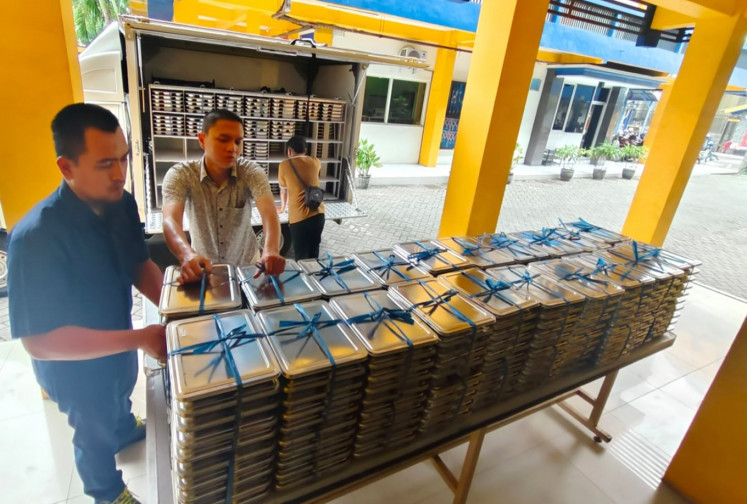
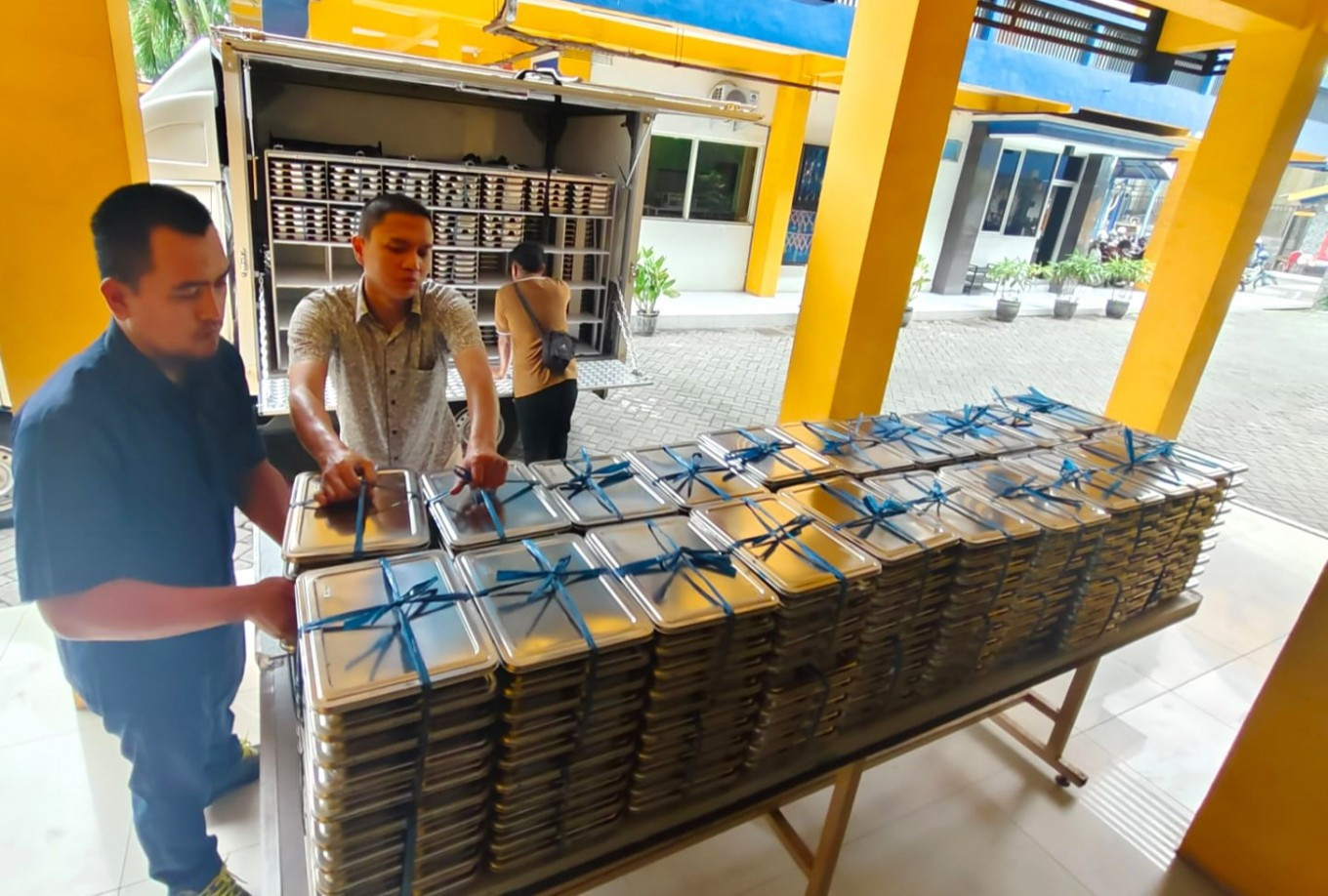 Ready-to-eat: Workers unload lunch boxes from a van on Jan. 6, 2025, the first day of the free meals program, at a high school in Sidoarjo Regency, East Java. (JP/Wahyoe Boediwardhana)
T
he government’s decision to incorporate implementation of the free nutritious meal (MBG) program into the performance criteria for the regional incentive fund (DID) has raised eyebrows. While the fund’s framework is accompanied by plans for additional regional assistance, whether these measures can meaningfully ease regional fiscal pressures amid austerity remains uncertain.
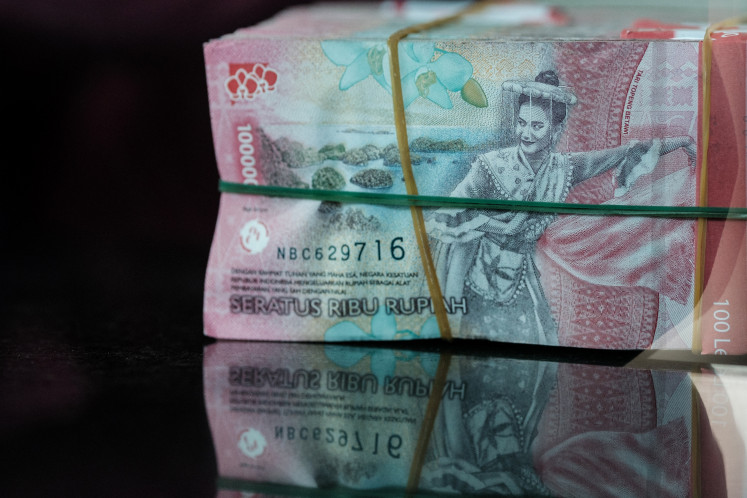
The Finance Ministry has earmarked Rp 1 trillion (US$55.36 million) for the DID under the 2027 state budget, to be distributed conditionally to high-performing regional administrations. In place since 2010, the annual incentive scheme assesses regions against indicators including inflation control, environmental quality and budget execution, according to Finance Minister Suahasil Nazara, and regional administrations are expected to prepare accordingly. The government has also allocated another Rp 1 trillion for regional assistance, although the technical details are still being discussed.
Home Minister Tito Karnavian had announced that Rp 1 trillion in incentives would be allocated to regions based on their implementation of the free meals program as assessed through a competition. However, Deputy Home Minister Bima Arya Sugiarto clarified later that the feeding program was only one of several performance indicators for regional administrations.
The other criteria include transparency, stunting reduction, health, unemployment, poverty, education and alternative financing. Bima's clarification is consistent with the broader framework of the Regional Administration Achievement Award (APPA) 2026, which involved six regional groupings across three waves throughout the year.
According to Tito, the first wave covered four categories: inflation control, unemployment reduction, poverty alleviation and stunting reduction and finally, creative financing. For each category, the top three regency, municipal and provincial administrations received prize funds of Rp 3 billion, Rp 2 billion and Rp 1 billion, respectively.
Bima’s clarification came amid mounting controversy surrounding the free meals program. The Health Ministry recorded 560 food poisoning outbreaks linked to the program affecting 50,059 schoolchildren across 36 provinces as of Sept. 2, more than double the 240 incidents and 21,262 victims recorded in late November last year.

Civil society groups have called for a nationwide moratorium and an independent safety audit. Yet President Prabowo Subianto's administration continues to treat the free meals program as a defining political legacy. Coordinating Food Minister Zulkifli Hasan has acknowledged shortcomings in its implementation even while insisting that the program must continue.