The Jakarta Post
Please Update your browser
Your browser is out of date, and may not be compatible with our website. A list of the most popular web browsers can be found below.
Just click on the icons to get to the download page.


Popular Reads
Top Results
No results found. Please check your search term and try again
Can't find what you're looking for?
View all search results
Popular Reads
Top Results
No results found. Please check your search term and try again
Can't find what you're looking for?
View all search resultsC0VID-19 changes Southeast Asia’s consumers
Now, C0VID-19 is moving consumers online faster than consumer goods companies thought was possible. Among the biggest consequences: the pandemic is hastening development of digital ecosystems.
Change text size
Gift Premium Articles
to Anyone
Share the best of The Jakarta Post with friends, family, or colleagues. As a subscriber, you can gift 3 to 5 articles each month that anyone can read—no subscription needed!
W
hile COVID-19 may be among the most devastating of all black swan events to hit Southeast Asia, it by no means is the first – and like previous crises in the world, it is introducing long-lasting changes to consumer behavior and digital adoption.
Now, C0VID-19 is moving consumers online faster than consumer goods companies thought was possible. Among the biggest consequences: the pandemic is hastening development of digital ecosystems in which consumer goods companies partner with food delivery services, online marketplaces, gaming companies or others for everyone’s benefit. It also is showing businesses how to adapt their playbooks - and some are making the thoughtful, agile moves that will help them maintain strong footing both today and for a post-C0VID world.
Bain and Facebook have been studying the exponential growth of digital consumer behavior in Southeast Asia for three years. As we move into the second half of 2020 and the next normal, we examine what has changed, what hasn’t changed and consider what the future will look like for companies.
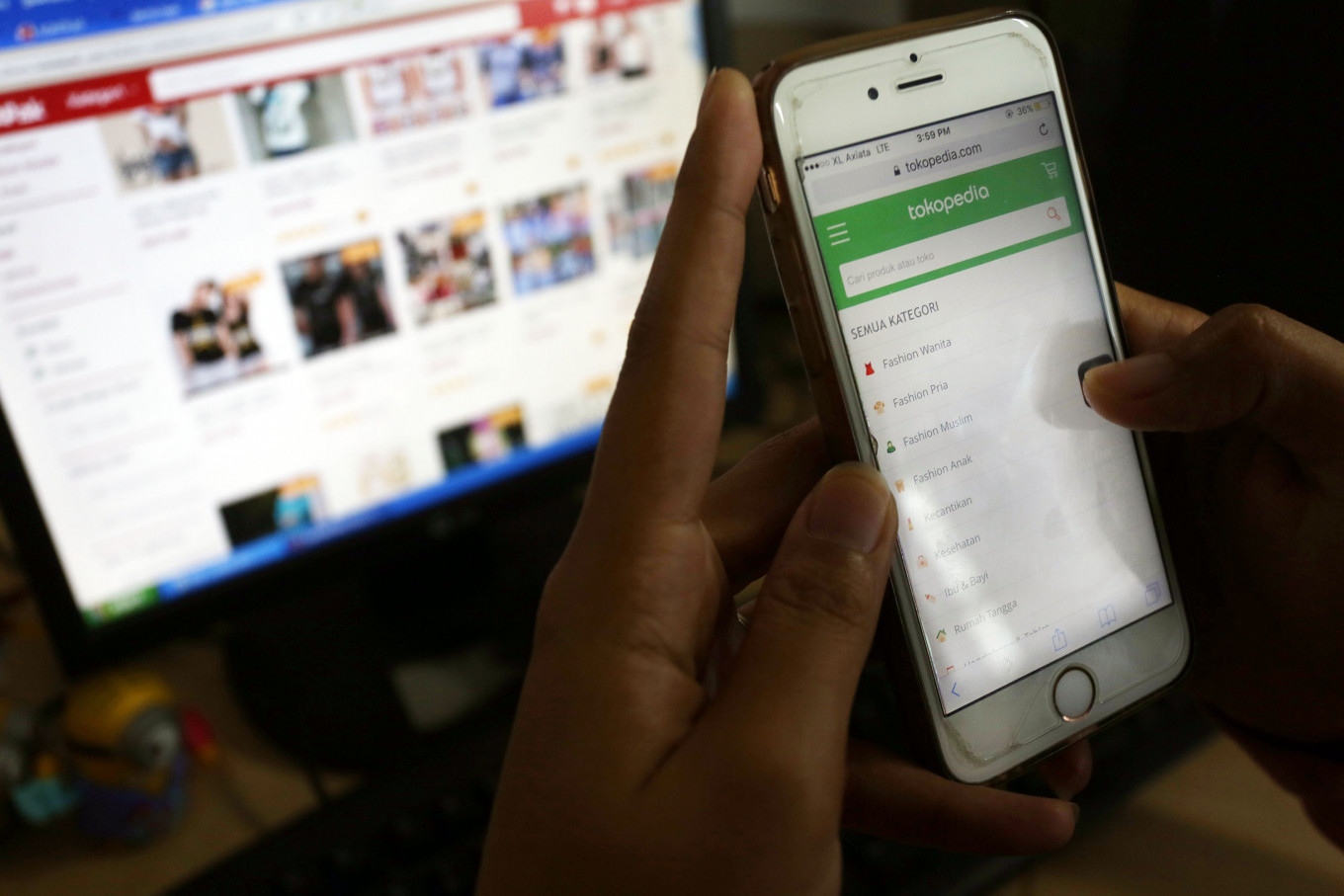
COVID-19 is intensifying the move online and serving as a catalyst for important changes. Online purchasing, digital consumption and average online basket size all have risen substantially and will continue to grow at record-setting rates, providing an opportunity for traditional businesses, large marketplaces and disruptive business models to thrive.
Virtually overnight, COVID-19 has led consumers to alter their spending habits. Worried consumers stockpiled basic goods, looking for value and trusted brands. They cut back on apparel and consumer electronics. And, in record numbers, they started buying online. Our analysis of buying patterns of 8,600 consumers in six Southeast Asian countries found that while 47 percent of consumers decreased offline purchases, 30 percent increased their online spending.
Our analysis helped us identify six critical themes in Southeast Asia among digital consumers who have made purchases online in the last six months.
“At home” and contactless here to stay. Working from home has delivered an unanticipated benefit: eliminating hours-long commutes from daily schedules has boosted productivity. When restrictions lift, many are likely to continue working from home. Southeast Asia’s digital consumers also report that they intend to stay at home for shopping and leisure more than they did pre-C0VID. The region’s consumers are 1.5 times less likely to dine out or visit a cinema than their counterparts in the US– a big cultural shift in a region where consumers were almost twice as likely as those in the US to eat out every day. Meanwhile, consumers in Southeast Asia are embracing innovative contactless services. Even in Southeast Asia’s cash-dominant markets, for instance, contactless payment platforms have achieved high growth in both users and transaction volumes.