The Jakarta Post
Please Update your browser
Your browser is out of date, and may not be compatible with our website. A list of the most popular web browsers can be found below.
Just click on the icons to get to the download page.


Popular Reads
Top Results
No results found. Please check your search term and try again
Can't find what you're looking for?
View all search results
Popular Reads
Top Results
No results found. Please check your search term and try again
Can't find what you're looking for?
View all search resultsMaintaining ideal weight: Eat, sleep in accordance with circadian rhythm
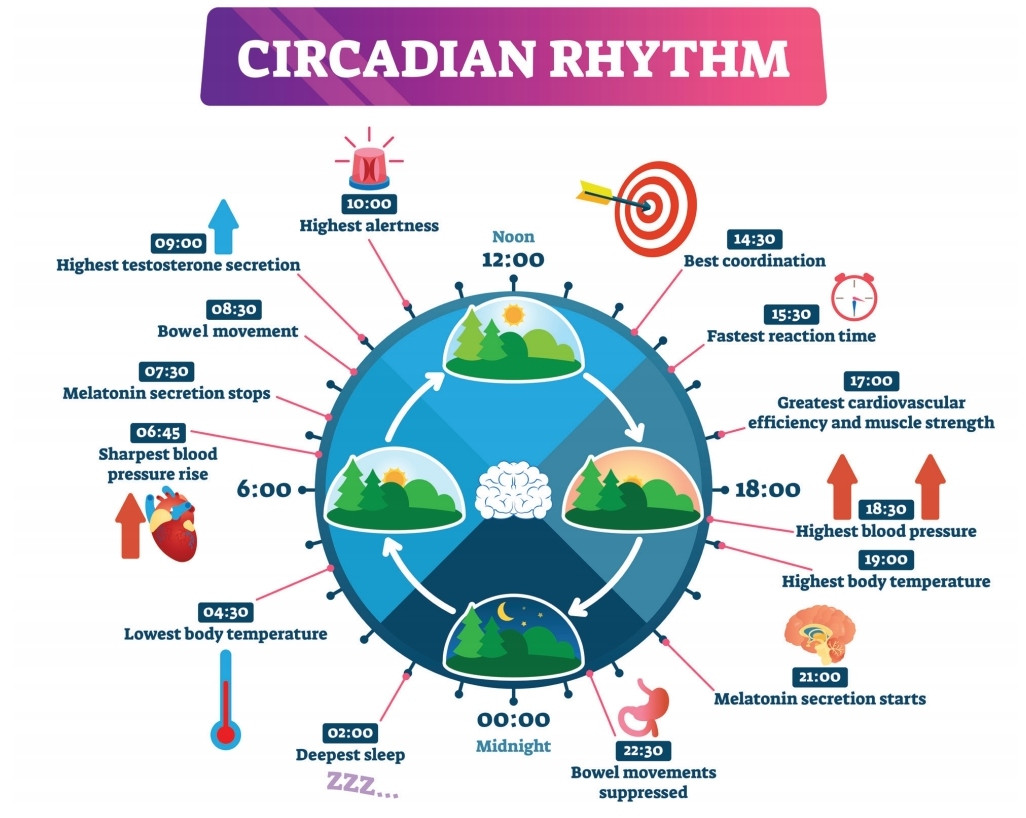
Apart from aligning our sleep with the circadian rhythm to keep our body weight in check, eating in accordance with the natural body clock can also help us maintain our ideal weight.
Change text size
Gift Premium Articles
to Anyone
Share the best of The Jakarta Post with friends, family, or colleagues. As a subscriber, you can gift 3 to 5 articles each month that anyone can read—no subscription needed!
A
s the COVID-19 pandemic forces millions to stay at home, hearing people grumble about gaining weight has become commonplace. Working from home has forced many to be confined to their desks at home, with limited space for the intense physical activities they usually do such as running, swimming or playing competitive sports. Not to mention that staying at home comes with great temptations for frequent snacking and living a sedentary lifestyle closely related to excessive screen time.
Raissa E. Djuanda, a clinical nutrition specialist, said at a live webinar titled “Maintaining ideal weight while staying at home” that those who spend too much time glued to TV, laptop or smartphone screens may not do enough physical activity or could become sleep deprived, and are hence at risk of gaining weight.
While we know that being physically inactive causes weight gain simply because the energy we consume from the food we eat is not burned off and turns into fat, we rarely blame lack of sleep as a cause of weight gain. But how does lack of sleep contribute to weight gain?
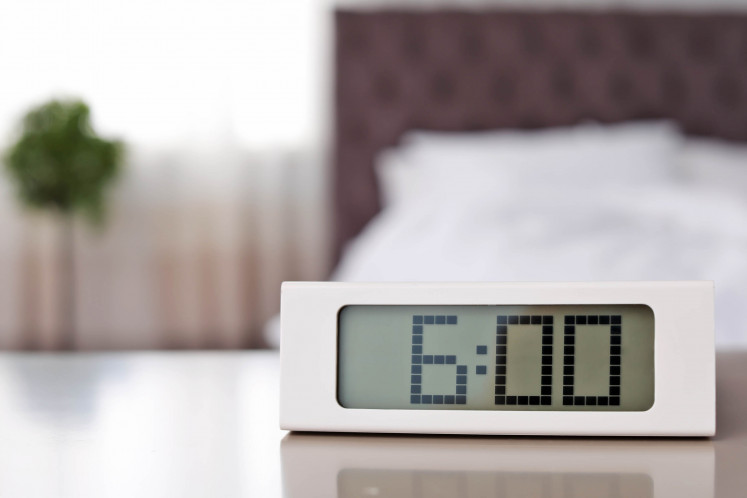
The US National Sleep Foundation states on its website that the link between sleep and weight is becoming clearer, although additional studies are still needed.
“Insufficient sleep is known to cause changes in hormones like ghrelin (which increases appetite) and leptin (which tells us we’re full),” wrote the Sleep Foundation. This is said to be the reason why sleep-deprived individuals are likely to feel hungry and consume more energy than those who have enough sleep.
Furthermore, the Sleep Foundation also pointed out how imaging studies suggest that when people are sleep deprived, their brains respond differently to unhealthy foods and they are more likely to eat them. In addition, lack of sleep is also known to be the culprit behind slower metabolism as well as leading to decreased insulin sensitivity and higher blood glucose.