The Jakarta Post
Please Update your browser
Your browser is out of date, and may not be compatible with our website. A list of the most popular web browsers can be found below.
Just click on the icons to get to the download page.


Popular Reads
Top Results
No results found. Please check your search term and try again
Can't find what you're looking for?
View all search results
Popular Reads
Top Results
No results found. Please check your search term and try again
Can't find what you're looking for?
View all search resultsReducing plastic waste through effective EPR
Indonesia, which has more than 17,000 islands and 81,000 kilometers of coastline, currently produces 3.2 million tons of plastic waste annually, and 1.29 million tons of that ends up in the ocean. If no action is taken, an additional 800,000 tons of plastic waste will flow into the ocean annually in five years from now.
Change text size
Gift Premium Articles
to Anyone
Share the best of The Jakarta Post with friends, family, or colleagues. As a subscriber, you can gift 3 to 5 articles each month that anyone can read—no subscription needed!
I
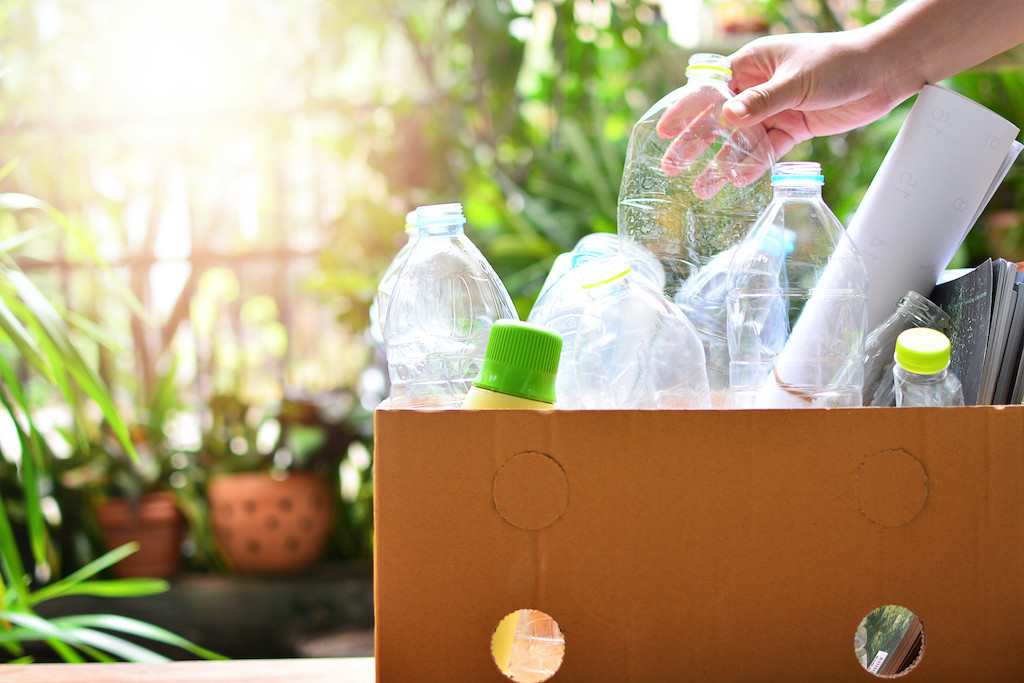
ndonesia is the second-biggest contributor of marine plastic debris, after China. The world’s biggest archipelago, which has more than 17,000 islands and 81,000 kilometers of coastline, currently produces 3.2 million tons of plastic waste annually, and 1.29 million tons of that ends up in the ocean.
If no action is taken, an additional 800,000 tons of plastic waste will flow into the ocean annually in five years from now.
More than 80 percent of the waste in Indonesia is unsorted. As a result, most of the plastic waste either ends up in landfills or flows into the ocean.
“We do not have a proper waste management system. Many people here in Indonesia consider rivers, lakes and oceans garbage dumps. They throw all plastic bags and bottles and other waste into rivers and oceans. The government must take drastic action immediately,” Abdul Gani, who works in a private company in West Jakarta, told The Jakarta Post on Monday.
The government of President Joko “Jokowi” Widodo took the matter seriously and issued two important decrees – Presidential Decree No. 97/2017 regarding the National Waste Management Policy and Strategy and Presidential Decree No. 83/2018 regarding the Plan of Action on Marine Plastic Debris 2018-2025 – and prepared a road map.
Through these two decrees, the government is aiming to cut marine plastic waste by 70 percent within next five years and reduce waste by 30 percent through the 3 Rs (reduce, reuse and recycle) by 2030.
“The vision goes even further: By 2040, we aim to achieve a plastic pollution-free Indonesia – one that embodies the principle of the circular economy, in which plastic will no longer end up in our oceans, waterways and landfills, but will go on to have a new life,” Coordinating Maritime Affairs and Investment Minister Luhut B. Pandjaitan said recently at the World Economic Forum in Davos, Switzerland.