The Jakarta Post
Please Update your browser
Your browser is out of date, and may not be compatible with our website. A list of the most popular web browsers can be found below.
Just click on the icons to get to the download page.


Popular Reads
Top Results
No results found. Please check your search term and try again
Can't find what you're looking for?
View all search results
Popular Reads
Top Results
No results found. Please check your search term and try again
Can't find what you're looking for?
View all search resultsMaintaining the momentum of achieving SDG targets post-COVID-19
In Indonesia, not all provinces have regional action plans to meet SDGs, let alone include them in their middle and long-term development plan.
Change text size
Gift Premium Articles
to Anyone
Share the best of The Jakarta Post with friends, family, or colleagues. As a subscriber, you can gift 3 to 5 articles each month that anyone can read—no subscription needed!
 Set as preferred source
T
oday we are facing an implausible pandemic that has affected the lives of the entire population. The economy is slowing, if not stagnating; it is like an invisible hand suddenly pressing the pause button.
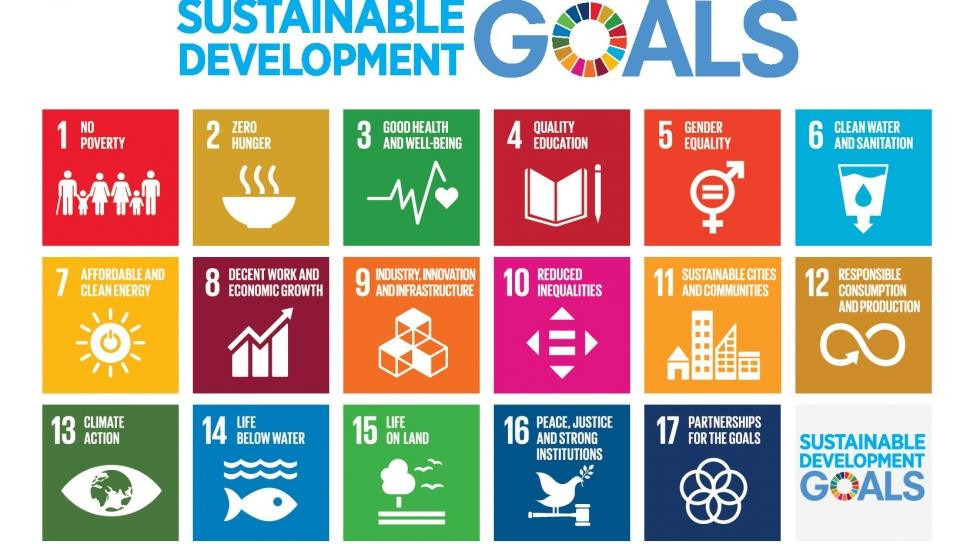
The pandemic has also put the Sustainable Development Goals (SDG) global agenda in jeopardy. Even before COVID-19 struck, many had cast doubt over whether all the goals would be achieved in 2030 as targeted when the SDGs were launched during the United Nations General Assembly in September 2015.
Economics professor William Esterly from New York University quipped that SDGs could be abbreviated to "senseless, dreamy, garbled". In one of its reports, The Economist describes SDGs as "sprawling and misconceived, […] unfeasibly expensive" costing US$2 trillion to $3 trillion per year and are impossible to realize. In fact, many say the SDGs are utopian and ambitious.
A year before the pandemic, the lack of global commitment to SDGs was beginning to be felt, particularly in terms of advocacy and media communication. A World Bank study (2019) showed that 31 percent of its "knowledge products", which include recommendations for the SDG action plan, had never been downloaded and 87 percent had never been cited.
In a 2018 report titled "How the Indonesian Media Deals With SDGs", University of Indonesia (UI) lecturer Irwansyah claims that not all SDGs are understood by the local media and only a few are framed based on public policy concerns. He concludes that the Indonesian media is not well informed about SDGs and the goals are not considered an interesting news topic.
Today, the media is more interested in political issues, especially in the time of COVID-19. SDGs have disappeared from the news, overshadowed by coronavirus headlines.
Looking at the performance of Asia-Pacific countries over the last five years, the United Nations Economic and Social Commission for Asia and the Pacific (UN-ESCAP) reported that in line with the current trajectory, the region will not achieve any of the 17 SDGs by 2030. Progress exists but at a sluggish pace, with efforts to meet over a half of the goals stagnating or even moving to the opposite direction.