The Jakarta Post
Please Update your browser
Your browser is out of date, and may not be compatible with our website. A list of the most popular web browsers can be found below.
Just click on the icons to get to the download page.


Popular Reads
Top Results
No results found. Please check your search term and try again
Can't find what you're looking for?
View all search results
Popular Reads
Top Results
No results found. Please check your search term and try again
Can't find what you're looking for?
View all search resultsRI must reduce risk to attract infrastructure investment amid: IA
“There is not currently a shortage of liquidity at the international level. However, the issue is how to refocus on opportunities and make them attractive to the international private sector so investors come in and contribute to economic growth,” the advisory group's executive director Seth Tan told The Jakarta Post in an exclusive interview on Aug. 14.
Change text size
Gift Premium Articles
to Anyone
Share the best of The Jakarta Post with friends, family, or colleagues. As a subscriber, you can gift 3 to 5 articles each month that anyone can read—no subscription needed!
 Set as preferred source
T
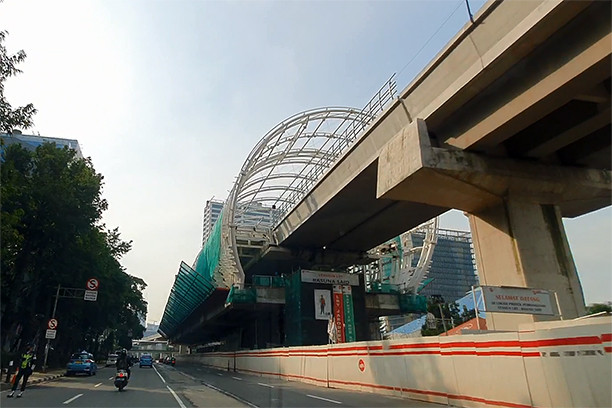
he Indonesian government should focus on reducing the risks associated with infrastructure projects and prioritize certain types of infrastructure to lure foreign investors during the ongoing global health crisis, Singapore-based infrastructure investment advisory group Infrastructure Asia (IA) has stated.
“There is not currently a shortage of liquidity at the international level. However, the issue is how to refocus on opportunities and make them attractive to the international private sector so investors come in and contribute to economic growth,” the advisory group's executive director Seth Tan told The Jakarta Post in an exclusive interview on Aug. 14.
He added that a well-established consortium of investors preferred low-risk infrastructure projects over highly profitable ones, and that governments should seek to attract those types of investors rather than those only seeking to gain high profits.
“From my experiences working on projects outside Asia, projects that have an internal rate of return [IRR] slightly below the profitable level of 20 percent can still get a very credible consortium both from the equity and debt side. Furthermore, those types of consortiums will also bring the right support system and the outcome will be great,” he said.
The government has relied on the private sector to take part in developing, financing and managing the country’s ambitious infrastructure projects under the National Medium-Term Development Plan (RPJMN) amid state budget limitations.
The National Development Planning Agency (Bappenas) has estimated that the country will need US$429.7 billion in infrastructure investment, equal to 6.1 percent of GDP, between 2020 and 2024.
However, the government might only be able to finance 30 percent of the projects using the state budget, according to Public Works and Housing Ministry financing strategy director Herry Trisaputra Zuna, adding that it expected additional funds to come from the private sector and non-conventional sources of funding.