The Jakarta Post
Please Update your browser
Your browser is out of date, and may not be compatible with our website. A list of the most popular web browsers can be found below.
Just click on the icons to get to the download page.


Popular Reads
Top Results
No results found. Please check your search term and try again
Can't find what you're looking for?
View all search results
Popular Reads
Top Results
No results found. Please check your search term and try again
Can't find what you're looking for?
View all search resultsEnding the stigma
To avoid the stigma, many have resisted testing and tracing, refused hospitalization and seized the dead bodies of loved ones from the hospital to prevent them from being buried under COVID-19 protocols.
Change text size
Gift Premium Articles
to Anyone
Share the best of The Jakarta Post with friends, family, or colleagues. As a subscriber, you can gift 3 to 5 articles each month that anyone can read—no subscription needed!
 Set as preferred source
O
ne of the challenges Indonesia has faced in its decades-long fight against HIV/AIDS is the stigma that accompanies the disease. Often, the public takes things into its own hands by sending those who test positive into exile, branding them as a source of problems and a burden.
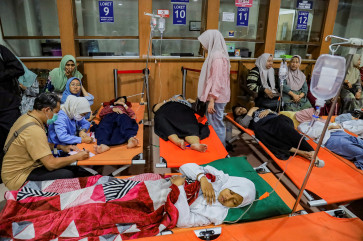
A similar phenomenon is occurring as the country struggles to contain the spread of COVID-19, which since early March has infected more than 378,000 and killed nearly 13,000. In some countries, the stigma has even developed into prejudice against Asians, simply because the pandemic began in Wuhan, China.
A survey conducted in August by the LaporCOVID-19 (Report COVID-19) community, in collaboration with researchers from the University of Indonesia (UI) Faculty of Psychology, discovered that stigma surrounding COVID-19 patients and survivors did not subside.
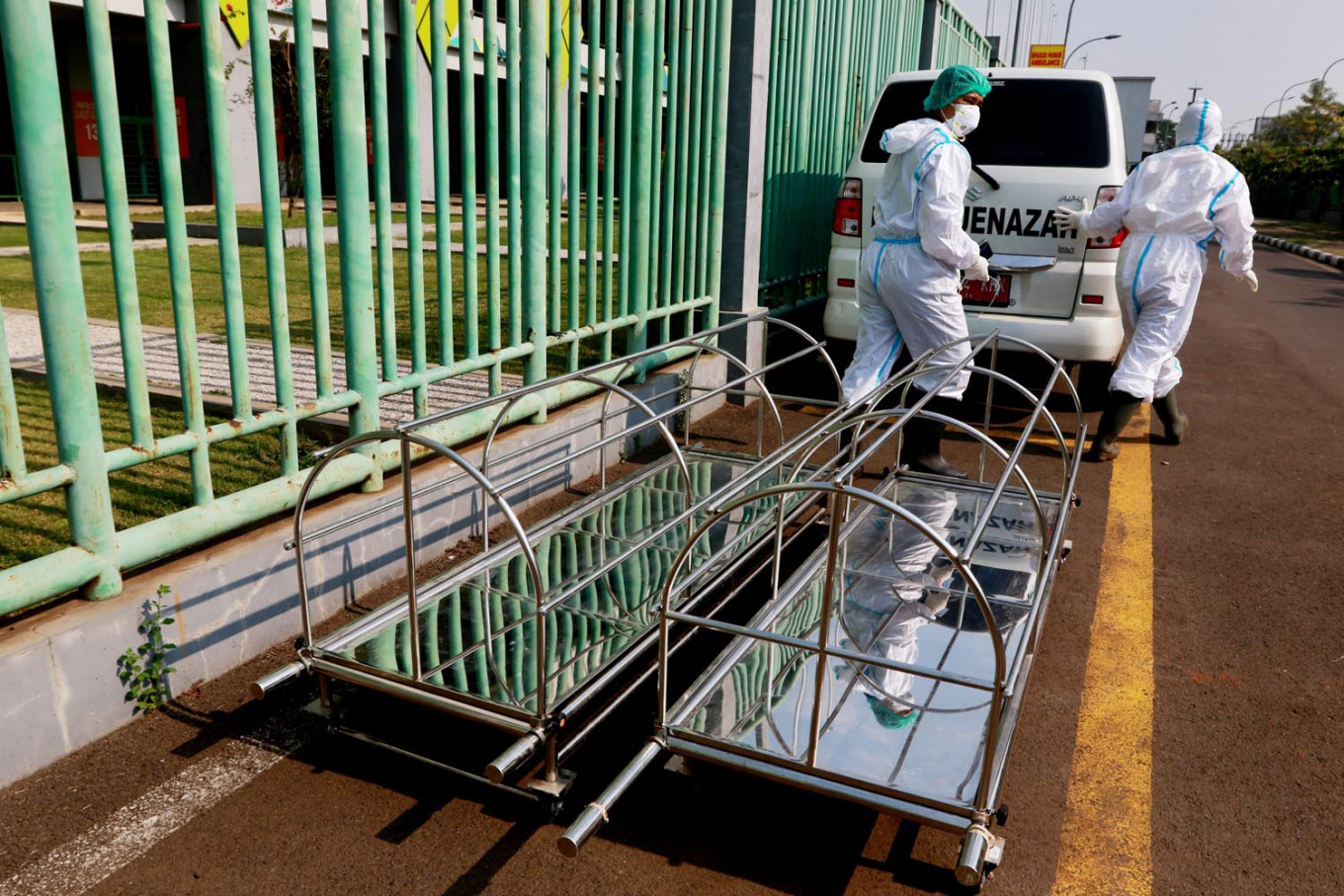
Needless to say, ending the pandemic is impossible without addressing the stigmatization and prejudice COVID-19 patients face. To avoid the stigma, many have resisted testing and tracing, refused hospitalization and seized the dead bodies of loved ones from the hospital to prevent them from being buried under COVID-19 protocols.
On Nov. 19, the Jakarta administration will begin enforcing a new bylaw that stipulates a maximum fine of Rp 7.5 million for obstructing measures to tackle contagion, such as refusing polymerase chain reaction (PCR) tests, COVID-19 treatment, vaccination or isolation.
The city government previously issued a gubernatorial regulation that outlined punishments for people who did not wear masks in public and business owners who failed to enforce social distancing in workplaces. The penalties ranged from one hour of community service and progressive fines to the withdrawal of business permits.
But according to the 2011 Regional Government Law, only regional bylaws or higher levels of regulation can legally establish fines.