The Jakarta Post
Please Update your browser
Your browser is out of date, and may not be compatible with our website. A list of the most popular web browsers can be found below.
Just click on the icons to get to the download page.


Popular Reads
Top Results
No results found. Please check your search term and try again
Can't find what you're looking for?
View all search results
Popular Reads
Top Results
No results found. Please check your search term and try again
Can't find what you're looking for?
View all search resultsWomen peace and security: Toward a full women inclusion
Women’s participation is a nonnegotiable political priority that needs to be addressed and recognized.
Change text size
Gift Premium Articles
to Anyone
Share the best of The Jakarta Post with friends, family, or colleagues. As a subscriber, you can gift 3 to 5 articles each month that anyone can read—no subscription needed!
 Set as preferred source
T
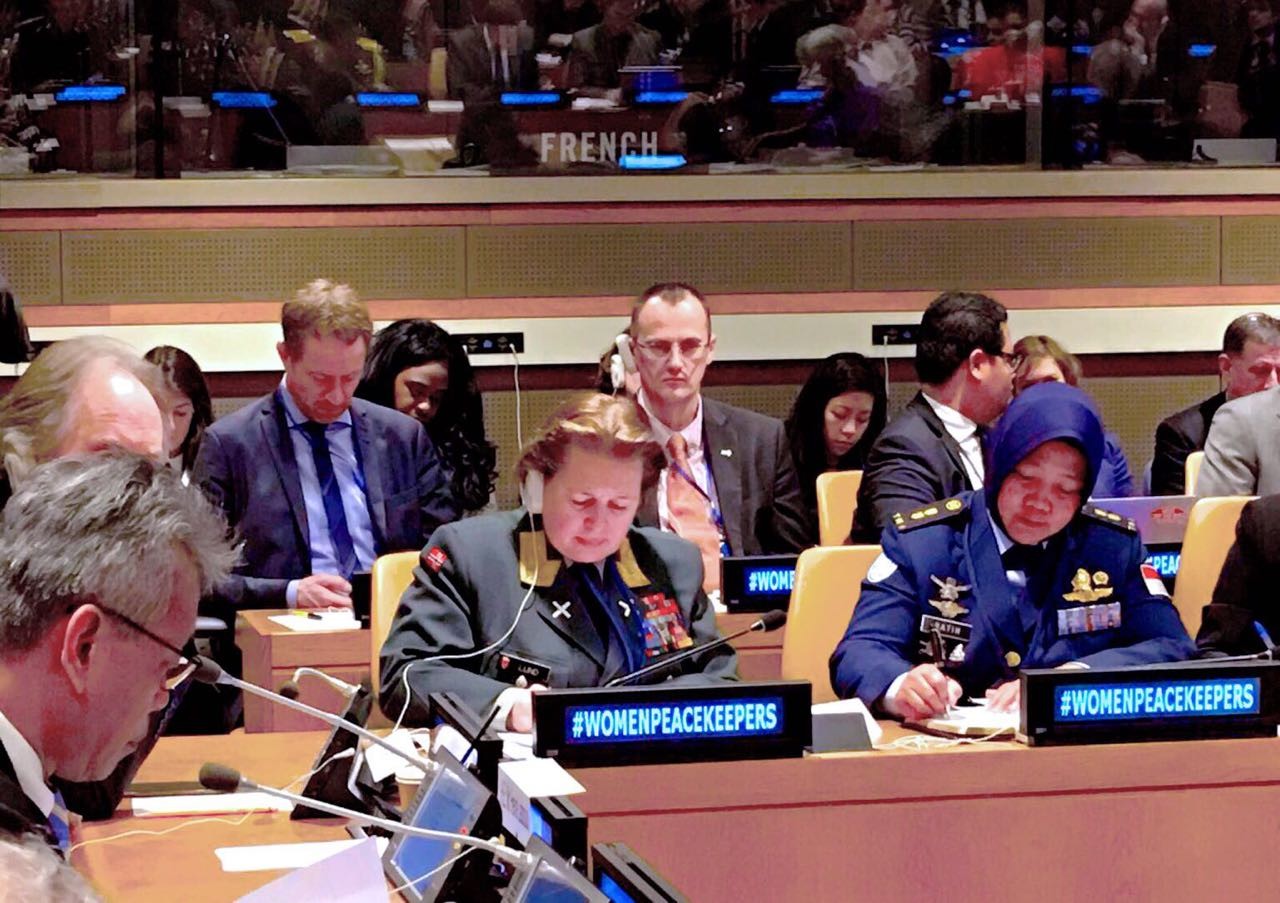
his year marks the 20th anniversary of United Nations Security Council (UNSC) Resolution 1325 on women, peace and security (WPS). Some achievements have been made since the resolution was adopted, including global recognition of the important role of women in community-based peacebuilding, conflict mediation and reconciliation.
However, some still hesitate to acknowledge women in formal roles for conflict resolution. The shortcomings in three areas bar greater support for women’s achievements in this issue: The first is the lack of recognition of female peacebuilders' contributions, the second the cultural bias against female leadership, and the third is the absence of implementing regulations for a national WPS action plan.
These three areas were identified at the National Digital Consultation on Reviewing the National Action Plan on Women, Peace and Security in Indonesia, which was hosted by the Asian Muslim Action Network (AMAN) Indonesia in collaboration with the Office of the Coordinating Political, Legal and Security Affairs Minister from July 20 to Aug. 31, 2020.
The forum involved more than 200 representatives of civil society organizations across 24 provinces.
These issues were also highlighted in the 2020 Report of the UN Secretary-General, which concluded that the primary cause of the lack of progress in the equal, full and meaningful participation of women was the absence of political will, particularly from parties in conflict. The parties have yet to fully understand the global commitments enshrined in the WPS agenda across all stages of peace processes.
In addition, a 2020 UNSC report analyzes the political climate surrounding the WPS debate in the council, which has become more contentious and less conducive to moving the agenda forward.
In the Indonesian context, Presidential Decree No. 18/2014 on the National Action Plan on the Protection and Empowerment of Women and Children in Social Conflict (NAP WPS) has been acknowledged by women-led organizations as the only legal instrument to advocate for the recognition and protection of women peacebuilders and the rights of victims of gender-based violence in conflict settings. In the last five years, the government has been more gender-sensitive in handling social conflicts.