The Jakarta Post
Please Update your browser
Your browser is out of date, and may not be compatible with our website. A list of the most popular web browsers can be found below.
Just click on the icons to get to the download page.


Popular Reads
Top Results
No results found. Please check your search term and try again
Can't find what you're looking for?
View all search results
Popular Reads
Top Results
No results found. Please check your search term and try again
Can't find what you're looking for?
View all search resultsCashless society: Is it possible for everyone?
There are also the elderly and the disabled who face their own challenges with rapid digitalization and technological advancement.
Change text size
Gift Premium Articles
to Anyone
Share the best of The Jakarta Post with friends, family, or colleagues. As a subscriber, you can gift 3 to 5 articles each month that anyone can read—no subscription needed!
 Set as preferred source
T
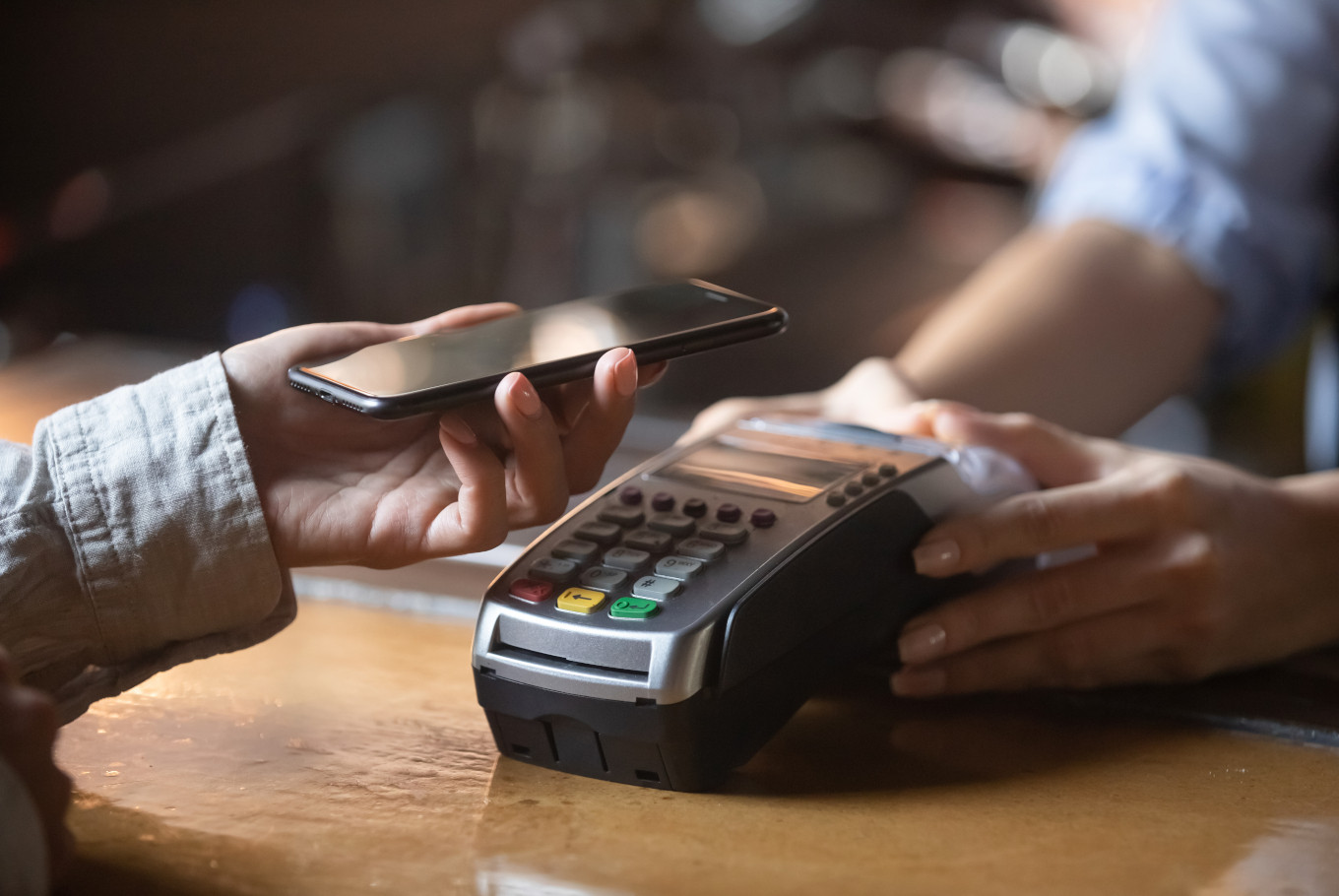
here is no escaping our evolution into a cashless society. The notion that all transactions can be executed digitally is becoming more realistic day by day. COVID-19 has accelerated the move away from physical cash, with growing concerns over transmittal of viruses and diseases.
A cashless society breeds a new era for financial transactions. Key benefits should include: lower crime rates, less money laundering, easier foreign transacting and reduced risks and costs. The term, cashless society, itself appears ubiquitous and denotes a concept so pervasive and entrenched in our society. However, this is far from the reality.
Economic inequality and inclusivity are fundamental issues still present worldwide. A cashless society might actually exacerbate these problems. The unbanked and poor could face significant challenges with digital modes of payment.
According to the World Bank, there are over 1.7 billion unbanked adults globally. China, Indonesia and India account for over 30 percent of this number, with the majority of these being females. In fact a huge proportion of the unbanked view the cashless movement as a discriminatory act against those without bank accounts. Perhaps, ideologically, we are running before walking to facilitate this cashless utopia.
For a cashless society to be truly pervasive, there needs to be an understanding, and acceptance, by governments and payment providers of the financial inclusion issues currently in existence. It isn’t just the unbanked who are at risk of being left behind.
There are also the elderly and the disabled who face their own challenges with rapid digitalization and technological advancement. There are still parts of society that lack trust in digital payments or have barriers of access to mobile phones and the internet.
Reinforce this with fears around fraud, privacy and the emotional value of money and, suddenly, your cashless adoption rates start to flounder.