The Jakarta Post
Please Update your browser
Your browser is out of date, and may not be compatible with our website. A list of the most popular web browsers can be found below.
Just click on the icons to get to the download page.


Popular Reads
Top Results
No results found. Please check your search term and try again
Can't find what you're looking for?
View all search results
Popular Reads
Top Results
No results found. Please check your search term and try again
Can't find what you're looking for?
View all search results‘New’ or ‘better’ normal for migrants in ASEAN?
COVID-19 responses have also fallen short of protecting the workers and respecting their rights.
Change text size
Gift Premium Articles
to Anyone
Share the best of The Jakarta Post with friends, family, or colleagues. As a subscriber, you can gift 3 to 5 articles each month that anyone can read—no subscription needed!
 Set as preferred source
T
he COVID-19 pandemic is highlighting major divides in society and exposing preexisting vulnerabilities. A case in point are the estimated 10 million international migrants in Southeast Asia, mainly consisting of lower skilled-workers most often in irregular positions. The pandemic has disproportionately affected them, if not in terms of infections, in terms of socioeconomic impacts and disruption to their already precarious lives.
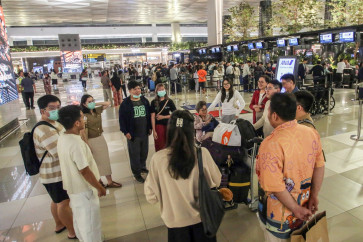
In Singapore, national spatial modelling exercises and containment measures missed to include the large migrant population as they simply did not consider it part of the inhabitants. The government was taken aback by the growing spread of the infection in migrants’ dormitories and implemented stay-at-home orders, despite activists arguing that such measures will continue to expose them to transmission due to the substandard living conditions.
In September, the dormitories, which house over 300,000 construction and shipbuilding workers in packed rooms that can hold up to 20 people, accounted for almost 95 percent of Singapore’s 57,000 infections. Though it is now decreasing, the number of daily infections in dormitories continue to outnumber those in the local communities.
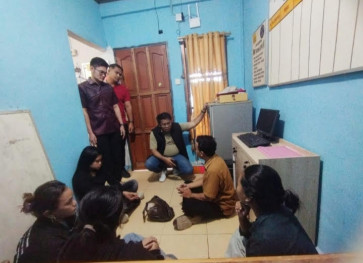
In other destination countries, COVID-19 responses have also fallen short of protecting the workers and respecting their rights. In Malaysia, early in the epidemics, migrants and refugees were totally locked-down in settlements with no running water or isolation space and in great stress. And when the country started to reopen last May, they were subjected to immigration raids and arrests leading to a surge of infections in detention centers.
In Thailand, the hastily announced partial lockdown of Bangkok and border closure order in March triggered a mass exodus of migrants from Myanmar, Cambodia and Laos. Fearing being trapped in Thailand with no jobs and social protection, they took the risk of exposure in crowded transportation vehicles and border areas.
At the same time, workers in sectors exempted from lockdown such as construction were seen heading to work as usual in filled trucks with no social distancing and masks. A recent study found that last July, 57 percent of those interviewed were not provided basic personal protective equipment of masks and hand sanitizer by their employer – a figure higher than the already significant average of 33 percent for the region. Abuses have exacerbated, with greater pressure on migrants to take unpaid leave, refuse time off during the lockdown or being prevented from leaving by passport’s confiscation.
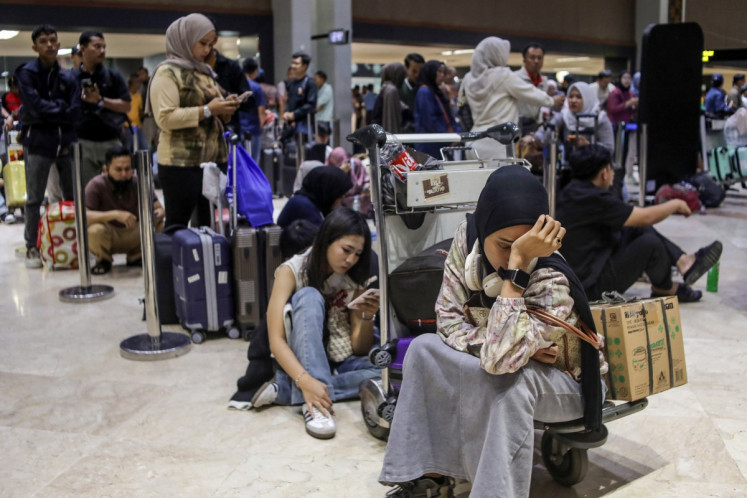
Sending countries have demanded migrant workers abroad not to return, but no bilateral arrangements have been made to enable this to happen. Vast numbers of Indonesian migrants had to return home from Malaysia, East Asia and the Middle East due to visa limitations and loss of employment, having to take risks along the way and experiencing stigmatization on arrival as the perceived “importer” of the disease.