The Jakarta Post
Please Update your browser
Your browser is out of date, and may not be compatible with our website. A list of the most popular web browsers can be found below.
Just click on the icons to get to the download page.


Popular Reads
Top Results
No results found. Please check your search term and try again
Can't find what you're looking for?
View all search results
Popular Reads
Top Results
No results found. Please check your search term and try again
Can't find what you're looking for?
View all search resultsSoutheast Asia has won along with Biden
Now, with America's return, Southeast Asian nations would not need to be price-takers in the bidding war between the American and Chinese contenders to global supremacy.
Change text size
Gift Premium Articles
to Anyone
Share the best of The Jakarta Post with friends, family, or colleagues. As a subscriber, you can gift 3 to 5 articles each month that anyone can read—no subscription needed!
 Set as preferred source
O
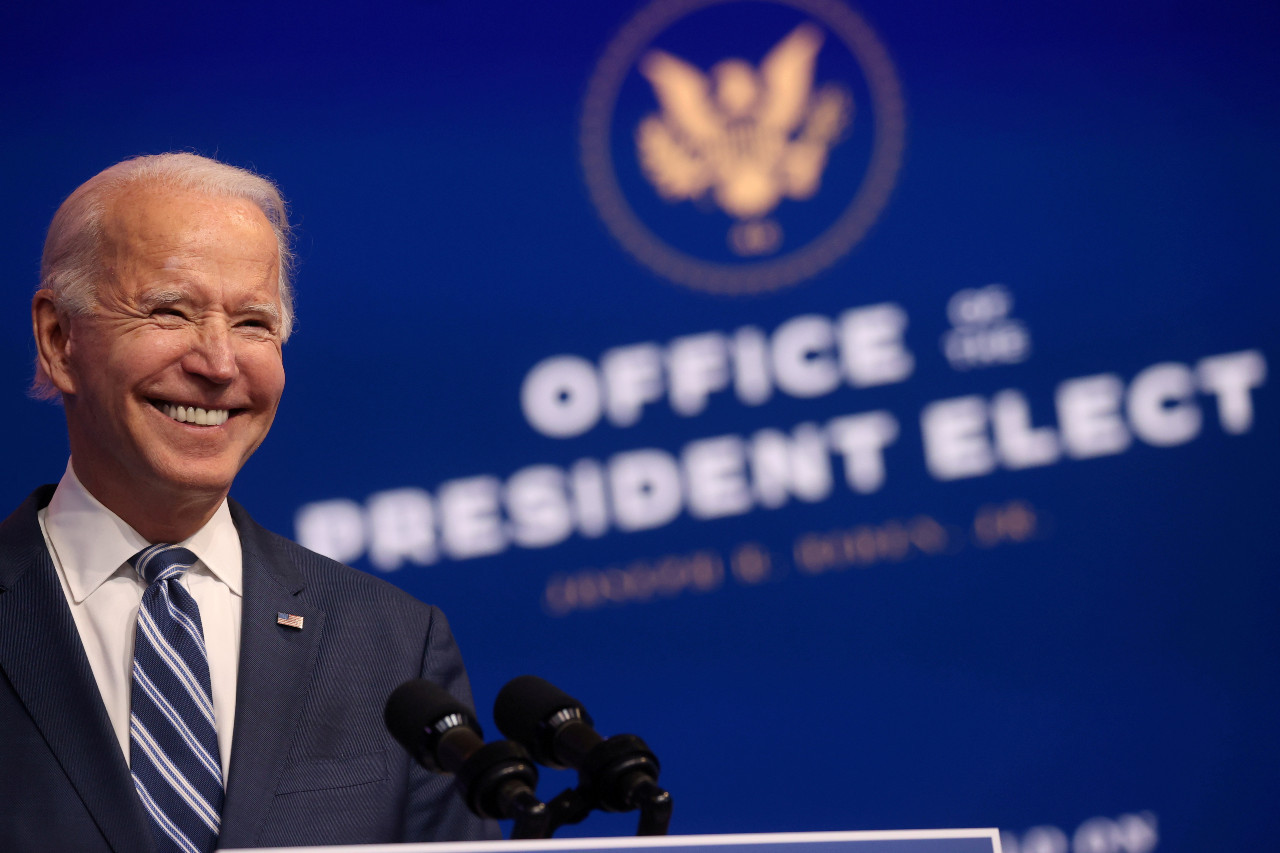
ne sentiment that resounded among internationalists when Joe Biden won the presidency was that America is returning to the world. That is good news for Southeast Asia in general and Indonesia in particular.
This is so because America's return inaugurates the possibility of a new relationship with China that would release Asian nations from the burden of having to choose between Washington and Beijing. The resulting division could have caused a rift serious enough to test ASEAN to its core. That threat has receded with America's departure from the Trumpean dream of remaking the world in the image of a defiantly isolationist America.
The domestic politics of divide-and-rule that marked the Donald Trump presidency was reflected in America's global dealings as well. Trump's notions of ethnic and economic exclusivity resonated with right-wing Americans, including white supremacists who would free their country of the diversity that has marked its evolution from being a settler-state to becoming the vibrant and resilient multicultural nation that it is today.
Those tactics of division were replicated on the international front. By starting a trade war with China that disrupted global supply chains, Trump sought essentially to divide the world into two hostile blocs that would have to swear economic allegiance to either Washington or Beijing. By withdrawing his country from the Paris accord on climate change, he divested the world's most powerful economy of the leadership expected of it in meeting one of the chief threats to our world today.
The American withdrawal undermined explicitly the need for a global consensus on the most global of issues. By deciding to leave the World Health Organization during COVID-19, Trump signaled his dismissiveness of a pandemic that has cut a deadly swathe through his own population.
What he did to America was amplified by what he did to the world: face it with a take-it-or-leave-it option. To not be with America was to be against it.
While it is easy to be critical of Trump’s foreign policy, the Biden administration must also avoid the shortcomings of Obama’s foreign policy in Asia. Despite Obama having once referred to himself as the first Pacific president, and calling his foreign policy a “Pivot to Asia” – which was intended to rebalanced America’s foreign policy focus away from the Middle East to elsewhere in Asia – in hindsight, the eight years of Obama marked a significant decline in US presence and influence in Asia.