The Jakarta Post
Please Update your browser
Your browser is out of date, and may not be compatible with our website. A list of the most popular web browsers can be found below.
Just click on the icons to get to the download page.


Popular Reads
Top Results
No results found. Please check your search term and try again
Can't find what you're looking for?
View all search results
Popular Reads
Top Results
No results found. Please check your search term and try again
Can't find what you're looking for?
View all search resultsIndonesia can afford a larger deficit to support the poor
For moral, economic, and political reasons the government should soften the blow suffered by the poor.
Change text size
Gift Premium Articles
to Anyone
Share the best of The Jakarta Post with friends, family, or colleagues. As a subscriber, you can gift 3 to 5 articles each month that anyone can read—no subscription needed!
 Set as preferred source
I
ndonesia can afford to spend 10 percent of gross domestic product to compensate those who have lost jobs and income because of the COVID-19 pandemic. The resulting government fiscal deficit would be 15 percent, rather than the current target of 5 percent, but without inflation or depreciation of the rupiah, or building up unmanageable debt levels. The larger deficit would provide funds that are urgently needed to cushion the blow of the coronavirus pandemic on low-income groups. We have reached this conclusion while writing a new book to be published this year by Anthem Press entitled Indonesia’s Narrowing Path to Prosperity and Poverty Elimination.
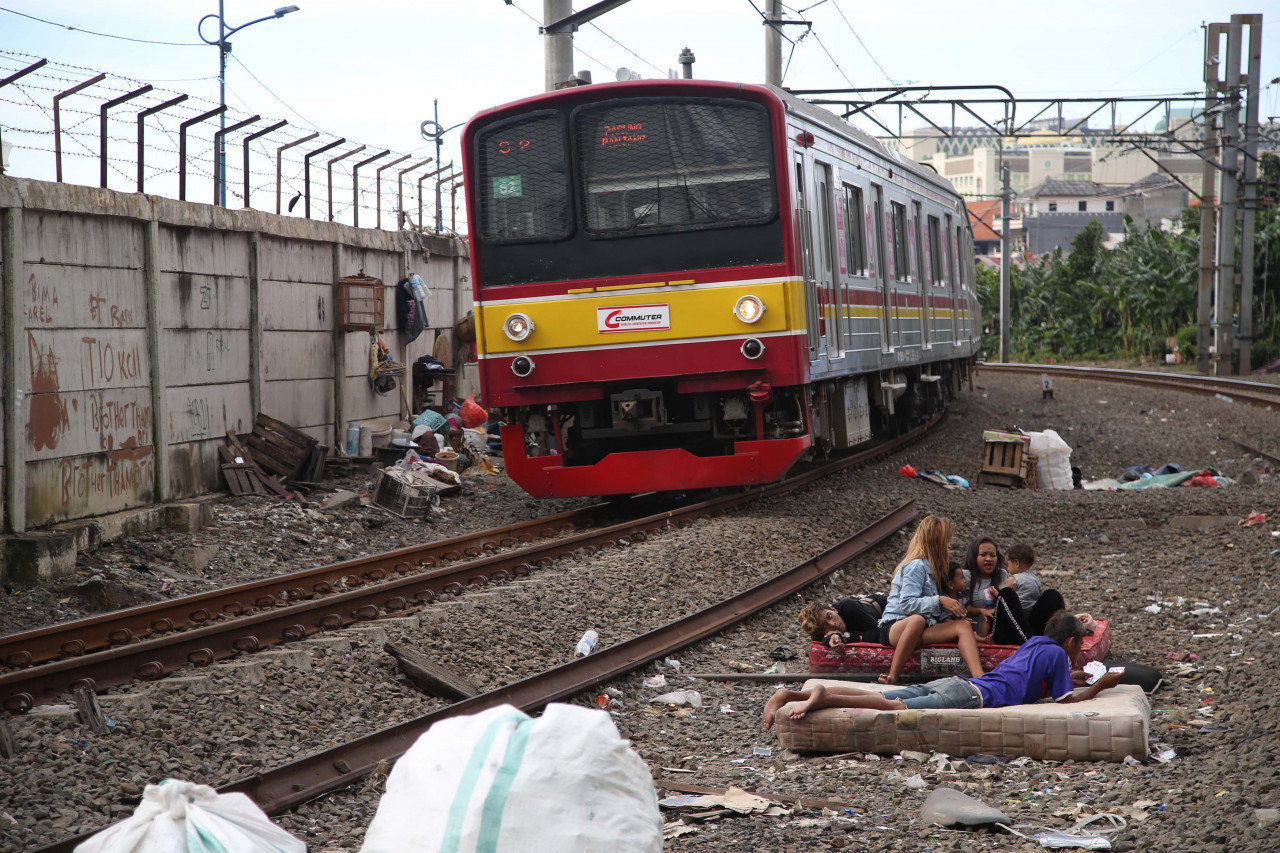
More than five million workers have lost formal sector jobs because of lockdowns, which forced many businesses to close. Their incomes were cut in half or were lost entirely. Another two million workers joined the labor force. These seven million face a miserable existence because of the coronavirus and the resulting economic slowdown.
For moral, economic, and political reasons the government should soften the blow suffered by the poor. But government revenues declined and for decades the deficit has been limited to three percent of gross domestic product.
A major reason for limiting the deficit is the fear of inflation. But the steps to control the virus have caused a recession. The problem is lack of demand, not excess demand. An increase in demand would bring about an increase in supply, not price inflation.
In addition, our model shows that the lockdown has resulted in “forced savings,” something not considered in other models. Many people are confined to their homes. They cannot spend as much as usual dining out, going to movies, traveling, or even commuting to work. Entrepreneurs and government cannot carry out their investment plans. This income is saved, resulting in a decline in demand, while creating a pool of resources that can finance higher government deficits.
A third source of deficit finance is the growth of government revenue derived from the increase in GDP that the subsidy will generate. Families receiving government support will spend most of it on food and other necessities. That will increase incomes of those that produce and trade these goods. They in turn spend money on goods and services, generating further rounds of income. We estimate these indirect, or multiplier, effects of government spending at 1.6 to 1.8 times the original expenditure. The government collects taxes on this additional economic activity.
With a 10 percent subsidy the deficit reaches 15 percent. But it is more than offset by savings of 18 percent so there is no increase in inflation. Indeed, our model indicates that government deficit financing can reach 23 percent before inflationary pressures emerge and the balance of payments turns negative. With a 10 percent subsidy GDP will be nearly 15 percent higher than with no subsidy. Consumption will improve even more, increasing 7.4 percent with the subsidy but falling 22.7 percent without it.