The Jakarta Post
Please Update your browser
Your browser is out of date, and may not be compatible with our website. A list of the most popular web browsers can be found below.
Just click on the icons to get to the download page.


Popular Reads
Top Results
No results found. Please check your search term and try again
Can't find what you're looking for?
View all search results
Popular Reads
Top Results
No results found. Please check your search term and try again
Can't find what you're looking for?
View all search resultsAwaiting Switzerland’s decision on Indonesian palm oil
Revoking the clause on palm oil in the I-EFTA CEPA may set a detrimental precedent for other trade agreements that Indonesia is party to.
Change text size
Gift Premium Articles
to Anyone
Share the best of The Jakarta Post with friends, family, or colleagues. As a subscriber, you can gift 3 to 5 articles each month that anyone can read—no subscription needed!
 Set as preferred source
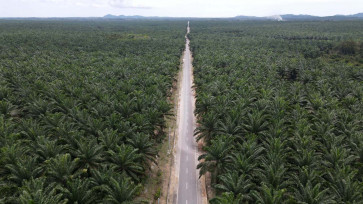
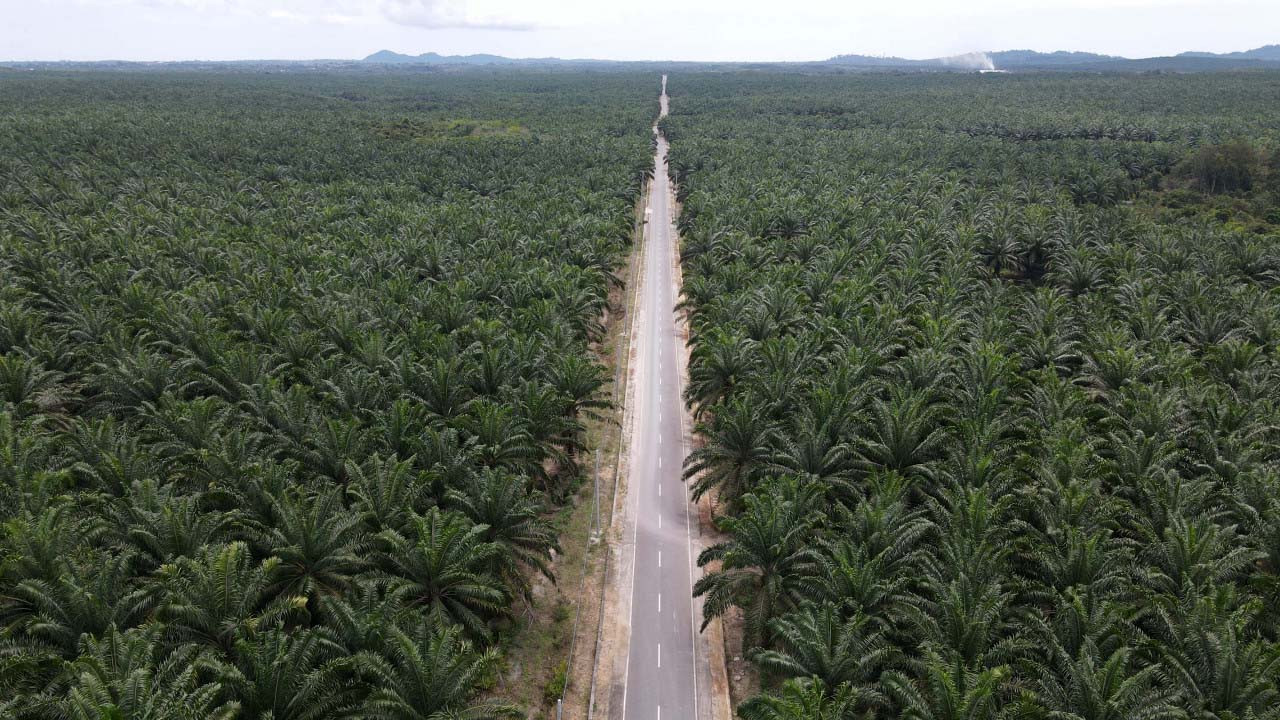 An oil palm plantation in Bulutumbang, Belitung. (JP/Donny Fernando)
O
n March 7, Switzerland will have a federal referendum on whether to accept or reject clauses pertaining to palm oil in the Indonesia-European Free Trade Association Comprehensive Economic Partnership Agreement (I-EFTA CEPA), a trade agreement involving Indonesia and four non-EU countries, namely Switzerland, Norway, Iceland and Liechtenstein.
According to the Swiss constitution, 50,000 signatures are required to challenge a legislative product through a referendum. The detractors of the I-EFTA CEPA have collected more than 59,000 signatures, and therefore, the referendum to annul the provisions on palm oil within the I-EFTA CEPA can be held.
In a rare occasion, the name of a country other than Switzerland, i.e. Indonesia, will be written on the ballot paper.
The Swiss government has constantly supported the I-EFTA CEPA. Out of eight political parties in the country’s parliament, five are in favor of the I-EFTA CEPA. Furthermore, the Swiss government has acknowledged the benefit of the I-EFTA CEPA for the Swiss economy, primarily for boosting trade and investment.
About 77.5 percent of Switzerland’s current exports to Indonesia will enjoy zero tariffs if the I-EFTA CEPA comes into force. Should the I-EFTA CEPA fail to be implemented, it will also affect the credibility of the Swiss government in future international trade negotiations.
The initiator of the referendum, an alliance led by Swiss farmers’ union Uniterre and winegrower Willy Cretegny, has accused Indonesia’s palm oil industry of maintaining unsustainable practices such as deforestation and worker exploitation. The indictment has been refuted by Indonesia, including by Indonesian Ambassador to Switzerland Muliaman Hadad, who stressed that the standard of Indonesia Sustainable Palm Oil (ISPO) is significantly stricter than the global standard of sustainability stipulated in the Sustainable Development Goals (SDGs).
Palm oil is indeed a highly strategic commodity for Indonesia. It supports the livelihoods of more than 16 million Indonesian smallholders and workers. Palm oil’s export value of US$14.7 billion accounts for 8.8 percent of Indonesia’s total exports.