The Jakarta Post
Please Update your browser
Your browser is out of date, and may not be compatible with our website. A list of the most popular web browsers can be found below.
Just click on the icons to get to the download page.


Popular Reads
Top Results
No results found. Please check your search term and try again
Can't find what you're looking for?
View all search results
Popular Reads
Top Results
No results found. Please check your search term and try again
Can't find what you're looking for?
View all search resultsFeminine leadership urgent for better post-pandemic recovery and beyond
Women tended to be risk-averse when it comes to human life, but they are risk takers when it comes to economic hardships.
Change text size
Gift Premium Articles
to Anyone
Share the best of The Jakarta Post with friends, family, or colleagues. As a subscriber, you can gift 3 to 5 articles each month that anyone can read—no subscription needed!
 Set as preferred source
I
t is more than a year since the COVID-19 pandemic emerged. The virus has since affected our social and economic development, lives and livelihoods profoundly, and caused health and social crises. As leaders worldwide navigated the calamity, some of them, mostly women, responded better than others.
Evidently, we need more of the feminine leadership style that emphasizes compassion and resilience amid this adversity and uncertainty. A serious attempt must therefore be made to promote gender equality in alignment with recovery efforts to pave the way toward a better world.
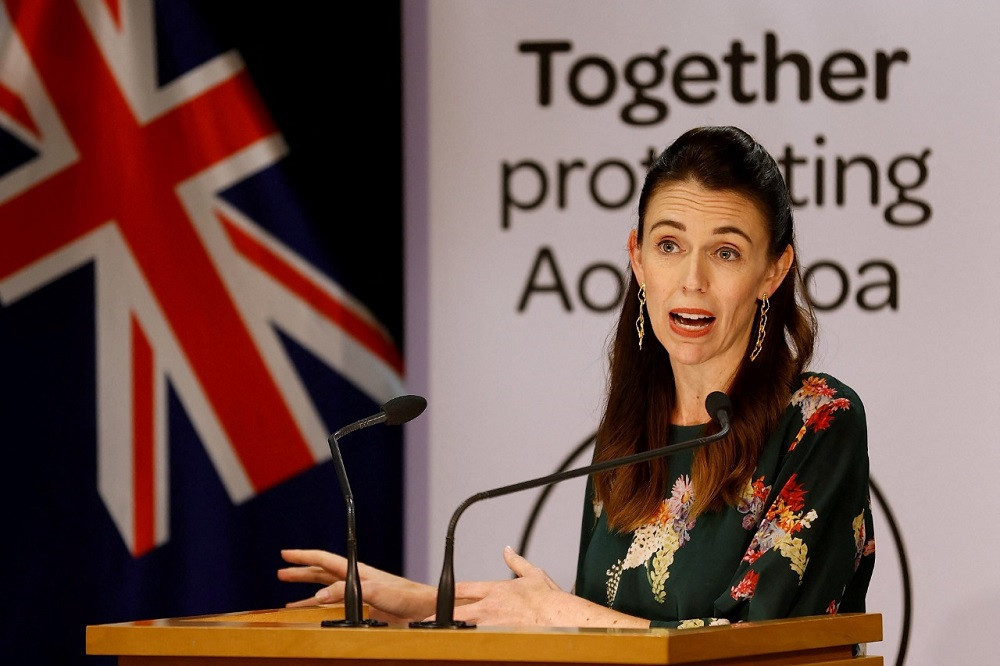
From the macro level of heads of state and government to the micro level of organization and community leaders and even matriarchs, we have seen women providing strong and effective leadership.
Moreover, last year’s study by Supriya Garikipati and Uma Kambhampati found that countries led by women were proactive and decisive, and led to lower COVID-19 fatality rates. This finding was consistent with Jack Zenger and Joe Folkman's research, which suggested that women were not only more effective leaders in general, but also better leaders during crises.
The driving force behind the effectiveness of female leaders derives from their behavior, traits and characteristics, which are crucial during a crisis. They showed more compassion for the feelings of others and concern for wellbeing, but were also confident in their plans. They also demonstrated essential skills such as communication, collaboration and flexibility.
As Garikipati and Kambhampati indicated in their study, women tended to be risk-averse when it comes to human life, but they are risk takers when it comes to economic hardships. As for men, some studies argued that when gambling was framed as potential loss, they tended to be more risk-averse than women.
Ultimately, women's risk appetite, or acceptable level of risk, may explain why female leaders were likely to accept the potential economic costs of early lockdowns to save human lives.