The Jakarta Post
Please Update your browser
Your browser is out of date, and may not be compatible with our website. A list of the most popular web browsers can be found below.
Just click on the icons to get to the download page.


Popular Reads
Top Results
No results found. Please check your search term and try again
Can't find what you're looking for?
View all search results
Popular Reads
Top Results
No results found. Please check your search term and try again
Can't find what you're looking for?
View all search resultsIndonesian traditional music is no less cool than modern music
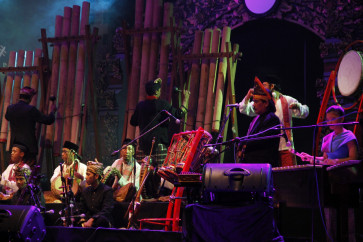
It is good for all ethnomusicologists of the archipelago to reflect on this: lest we remain stuck in a comfort zone that renders us short-sighted, unable to accept and understand other musical influences.
Change text size
Gift Premium Articles
to Anyone
Share the best of The Jakarta Post with friends, family, or colleagues. As a subscriber, you can gift 3 to 5 articles each month that anyone can read—no subscription needed!
R
eading the How Music Works book made me realize how amazing David Byrne is: a design school student, a singer, front man of the legendary punk band Talking Heads, and also a musicologist (or ethnomusicologist).
In this book, Byrne lays out a compelling narrative on music. At first glance, it may come across as an autobiography about his music career; but, in fact, this book imparts a good chunk of knowledge on music theory, anthropology, history, even ethnomusicology—provided that we understand the latter is a combination of many other disciplines.
Byrne discusses various musical forms, ranging from acoustic and recording technology to the earth-sky case in music while describing the interrelationship between Balinese gamelan with the worship of the Omnipotent God and tribal African ecstatic rhythms, both of which became modern world music.
Similarly to Byrne's efforts in documenting world music, Vincent Moon, in my opinion, is another brilliant ethnomusicologist.
He may have never ordained himself as an ethnomusicologist, but the filmmaker’s videography contains documentation of music videos from various parts of the world, from exotic samba, the mystical jathilan from Java, the God-summoning ritual à la Senyawa to the retro movement of White Shoes & The Couples Company in the urban landscape. Previously Moon was known for his takeaway-show style in La Blogotheque, a holy grail for indie music aficionados.
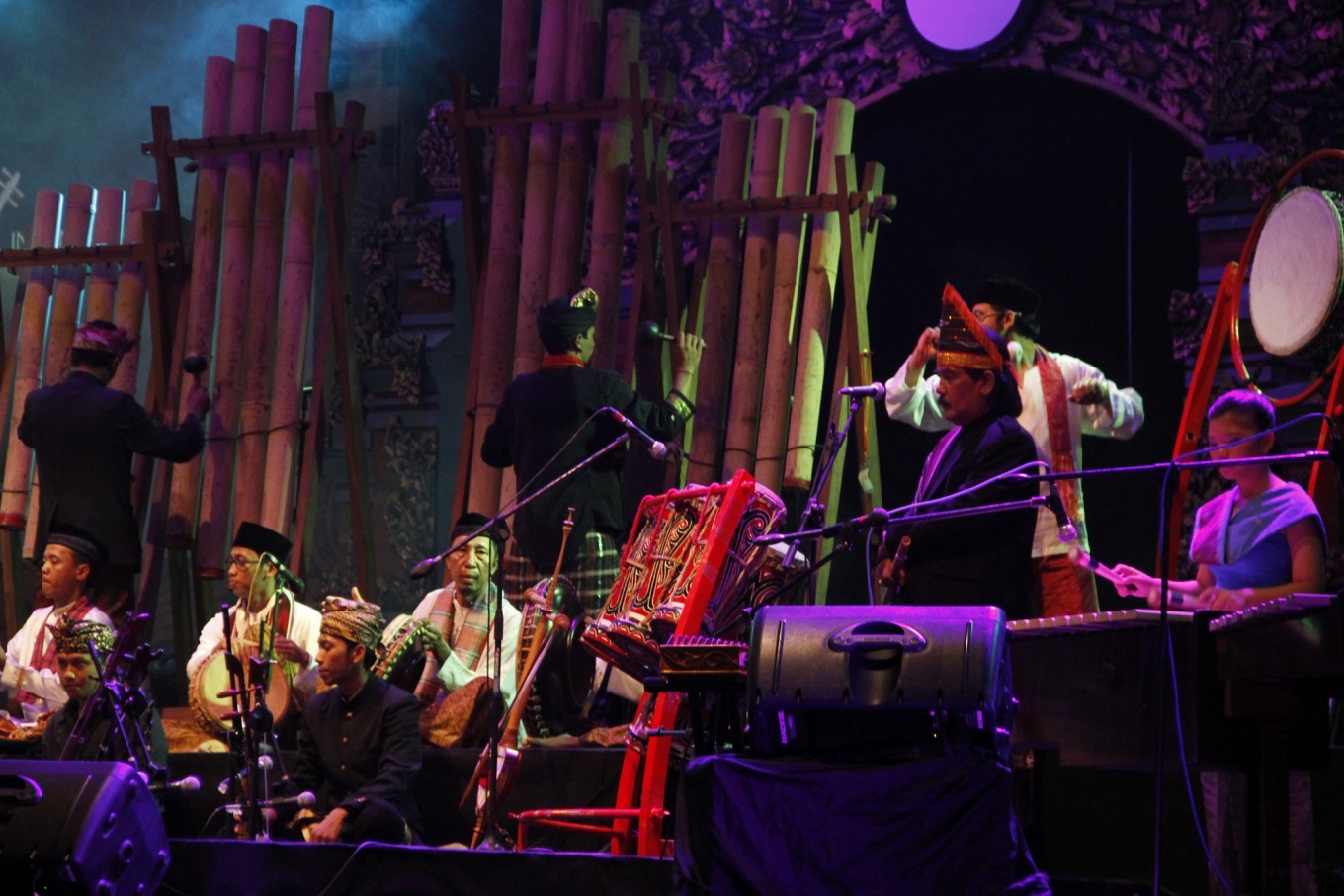
In his TED presentation, Moon stated the reason why he finally felt deserving of the ethnomusicologist title: ”I just want my next generation to know that there is a traditional music of our ancestors that is no less cool than Beyoncé.”
Moon presents his videos in an engrossing manner. In my opinion, the Tumblr-ish feel of his documentation appeals to the tastes of today’s youth, while also demonstrating the cool factor of ancestral and traditional music.