TheJakartaPost
Please Update your browser
Your browser is out of date, and may not be compatible with our website. A list of the most popular web browsers can be found below.
Just click on the icons to get to the download page.


Popular Reads
Top Results
No results found. Please check your search term and try again
Can't find what you're looking for?
View all search results
Popular Reads
Top Results
No results found. Please check your search term and try again
Can't find what you're looking for?
View all search resultsHow the COVID-19 pandemic is shaping religious faith
The anxieties of the pandemic have led many to search for deeper meanings in their lives, guiding them to explore their faith.
Change text size
Gift Premium Articles
to Anyone
Share the best of The Jakarta Post with friends, family, or colleagues. As a subscriber, you can gift 3 to 5 articles each month that anyone can read—no subscription needed!
A
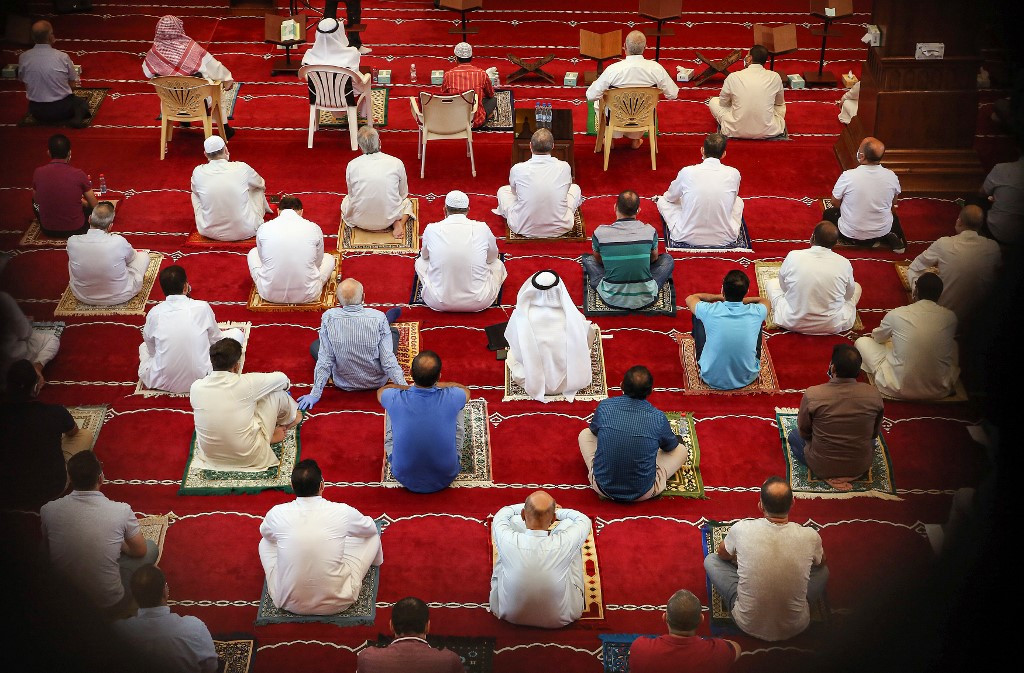
s the number of confirmed coronavirus cases crosses 178 million with close to 4 million deaths worldwide, significant developments are taking place concerning people’s religiosity. COVID-19 has impacted religion and faith in remarkable ways.
The pandemic pangs were accompanied by feelings of helplessness, fear and worry. There has been an evident sense of inadequacy of human race toward the unforeseen and a subdued acknowledgement of the fact that human existence is ephemeral. The pandemic witnessed ever-more pronounced human responses to religion.
Research has shown that religious beliefs are associated with positive health outcomes such as psychological toughness during illness and recovery rates. Religion and faith are often viewed by researchers and clinical practitioners as important to coping with trauma. Studies show that people who deployed positive religious coping methods had better outcomes than those who negated the healing power of faith.
The anxieties of the pandemic have led many to search for deeper meanings in their lives, guiding them to explore their faith. During the pandemic, online searches for the word “prayer” soared to the highest ever level in more than 90 countries. As the virus continues to cause deaths and disrupt lives globally, people are increasingly resorting to religion for solace.
Studies have found a rise in religious observance after people experienced a calamity. A Pew Research Center survey conducted in 14 countries reveals that one-third of United States adults say the coronavirus has bolstered their faith. About 10 percent of British adults reported that their faith became stronger. In Spain and Italy, roughly one-in-six people felt so, in Canada it was 13 percent, while it was 5 percent in Japan.
The variation in responses may reflect differences in the way people generally perceive the role of religion. For instance, religion continues to play a stronger role in American life as compared to Japan and South Korea which generally have low levels of religious observance. The study was conducted in mid-2020, when countries were going through different phases of severity of the pandemic. Attitudes may have continued to metamorphose as the pandemic evolved.
Research evidence highlight that more women than men felt strengthening of their faith during the coronavirus catastrophe. Wealth and education also play a role, with people from low income backgrounds and less education somewhat more likely to say the pandemic has boosted their faith.