The Jakarta Post
Please Update your browser
Your browser is out of date, and may not be compatible with our website. A list of the most popular web browsers can be found below.
Just click on the icons to get to the download page.


Popular Reads
Top Results
No results found. Please check your search term and try again
Can't find what you're looking for?
View all search results
Popular Reads
Top Results
No results found. Please check your search term and try again
Can't find what you're looking for?
View all search resultsInvesting in nature-based solutions to tackle triple plenary crisis
Nature-based solutions not only help to mitigate climate change by expanding natural carbon sinks, they enhance biodiversity, provide food and water, help clean the air and sustain other resources.
Change text size
Gift Premium Articles
to Anyone
Share the best of The Jakarta Post with friends, family, or colleagues. As a subscriber, you can gift 3 to 5 articles each month that anyone can read—no subscription needed!

F
or the past 50 years, April 22 has been observed as Earth Day to promote awareness of the health of our planet. Many experts view the three central challenges of the planetary crisis – mitigating and adapting to climate change, protecting biodiversity, and ensuring human well-being – as the defining issue of the decade.
A major part of the answer to tackle them lies in addressing these interdependent challenges together.
Indeed, the ethos of the Sustainable Development Goals (SDGs) acknowledges the interdependencies of the 17 environmental, economic, and social objectives and implements actions that promote synergies among them.
Despite the importance of considering synergies and trade-offs, according to a recent Economic Research Institute for ASEAN and East Asia (ERIA) study, many of the SDG goals are unlikely to be met by 2030 in several Asian countries. In particular, the failure to stabilize and adapt to climate change (SDG 13), protect biodiversity (SDG 15) and build Partnerships (SDG 17) are deeply interwoven and driven by the same set of economic drivers, but treated separately.
Against this backdrop, the United Nations climate conference in Glasgow (COP26) emphasized nature-based solutions as an integrated plan for people, government, and businesses to work closely alongside nature to avert a planetary catastrophe. While there is emerging consensus around nature-based solutions, the overarching concept encompasses a wide range of approaches and actions that involve the ecosystem, which addresses climate and biodiversity challenges while also benefitting human well-being.
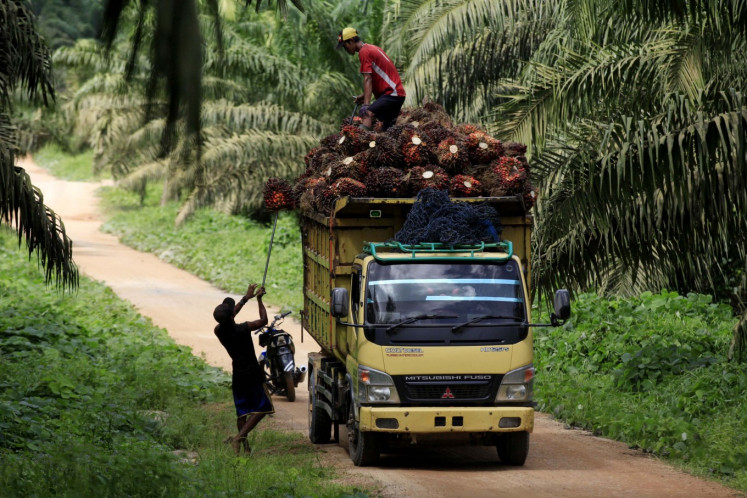
In terms of climate change, it implies working with nature’s capacity to absorb greenhouse gases that cause global warming. This includes sustainable land-use practices and the management of forests that can remove carbon from the atmosphere and store it. It can also entail transformative actions in major sectors such as agriculture, livestock, land, water, and waste management to ensure the protection of the planet.
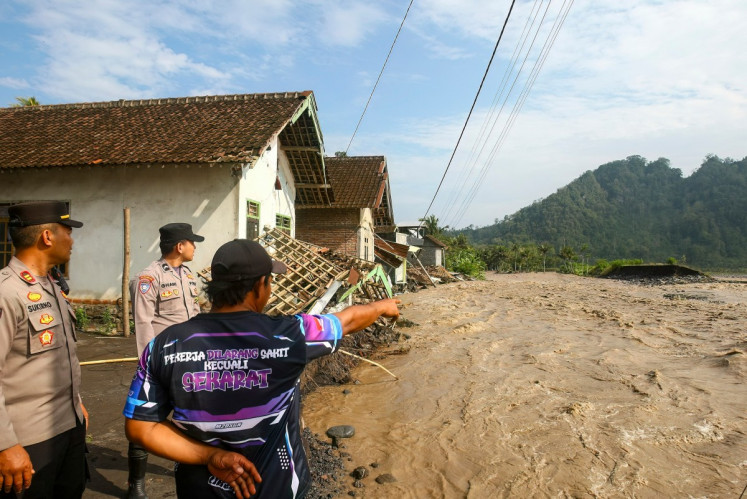
Nature-based solutions not only help to mitigate climate change by expanding natural carbon sinks, they enhance biodiversity, provide food and water, help clean the air and sustain other resources, as well as provide job opportunities, whilst also protecting local communities against natural disasters such as flooding, landslides, and droughts. Some estimates state that nature-based solutions have the potential to supply up to 40 percent of global climate change mitigation needs.