TheJakartaPost
Please Update your browser
Your browser is out of date, and may not be compatible with our website. A list of the most popular web browsers can be found below.
Just click on the icons to get to the download page.


Popular Reads
Top Results
No results found. Please check your search term and try again
Can't find what you're looking for?
View all search results
Popular Reads
Top Results
No results found. Please check your search term and try again
Can't find what you're looking for?
View all search resultsHow non-inclusive public transportation alienates disabled Indonesians
Change text size
Gift Premium Articles
to Anyone
Share the best of The Jakarta Post with friends, family, or colleagues. As a subscriber, you can gift 3 to 5 articles each month that anyone can read—no subscription needed!
N
on-inclusive public transportation excludes disabled Indonesians, forcing them into seclusion from social life and professional opportunities.
Hari Kurniawan, 44, was born with a congenital disability that took away his ability to walk. The Jakarta native is a frequent public transportation user, but his disability makes living in Indonesia a constant challenge. Cak Wawa—as he nicknames himself—often finds ojek (motorcycle taxi) declining to pick him up.
“They don’t give me any clear reason why they don’t want [to take] me as a passenger. Although I told them I could pay, they ping-ponged me around other drivers.”
Cak Wawa added that he had experienced this not only in Jakarta but also in other cities, including Malang and East Java. Suffice it to say getting around has become an impossible task.
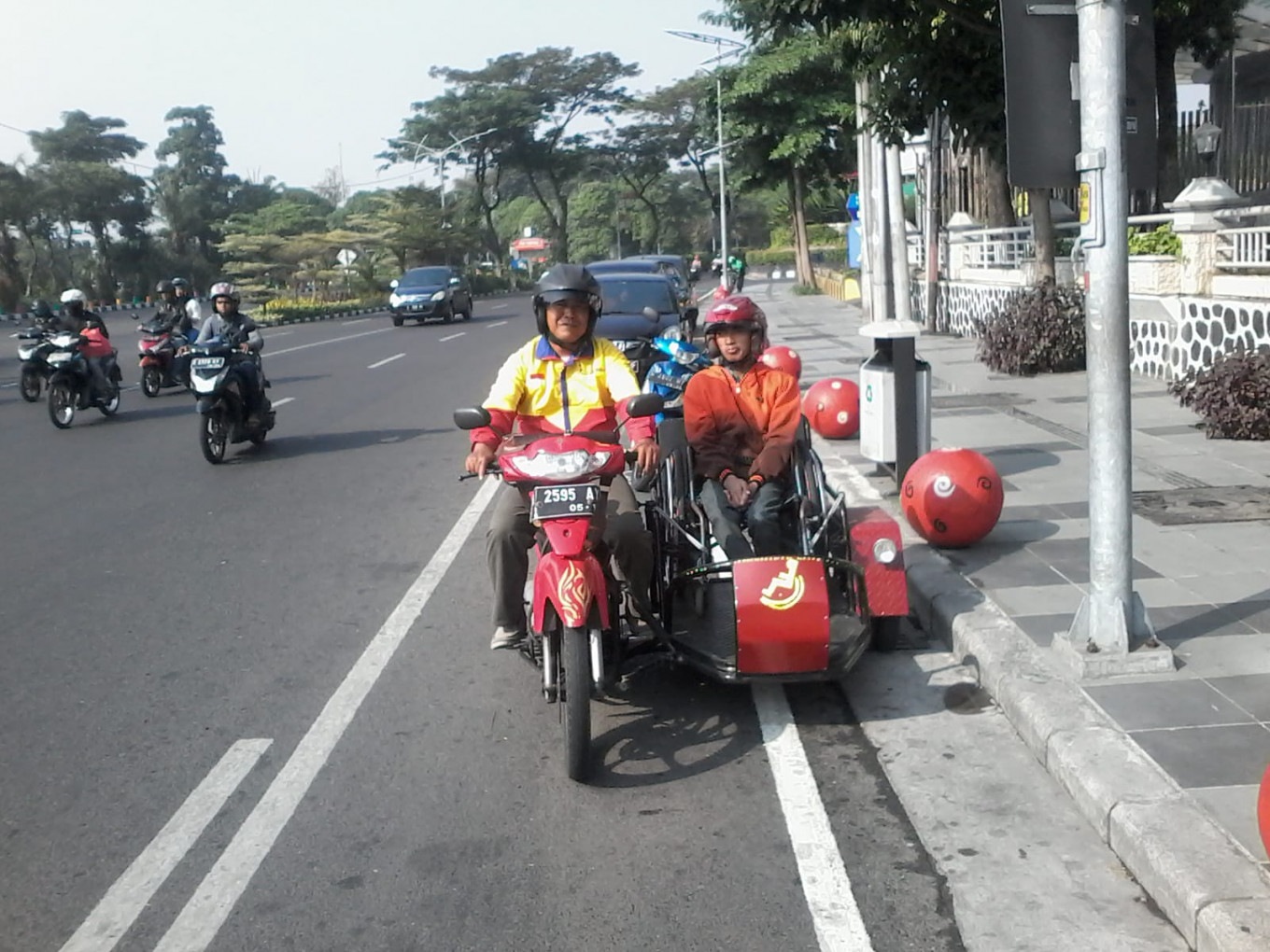
Wheelchair-accessible vehicles (WAV) are still relatively hard to find in Indonesia. Many wheelchair users still have to depend on informal modes of transportation, such as small-sized vehicles that have been modified to accommodate their needs. Individuals primarily own and operate these altered taxis, sometimes leased.
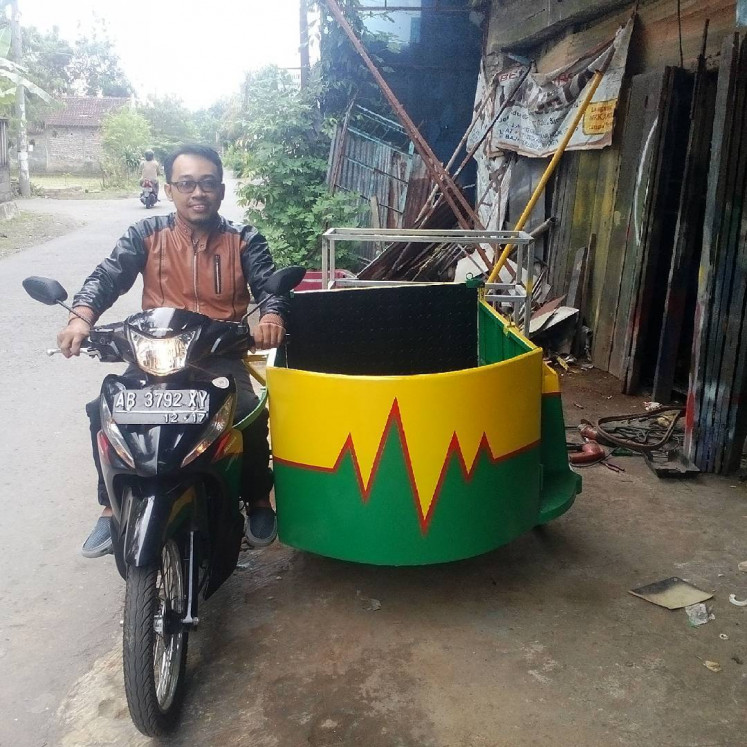
Triyono, the founder of Difa Bike, a motorcycle taxi service based in Yogyakarta for the disabled, states that despite their ojek having been modified into a wheelchair-friendly three-wheeled vehicle, they are unable to fill the demand in certain areas.