TheJakartaPost
Please Update your browser
Your browser is out of date, and may not be compatible with our website. A list of the most popular web browsers can be found below.
Just click on the icons to get to the download page.


Popular Reads
Top Results
No results found. Please check your search term and try again
Can't find what you're looking for?
View all search results
Popular Reads
Top Results
No results found. Please check your search term and try again
Can't find what you're looking for?
View all search resultsWe should not fail our SDG promises
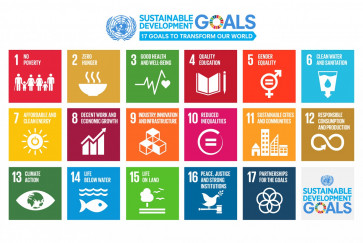
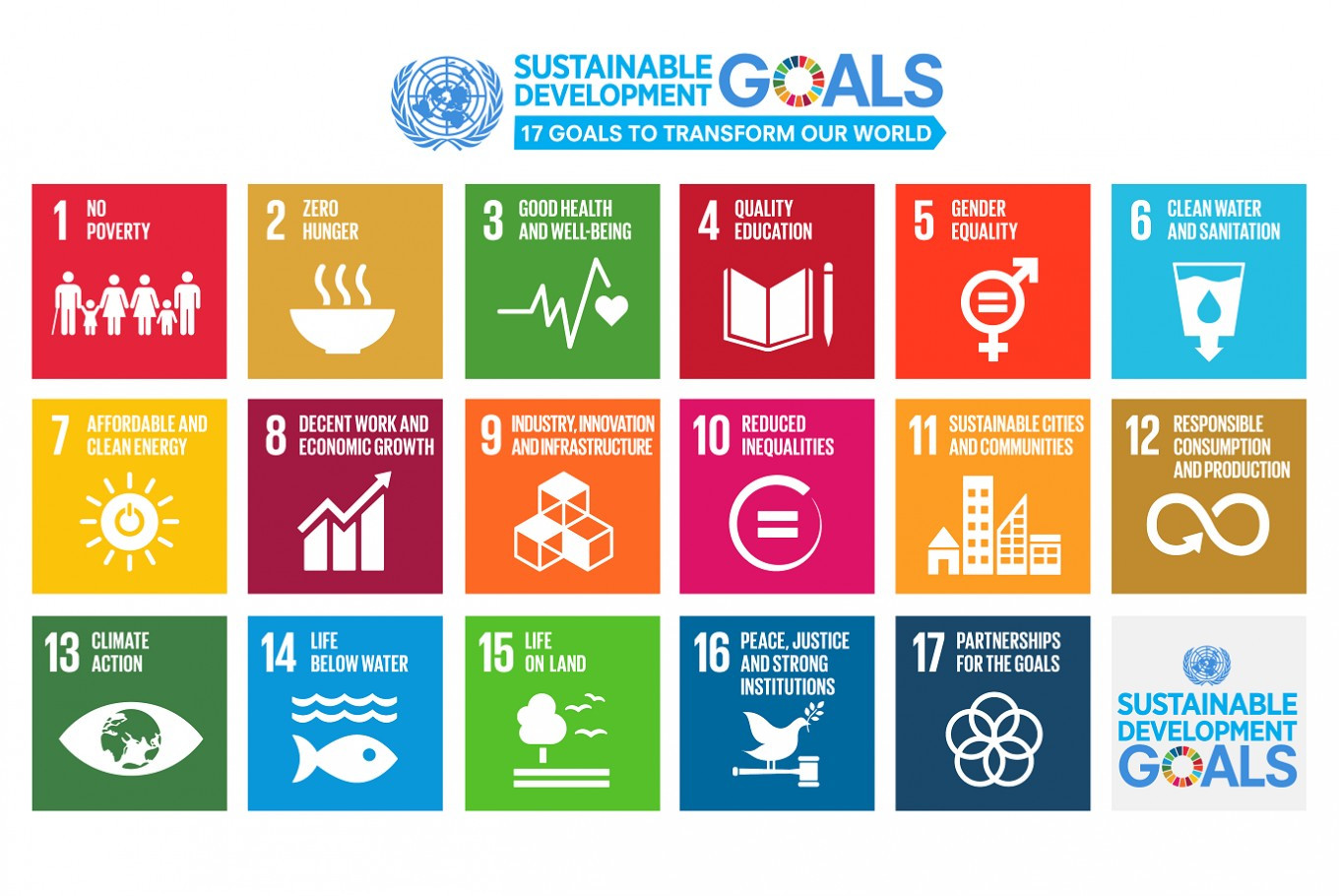
Honesty and prioritization are the keys to carving out some success with the SDGs, lest we risk failing in all 17 goals.
Change text size
Gift Premium Articles
to Anyone
Share the best of The Jakarta Post with friends, family, or colleagues. As a subscriber, you can gift 3 to 5 articles each month that anyone can read—no subscription needed!
I
n the year 2000, something remarkable happened. The world came together and committed to a short list of ambitious targets that became known as the Millennium Development Goals (MDGs). The objectives, which included to reduce poverty, fight disease and keep kids in school, essentially boiled down to eight specific, verifiable goals subject to a hard deadline of 2015.
Over that decade and a half, governments, international institutions and private foundations poured in billions of dollars, more than they had before, specifically to achieve 21 targets within the eight goals. Global development aid alone almost doubled in real terms. Global funding for child health increased eightfold from less than US$1 billion annually in the 1990s to $8 billion in 2015.
While we didn’t reach all of the targets, this huge investment unsurprisingly turbocharged our progress.
More children were kept in school and gender equality improved. Low-income countries across the world saw death rates drop much faster than before. In 1990, nearly one child in 10 died before reaching 5 years old. Child deaths had dropped by more than half by 2015. That adds up to almost 19 million children surviving their fifth birthday that would otherwise have died.
There was a dramatic reduction in hunger: It went from afflicting 16 percent of the world population in 1990 to around 8 percent in 2015. That meant 300 million people avoided the lifelong effects of hunger and malnutrition. And the fight against poverty was also accelerated, cutting the total number of poor by an astounding 1.2 billion people.
For the poor and vulnerable, the world simply became a much better place, thanks to the MDGs. While some targets like clean drinking water and sanitation didn’t accelerate, all saw dramatic improvements, making life less hard, with less hunger, poverty and dirty water, with more schooling and less death from tuberculosis, malaria and HIV, with fewer mothers and children dying.
But in 2015, when the world replaced the MDGs, things went wrong. World leaders could again have chosen to focus on a few, crucial targets. They could even have kept the same targets, since they are so important to the world’s most vulnerable people. We could have focused on pinpointing where the needs are deepest and the opportunities are greatest.